BESS Fire Suppression & Fire Protection Systems in India | Oustfire
BESS FIRE SAFETY & FIRE PROTECTION

BESS Fire Suppression & Fire Protection Systems in India

Integrated fire safety solutions for Battery Energy Storage Systems, covering early thermal runaway detection, off-gas detection, fire detection, suppression, container protection, site-level fire protection, testing, commissioning and lifecycle support.

Early Warning & Detection Thermal Runaway Protection Container Fire Protection Automatic Fire Suppression Fire Alarm Integration Testing & Commissioning
BESS FIRE SAFETY

Integrated Fire Protection for Battery Energy Storage Systems

Battery Energy Storage Systems (BESS) are becoming an important part of modern power infrastructure, supporting renewable energy, grid balancing, peak demand management and industrial energy storage.

At the same time, lithium-ion battery systems require a carefully engineered approach to fire safety. A BESS fire-protection strategy cannot rely on a single extinguisher or suppression technology. Detection, alarm, battery management, ventilation, emergency shutdown, suppression, cooling, site fire protection and emergency response need to work together.

Oustfire provides integrated BESS fire safety and fire protection solutions for containerised, cabinet-based and battery-room energy storage applications.

Our BESS Approach

  • Understand the battery and system architecture
  • Identify thermal runaway and fire hazards
  • Design appropriate detection layers
  • Select suppression and cooling strategy
  • Integrate fire alarm and safety interfaces
  • Address container and site-level fire protection
  • Test, commission and maintain the system
UNDERSTANDING THE RISK

Why BESS Fire Protection Requires a Layered Approach

Battery energy storage systems can contain a large number of interconnected cells, modules and racks within a relatively compact installation. A failure at the cell level can develop into thermal runaway and, depending on the system design and conditions, can result in fire, smoke, hazardous gases or propagation to adjacent components.

01

Early Abnormal Condition

Temperature, voltage, gas and other monitored parameters can provide important indications of abnormal battery behaviour.

02

Thermal Runaway

A battery cell may enter an uncontrolled thermal reaction. Early detection is important for initiating the appropriate safety response.

03

Gas & Smoke Generation

Battery incidents may involve off-gases, smoke and heat. Detection technologies should therefore be selected according to the battery system and hazard assessment.

04

Fire & Propagation Risk

A fire-protection strategy should consider cell, module, rack, enclosure and site-level risks rather than treating the battery system as a conventional electrical room.

OUSTFIRE ENGINEERING APPROACH

A Layered BESS Fire Safety Architecture

Effective BESS fire safety starts with early detection and continues through equipment-level protection, container protection, site fire protection and lifecycle management.

01

Prevention & Early Warning

The first layer focuses on identifying abnormal conditions before they develop into a major fire event.

  • Battery Management System signals
  • Temperature monitoring
  • Smoke detection
  • Off-gas and gas detection
  • Early abnormal-condition alarms
  • Emergency shutdown interfaces
02

Cell, Module & Rack Protection

Protection at the battery equipment level helps identify and respond to abnormal conditions within modules and racks.

  • Cell and module monitoring
  • Rack-level detection
  • Temperature monitoring
  • Localised detection
  • Propagation mitigation strategy
  • Interface with BMS and safety controls
03

Container & Enclosure Protection

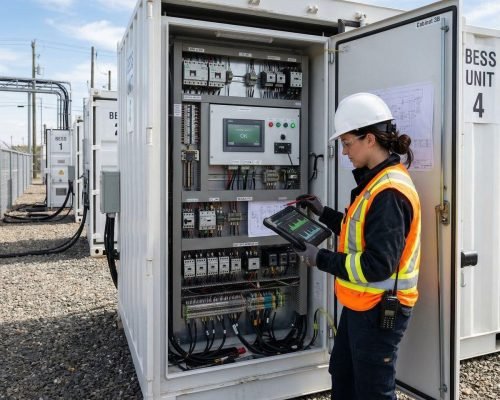
Containerised BESS installations require coordinated detection, alarm, suppression, ventilation and emergency response arrangements.

  • Smoke, heat and flame detection
  • Gas and off-gas detection
  • Automatic suppression systems
  • Alarm and control interfaces
  • Emergency shutdown
  • Ventilation and pressure-management considerations
  • Deflagration and explosion-risk considerations
04

Site-Level Fire Protection

Utility-scale and large commercial BESS projects may require protection beyond the individual battery enclosure.

  • Fire hydrant systems
  • Fire water storage
  • Fire pumps
  • Water spray or deluge systems where applicable
  • Fire alarm systems
  • Fire access and emergency response provisions
  • Control room and auxiliary-area protection
05

Testing, Commissioning & Lifecycle Safety

Fire protection does not end after installation. Periodic inspection, testing, maintenance and emergency preparedness are important parts of the BESS safety lifecycle.

  • Design review
  • Installation inspection
  • Testing and commissioning
  • Integrated system testing
  • Fire safety audit support
  • Preventive maintenance
  • Training and emergency response
  • AMC and lifecycle support
BESS SOLUTIONS

BESS Fire Protection & Detection Solutions

The right technology depends on the battery chemistry, system architecture, enclosure, project conditions, applicable requirements and hazard assessment.

Thermal Runaway Detection

Early detection technologies designed to identify abnormal battery conditions and provide an opportunity for rapid safety response.

Off-Gas Detection

Detection of battery gases or VOC-related indicators can provide an additional early-warning layer where appropriate.

Smoke & Heat Detection

Detection systems selected according to the enclosure, environment and expected fire-development characteristics.

Fire Suppression

Suppression technologies may include water-based systems, water mist, clean agents, aerosols or other engineered approaches depending on the application.

Container Fire Protection

Integrated protection for containerised BESS including detection, suppression, alarms, controls and safety interfaces.

Fire Alarm Integration

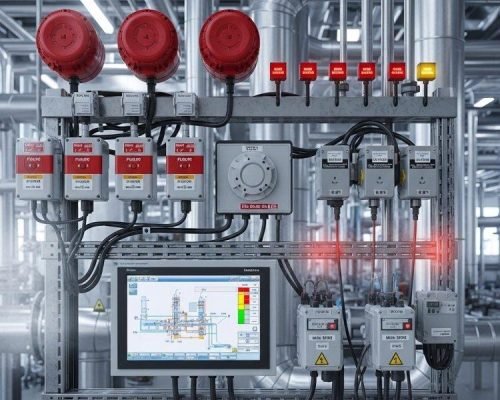
Integration between detection, suppression, BMS, EMS, emergency shutdown and site fire alarm systems.

Hydrant & Water-Based Protection

Site-level fire water infrastructure including hydrants, pumps, storage and engineered water-based protection where required.

BESS AMC & Maintenance

Periodic inspection, testing, maintenance and lifecycle support for BESS fire protection systems.

APPLICATIONS

Fire Protection for Different BESS Applications

Utility-Scale BESS

Fire detection and protection strategies for large grid-connected energy storage installations.

Solar + BESS Projects

Integrated fire safety for renewable-energy projects combining solar generation and battery storage.

Commercial & Industrial BESS

Protection strategies for commercial and industrial energy storage installations.

Containerised BESS

Detection, suppression and safety integration for containerised battery energy storage systems.

Battery Rooms

Fire detection and protection solutions for indoor battery energy storage environments.

Microgrid & Backup Energy Storage

Fire protection for distributed energy storage and critical-power applications.

OUR PROCESS

From BESS Risk Assessment to Commissioning

01

Understand

Review battery chemistry, capacity, layout, container configuration, OEM information and project requirements.

02

Assess

Identify fire, thermal runaway, smoke, gas and propagation hazards relevant to the installation.

03

Engineer

Develop the detection, alarm, suppression and site-level fire-protection strategy.

04

Install

Execute installation, integration and system interfaces according to approved engineering documentation.

05

Test

Carry out inspection, testing and commissioning of the fire-protection and detection systems.

06

Maintain

Support the system through periodic inspection, maintenance, training and lifecycle service.

STANDARDS & REQUIREMENTS

Designed Around the Project's Applicable Requirements

BESS fire safety requirements can involve Indian regulations, project specifications, battery OEM requirements, electrical and fire-safety requirements, insurance requirements and internationally recognised standards and test methods.

Depending on the project, relevant references may include requirements associated with CEA, NFPA, UL, IEC and applicable local fire-safety authorities.

Standards and certification claims should always be verified against the specific product, system configuration, edition and project requirement.

Commonly Referenced BESS Standards & Documents

  • CEA requirements applicable to BESS and electrical safety
  • NFPA 855
  • UL 9540
  • UL 9540A
  • Applicable IEC battery and energy-storage standards
  • Battery OEM safety documentation
  • Project-specific fire and electrical requirements
Discuss Your Project Requirements →
INDIA BESS FIRE SAFETY

BESS Fire Safety Requirements in India

India's energy-storage sector is developing rapidly, and BESS projects need to consider applicable electrical, fire-safety, environmental, project and authority requirements.

The Central Electricity Authority (CEA) has published regulations and BESS-related safety material that project developers, EPC companies, consultants and safety teams should review when planning energy-storage installations.

For Project Developers

Establish the fire-safety philosophy early during project planning so that detection, suppression, access, emergency response and site infrastructure can be coordinated.

For EPC Companies

Fire protection should be coordinated with battery containers, electrical systems, BMS/EMS, site utilities and the overall project design.

For Consultants

Technical documentation should clearly define the hazard, detection philosophy, suppression strategy, interfaces, testing requirements and applicable standards.

For EHS & Fire Teams

Emergency procedures, inspection, testing, training and periodic fire-safety review should be incorporated into the operational lifecycle.

WHY OUSTFIRE

One Fire Safety Partner Across the BESS Lifecycle

Integrated Approach

Detection, suppression, alarm, water-based protection and safety interfaces can be considered as part of one coordinated fire-protection strategy.

Engineering-Focused

Solutions should be selected according to battery architecture, project conditions, applicable requirements and the identified hazard.

Project Support

Support can extend from initial technical discussion and design coordination through installation, testing and commissioning.

Lifecycle Support

Inspection, maintenance, training and periodic testing help maintain fire-protection readiness after commissioning.

FAQ

Frequently Asked Questions About BESS Fire Safety

What is a BESS fire suppression system?

A BESS fire suppression system is part of an integrated fire safety strategy designed for battery energy storage systems. Depending on the application, it may include fire detection, gas or off-gas detection, alarms, automatic suppression, cooling, emergency shutdown and site-level fire protection.

What causes thermal runaway in a lithium-ion battery?

Thermal runaway can occur when a battery cell experiences an uncontrolled increase in temperature and associated internal reactions. The initiating cause can vary and may involve electrical, mechanical, thermal, manufacturing or operational factors.

Can thermal runaway be detected before a fire?

Some BESS detection technologies are designed to identify abnormal conditions or gases that may occur before visible flames develop. The appropriate detection approach depends on the battery technology, enclosure, system design and hazard assessment.

Is water suitable for BESS fire protection?

Water-based protection can play an important role in certain BESS fire-safety strategies, particularly where cooling and propagation control are required. The appropriate system depends on the project design, battery system, applicable requirements and engineering assessment.

What is off-gas detection in BESS?

Off-gas detection refers to detecting gases released from batteries during abnormal conditions. Depending on the technology and application, gas detection can provide an additional early-warning layer before a developing battery event becomes a larger fire incident.

What is UL 9540A?

UL 9540A is a test method used to evaluate the thermal runaway fire propagation characteristics of battery energy storage systems. Its role and test results should be considered together with the complete project design and applicable requirements.

What is NFPA 855?

NFPA 855 is a standard addressing the installation of stationary energy storage systems. Project teams should determine which requirements apply to their specific installation and jurisdiction.

Does every BESS require the same fire suppression system?

No. The fire-protection strategy should be selected based on factors such as battery chemistry, system architecture, enclosure, capacity, installation environment, project requirements, hazard assessment and applicable standards.

Can Oustfire support BESS fire protection design?

Oustfire can discuss BESS fire detection, suppression and site-level fire-protection requirements and help develop an appropriate project-specific solution based on the available technical information.

BESS PROJECT ENQUIRY

Planning a Battery Energy Storage Project?

Share your BESS project details with our team. We can review the available information and discuss the fire detection, suppression, container protection and site-level fire-safety requirements.

Project Location MW / MWh Capacity Battery Chemistry Container / Rack Details Project Layout Technical Specification

Technical note: BESS fire protection requirements vary by project. Final system selection should be based on the battery system, OEM documentation, project design, applicable Indian regulations, relevant standards, authority requirements and a project-specific hazard assessment. Product certifications and test reports should be verified for the exact product and configuration being proposed.
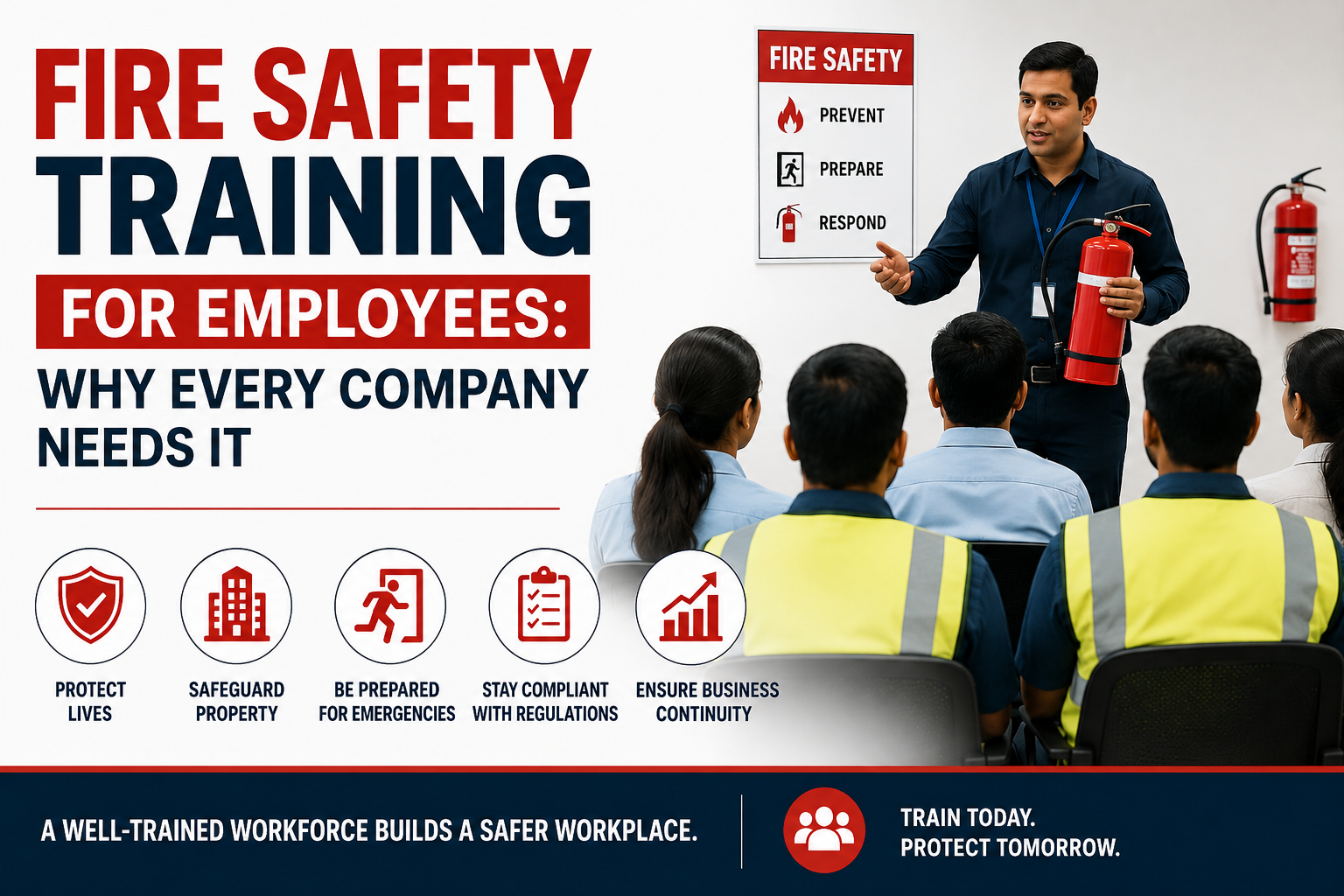
Fire Safety Training for Employees: Why Every Company Needs It

Fire safety for employees is an essential responsibility for every organization, regardless of its size or industry. Offices, factories, warehouses, hospitals, and commercial establishments all face fire-related risks that can endanger lives, disrupt operations, and cause significant property damage. A minor fire incident can quickly escalate into a major emergency if employees are not equipped with the right knowledge and response skills.

This comprehensive guide explores the importance of employee fire safety, the legal requirements surrounding workplace fire protection, and the key steps organizations can take to implement effective fire safety training programs. By promoting awareness and preparedness, businesses can create a safer work environment while ensuring compliance with fire safety regulations.

What Is Fire Safety for Employees?

Fire safety for employees encompasses the policies, training programs, safety measures, and emergency procedures implemented to protect workers from fire-related risks in the workplace. It involves identifying potential fire hazards, promoting fire prevention practices, establishing evacuation procedures, and ensuring employees are trained to use fire safety equipment such as fire extinguishers, alarm systems, and emergency exits effectively.

The primary goal of employee fire safety is to create a safe working environment by preventing fire incidents, ensuring a swift and organized response during emergencies, facilitating safe evacuation, and reducing the risk of injuries, fatalities, business disruption, and property loss. A well-trained workforce plays a critical role in minimizing the impact of fire emergencies and enhancing overall workplace safety.

Why Fire Safety for Employees Is Important

Effective fire safety training empowers employees to respond confidently during emergencies and significantly reduces the risk of injuries and property damage. Here’s why every workplace should prioritize fire safety for employees:

1. Increases Awareness and Preparedness

Understanding the causes of workplace fires is the first step toward prevention. Through fire safety training, employees learn:

  • Common workplace fire hazards
  • Fire prevention techniques
  • Emergency evacuation procedures
  • Safe use of fire extinguishers

As a result, employees can make informed decisions and avoid panic when an emergency occurs.

2. Improves Employee Safety During Fire Emergencies

Fire safety training equips employees with the skills and confidence needed to respond appropriately during fire emergencies.

  • How to move safely in smoke-filled areas
  • How to identify safe exit routes
  • When and how to use firefighting equipment

As a result, employees are better equipped to stay safe and avoid serious injuries during a fire incident.

3. Minimizes Property Damage and Business Downtime

A quick and informed response from trained employees can stop a minor fire from escalating into a serious workplace incident. Early intervention helps:

  • Control fire spread
  • Protect workplace assets
  • Reduce operational downtime and financial loss

Fire Safety Responsibilities of Employees

Every employee contributes to creating a safer workplace by actively supporting fire safety practices. Their responsibilities include:

  • Reporting fire hazards immediately
  • Keeping exits and staircases clear
  • Knowing evacuation routes and assembly points
  • Following fire warden instructions
  • Using fire extinguishers only when trained

Fire Safety Compliance for Employees

In India, workplace fire safety requirements are governed by the National Building Code (NBC), state fire regulations, and directives issued by local fire authorities. Employers are legally responsible for:

  • Providing fire safety training
  • Conducting fire drills
  • Maintaining evacuation systems

Benefits of Fire Safety for Employees

  • Creates a safer work environment
  • Reduces workplace accidents and injuries
  • Ensures legal and regulatory compliance
  • Protects business assets and operations
  • Builds a proactive safety culture

How Long Fire Safety Training Is Valid For

While fire safety training does not have a universally fixed validity period, organizations should conduct refresher training at regular intervals to ensure employees remain aware of current fire safety procedures and emergency response protocols. High-risk workplaces, such as manufacturing facilities, warehouses, and areas handling hazardous materials, may require more frequent training. Fire Wardens and Fire Marshals should also receive updated training whenever there are changes to building layouts, evacuation plans, fire protection systems, or staff responsibilities.

Conclusion

Fire safety is not just a regulatory requirement—it is an essential investment in employee well-being and workplace protection. A knowledgeable and well-trained workforce can help prevent fire incidents, ensure a swift and organized response during emergencies, and minimize the impact of fire-related risks. By prioritizing fire safety training, implementing effective emergency procedures, and maintaining compliance with fire safety regulations, organizations can build a safer, more secure, and resilient workplace for everyone.

EV Charging Station Fire Safety

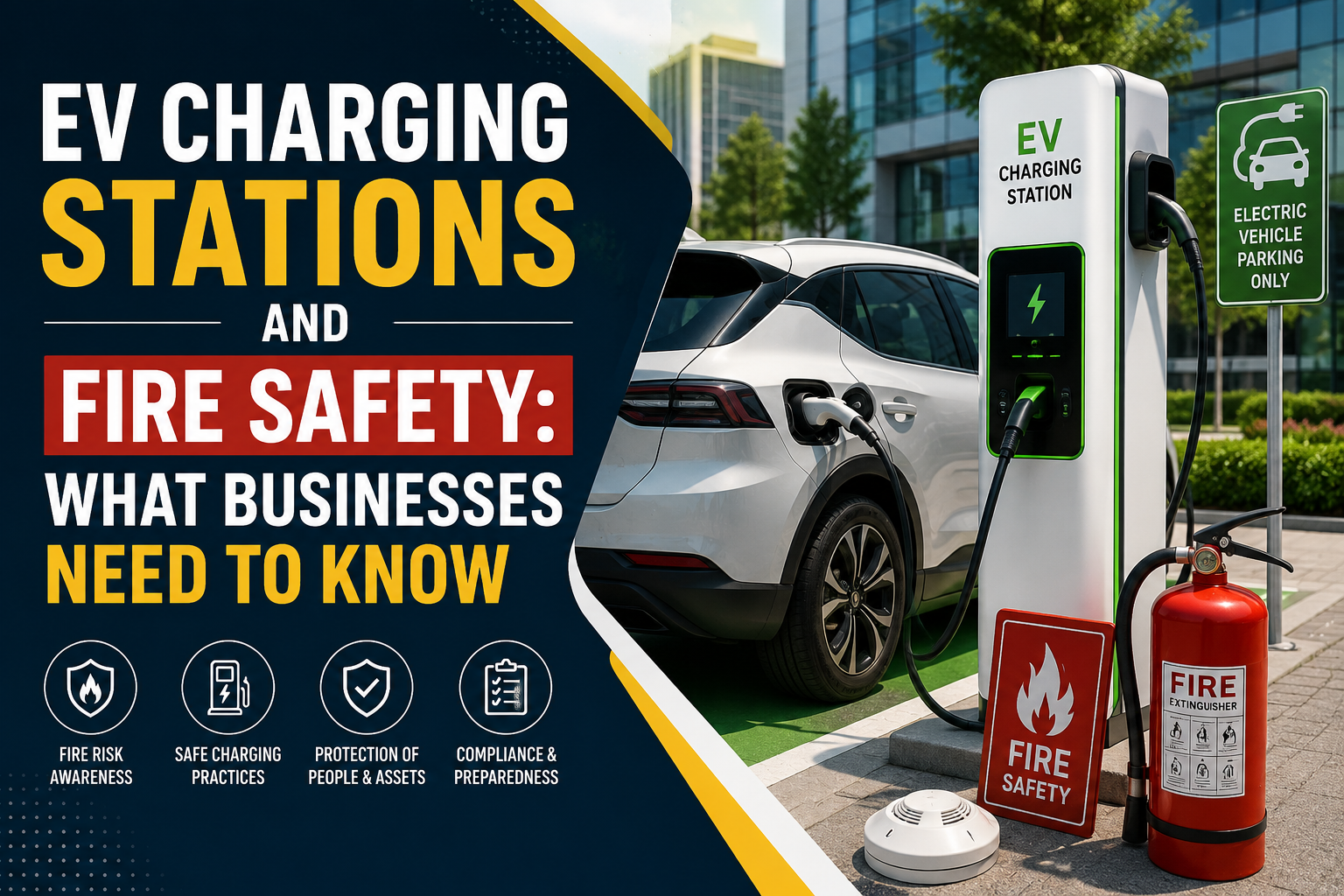
EV Charging Stations and Fire Safety: What Businesses Need to Know

The rapid adoption of electric vehicles (EVs) is transforming the way businesses operate. From office complexes and shopping malls to manufacturing facilities and commercial parking lots, EV charging stations are becoming a standard amenity. However, as organizations invest in charging infrastructure, understanding EV Charging Station Fire Safety becomes critical. Effective EV Charging Station Fire Safety measures help protect employees, customers, assets, and business operations from potential fire hazards. With the growing number of electric vehicles on the road, EV Charging Station Fire Safety should be a top priority for every business planning to install or expand charging facilities.

Why Fire Safety Matters in EV Charging Stations

Electric vehicles rely on high-capacity lithium-ion batteries that store significant amounts of energy. While EVs are generally safe, improper installation, equipment failure, damaged batteries, or electrical faults can increase fire risks. Businesses that provide charging facilities must ensure that their systems comply with safety standards and are designed to minimize potential hazards.

Fire incidents involving EVs are relatively rare, but when they occur, they can be challenging to control due to the nature of battery technology. Understanding these risks is the first step toward creating a safer charging environment.

Understanding Lithium-Ion Battery Fire Risks

One of the primary concerns associated with EV charging infrastructure is Lithium-Ion Battery Fire Risks. These batteries can experience a phenomenon known as thermal runaway, where excessive heat causes a chain reaction within battery cells. This can result in intense fires, smoke generation, and the release of hazardous gases.

Although battery manufacturers continue to improve safety features, businesses should remain vigilant by implementing preventive measures and emergency response plans.

Key Fire Hazards Associated with EV Charging Stations

1. Electrical System Failures

Faulty wiring, overloaded circuits, and poor-quality components can lead to overheating and electrical fires. Regular inspections and maintenance help identify issues before they become serious hazards.

2. Improper Installation

Charging stations should always be installed by qualified professionals who follow national and local electrical codes. Incorrect installation can compromise both operational performance and fire safety.

3. Physical Damage to Equipment

Vehicle collisions, vandalism, or environmental exposure can damage charging equipment. Damaged chargers may create electrical faults that increase fire risks.

4. Battery Damage

Accidents, manufacturing defects, or improper handling can damage EV batteries, potentially leading to dangerous situations during charging.

Best Practices for Commercial EV Charging Station Safety

Implementing strong Commercial EV Charging Station Safety practices helps businesses reduce risks and improve operational reliability. Key measures include:

  • Conducting professional site assessments before installation.
  • Using certified charging equipment from reputable manufacturers.
  • Ensuring proper electrical load calculations.
  • Providing adequate ventilation where required.
  • Installing protective barriers around charging units.
  • Scheduling regular inspections and preventive maintenance.
  • Training staff on emergency response procedures.

These steps significantly reduce the likelihood of fire incidents and improve overall facility safety.

The Importance of EV Battery Fire Prevention

Proactive EV Battery Fire Prevention begins with proper charging practices. Businesses should encourage users to follow manufacturer guidelines and avoid using damaged charging cables or equipment.

Additional preventive measures include:

  • Monitoring charging sessions through smart charging systems.
  • Installing thermal monitoring devices where appropriate.
  • Maintaining clear access for emergency responders.
  • Establishing procedures for handling damaged or malfunctioning vehicles.

Prevention remains the most effective strategy for minimizing fire-related risks.

Promoting Electric Vehicle Charging Safety

As EV adoption continues to grow, businesses must prioritize Electric Vehicle Charging Safety by creating a safe and well-managed charging environment. Clear signage, user education, routine inspections, and compliance with safety standards all contribute to safer operations.

Organizations that take a proactive approach not only reduce fire risks but also build confidence among employees, customers, and visitors who rely on charging facilities.

Strengthening EV Charging Infrastructure Fire Protection

Modern EV Charging Infrastructure Fire Protection strategies involve more than simply installing charging stations. Businesses should integrate fire detection systems, emergency shutdown mechanisms, fire-resistant construction materials, and clearly defined emergency response plans into their charging infrastructure.

Collaboration between facility managers, electrical engineers, fire safety professionals, and local authorities can further enhance protection and ensure regulatory compliance.

Building a Safer Future for EV Charging

The expansion of electric mobility presents tremendous opportunities for businesses, but it also introduces new safety responsibilities. Investing in proper design, installation, maintenance, and emergency preparedness is essential for reducing fire risks and protecting valuable assets. Strong EV Charging Station Fire Safety practices not only safeguard people and property but also support long-term business resilience. As the demand for EV charging continues to rise, organizations that prioritize EV Charging Station Fire Safety today will be better prepared for the transportation landscape of tomorrow.

Conclusion

Electric vehicles are shaping the future of transportation, and businesses that embrace this transition must also embrace safety. By understanding fire risks, implementing preventive measures, and maintaining robust protection systems, organizations can create charging environments that are both efficient and secure. The road to a sustainable future starts with smart decisions—and when it comes to EV charging stations, safety should always be the firstcharge.

Fire Safety Training

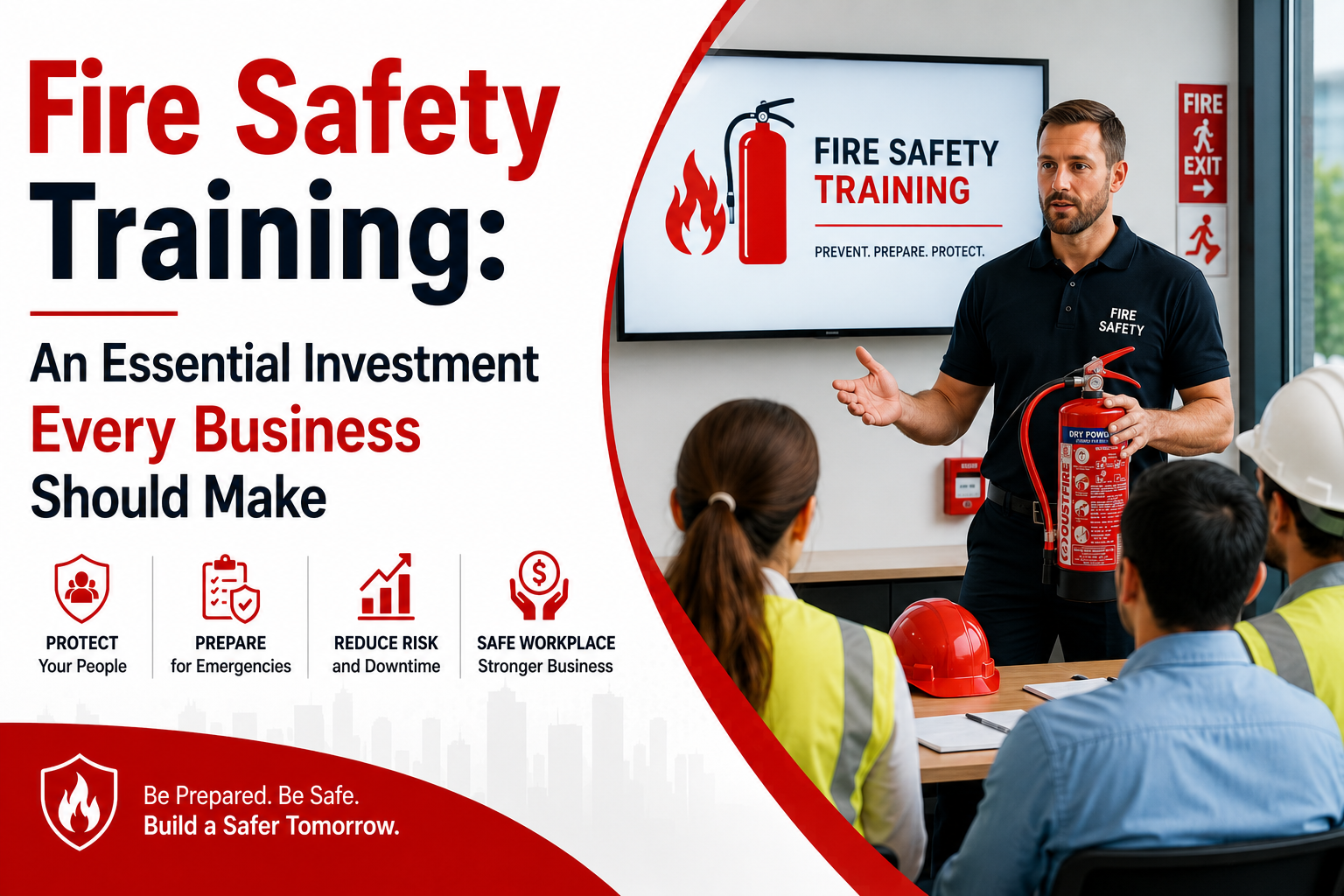
Fire Safety Training: An Essential Investment Every Business Should Make

In today’s fast-paced business environment, ensuring the safety of employees, customers, and assets is more important than ever. While companies invest heavily in technology, infrastructure, and workforce development, one critical area is often overlooked—fire safety training. Effective fire safety training equips employees with the knowledge and confidence to respond appropriately during emergencies, reducing the risk of injuries, property damage, and business disruptions. More importantly, fire safety training is not just a compliance requirement; it is a strategic investment that protects lives and strengthens organizational resilience.

Why Fire Safety Training Matters

Fire incidents can occur unexpectedly and escalate within minutes. Whether caused by electrical faults, human error, or equipment malfunction, a fire emergency can have devastating consequences. Businesses that prioritize safety education create a workforce capable of identifying hazards, responding quickly, and minimizing risks.

A well-trained team understands evacuation procedures, emergency communication protocols, and the correct use of firefighting equipment. This preparedness can make a significant difference during a crisis and help prevent minor incidents from becoming major disasters.

Creating a Safer Workplace

A safe workplace starts with awareness. Through Workplace Fire Safety Training, employees learn how to recognize potential fire hazards and take preventive measures before an emergency occurs. From identifying overloaded electrical circuits to ensuring clear evacuation routes, proactive awareness significantly reduces the likelihood of fire-related incidents.

When employees understand their role in maintaining safety standards, they contribute to a stronger culture of responsibility and preparedness across the organization.

The Role of Prevention in Fire Safety

Preventing a fire is always better than responding to one. Comprehensive fire prevention training helps employees understand common causes of workplace fires and the steps needed to eliminate risks. Regular inspections, proper storage of combustible materials, and adherence to safety protocols can prevent many fire incidents before they start.

By focusing on prevention, businesses can reduce operational risks and avoid costly interruptions.

Building Employee Confidence During Emergencies

During a fire emergency, panic can spread quickly. This is where employee fire safety awareness becomes invaluable. Employees who understand emergency procedures are more likely to remain calm and make informed decisions under pressure.

Awareness programs also help employees understand the importance of reporting hazards, participating in drills, and following safety guidelines. The result is a more confident and prepared workforce capable of responding effectively during critical situations.

Strengthening Emergency Response Capabilities

An emergency response plan is only effective when employees know how to execute it. Fire emergency response training provides practical knowledge on evacuation procedures, emergency communication, assembly points, and the safe use of firefighting equipment.

Regular drills and hands-on training sessions ensure that employees can react quickly and efficiently, minimizing confusion and improving overall emergency preparedness.

Enhancing Compliance and Business Reputation

Organizations are increasingly expected to meet safety standards and regulatory requirements. Investing in corporate fire safety training demonstrates a company’s commitment to employee well-being and legal compliance.

Beyond meeting regulations, a strong safety culture enhances a company’s reputation among clients, stakeholders, and employees. Businesses known for prioritizing safety often enjoy greater trust and credibility in the marketplace.

Long-Term Benefits for Businesses

The benefits of safety education extend far beyond compliance. Companies that invest in employee preparedness experience reduced accident rates, lower insurance costs, improved productivity, and stronger employee morale. A safe work environment also helps attract and retain talented professionals who value organizations that prioritize their well-being.

Most importantly, ongoing fire safety training ensures that employees remain prepared for evolving workplace risks and emergency scenarios.

Conclusion: A Smart Investment for Every Business

Fire safety is not an expense—it is an investment in people, property, and business continuity. Organizations that prioritize training create safer workplaces, improve emergency preparedness, and reduce the impact of potential fire incidents. By empowering employees with the right knowledge and skills, businesses can protect what matters most while fostering a culture of safety and responsibility.

Every organization, regardless of its size or industry, should view fire safety training as an essential part of its long-term success. The cost of preparation is always lower than the cost of recovery.

factory fire safety

Case Study: How Poor Housekeeping Led to a Major Factory Fire

Industrial facilities are designed to handle complex operations, heavy machinery, and large volumes of raw materials. However, one overlooked aspect can turn an otherwise safe workplace into a disaster zone—housekeeping. This case study highlights how a seemingly minor issue escalated into a devastating fire incident and why Factory Fire Safety should never be taken lightly. Effective Factory Fire Safety measures go beyond installing extinguishers and alarms; they begin with maintaining a clean and organized work environment. As businesses continue to expand operations, prioritizing Factory Fire Safety has become essential for protecting employees, assets, and business continuity.

When Clutter Becomes a Catastrophe

In many manufacturing facilities, waste materials such as cardboard boxes, packaging scraps, oily rags, and unused chemicals often accumulate in corners or storage areas. While these items may appear harmless, they can become fuel for a fire when combined with an ignition source.

A factory located in an industrial zone in western India experienced this firsthand. Over several months, combustible waste had been allowed to accumulate near an electrical distribution panel. Due to inadequate cleaning schedules and poor supervision, the waste remained unchecked. One evening, an electrical fault generated sparks that ignited nearby materials. Within minutes, the fire spread rapidly through the production area.

Employees attempted to control the situation, but the intensity of the flames made firefighting difficult. The factory suffered extensive damage to machinery, inventory, and infrastructure. Production remained suspended for weeks, resulting in significant financial losses.

The Hidden Danger of Poor Housekeeping

One of the primary findings during the investigation was Poor Housekeeping in the Workplace. The factory had functioning fire extinguishers and emergency exits, yet the accumulation of combustible materials created ideal conditions for fire spread.

Poor housekeeping can lead to:

  • Blocked access to firefighting equipment
  • Increased fuel load within work areas
  • Obstructed emergency evacuation routes
  • Difficulty identifying potential hazards
  • Higher chances of fire spreading rapidly

What makes housekeeping issues particularly dangerous is that they often develop gradually and become normalized over time.

Similar Incidents That Highlight the Risk

Unfortunately, this is not an isolated case. Several major fire incidents around the world have demonstrated how preventable hazards can result in severe consequences.

-Bhiwandi Warehouse Fire, Maharashtra (2021)

A large fire broke out in a warehouse complex in Bhiwandi, one of India’s largest logistics hubs. Investigations pointed to the presence of highly combustible materials stored in significant quantities, which contributed to the rapid spread of the fire and extensive property damage.

-Tazreen Fashions Factory Fire, Bangladesh (2012)

One of the deadliest industrial fires in South Asia occurred at the Tazreen Fashions factory near Dhaka. While multiple safety failures were identified, the presence of combustible materials and inadequate safety management significantly worsened the incident.

-Factory Fire in Surat, Gujarat (Various Industrial Incidents)

Several industrial fire incidents reported in Surat’s manufacturing sector have highlighted how accumulated waste, improper storage, and lack of routine inspections can transform minor ignition sources into major emergencies.

These incidents serve as reminders that fire safety failures often begin long before the first spark appears.

Understanding Common Factory Fire Hazards

Every manufacturing facility contains potential ignition sources. The challenge lies in identifying and controlling them before they lead to disaster.

Common Factory Fire Hazards include:

  • Electrical short circuits
  • Overheated machinery
  • Flammable liquids and chemicals
  • Accumulated combustible waste
  • Improper storage of raw materials
  • Welding and hot work activities

When these hazards combine with poor housekeeping, the risk increases dramatically.

Lessons Learned from the Incident

The investigation revealed several gaps that could have prevented the fire entirely.

1. Regular Cleaning Must Be Non-Negotiable

Waste materials should be removed daily rather than allowed to accumulate. A structured cleaning schedule can significantly reduce fire risks.

2. Storage Areas Require Constant Monitoring

Combustible materials should be stored safely and away from electrical equipment and heat-generating machinery.

3. Employee Awareness Matters

Workers are often the first to notice unsafe conditions. Encouraging reporting and participation in safety programs can help identify issues before they escalate.

4. Strengthen Workplace Fire Safety Practices

Organizations should establish clear inspection routines, housekeeping standards, and accountability measures to ensure compliance across departments.

The Role of Industrial Fire Prevention

The best way to deal with a fire is to prevent it from occurring in the first place. Effective Industrial Fire Prevention programs focus on eliminating hazards before they create dangerous situations.

Key preventive measures include:

  • Scheduled housekeeping inspections
  • Electrical maintenance programs
  • Proper waste disposal procedures
  • Employee fire safety training
  • Emergency response drills
  • Safe storage management

A proactive approach often costs far less than recovering from a major fire incident.

Why Fire Risk Assessments Matter

One of the most effective ways to identify vulnerabilities is through a Fire Risk Assessment in Factories. These assessments help organizations evaluate potential ignition sources, combustible materials, emergency preparedness, and overall compliance with safety standards.

Had such an assessment been conducted regularly in the case study factory, the accumulation of combustible waste near electrical equipment would likely have been identified and corrected before disaster struck.

Building a Safer Future

Fire safety is not solely the responsibility of safety officers or management teams. Every employee contributes to creating a safe workplace. Small actions such as disposing of waste properly, reporting hazards, and maintaining clean work areas can make a significant difference.

Investing in Factory Fire Safety measures is not merely about regulatory compliance—it is about protecting lives, safeguarding investments, and ensuring business continuity. Organizations that prioritize factory fire safety create environments where employees can work confidently and operations can continue without interruption.

Conclusion: The Cost of Ignoring the Small Things

Many factory fires begin with issues that seem insignificant at first glance. A pile of discarded packaging, an oily rag left unattended, or a neglected storage corner may not appear dangerous today. However, when combined with an ignition source, these small oversights can lead to devastating consequences tomorrow.

The real lesson from this case study is simple: disasters rarely occur without warning. They are often the result of hazards that were visible but ignored. By maintaining clean workspaces, enforcing strong housekeeping standards, and embracing a culture of prevention, businesses can stop minor risks from becoming major tragedies.

The next time you walk through your facility, ask yourself one question: “Could today’s clutter become tomorrow’s fire?” The answer may determine the safety of your people, your property, and your business.

overloaded circuits fire risk

Can Overloaded Circuits Cause a Major Fire? Warning Signs You Shouldn’t Ignore

Electricity powers nearly every part of our daily lives, but when electrical systems are pushed beyond their limits, the consequences can be devastating. One of the most overlooked dangers in homes and workplaces is the overloaded circuits fire risk. Many people unknowingly connect multiple high-power devices to a single circuit, increasing the overloaded circuits fire risk without realizing it. If left unchecked, the overloaded circuits fire risk can lead to overheating, sparks, and even a major fire that threatens lives and property.

Understanding how overloaded circuits cause fires and recognizing the warning signs can help you take preventive action before disaster strikes.

What Is an Overloaded Circuit?

An overloaded circuit occurs when more electrical current flows through a circuit than it was designed to handle. Every circuit has a maximum capacity, and exceeding that limit causes wires, outlets, and breakers to heat up excessively.

Common examples include:

  • Plugging multiple appliances into a single extension board.
  • Running high-power devices such as air conditioners, heaters, and microwaves on the same circuit.
  • Using outdated electrical systems that cannot support modern electrical demands.

When this happens repeatedly, the electrical components deteriorate, increasing the likelihood of a fire.

Why Overloaded Circuits Can Cause Major Fires

Electrical systems are designed with safety mechanisms, but they are not foolproof. Excessive current generates heat, which can melt wire insulation and expose live conductors.

Some of the leading causes of electrical fires related to overloaded circuits include:

  • Overheated wiring behind walls.
  • Damaged insulation exposing live wires.
  • Loose electrical connections creating sparks.
  • Continuous overloading that weakens circuit breakers.

Once nearby combustible materials such as wood, paper, or furniture ignite, a small electrical fault can quickly turn into a large-scale fire.

Warning Sign #1: Frequently Tripping Circuit Breakers

Circuit breakers are designed to shut off power when a circuit becomes overloaded. If your breaker trips often, it is not just an inconvenience—it is a safety warning.

Repeated breaker trips indicate that the electrical load exceeds the circuit’s capacity. Ignoring this issue can significantly increase the overloaded circuits fire risk over time.

Warning Sign #2: Warm or Discolored Outlets

Electrical outlets should never feel hot to the touch. If you notice warmth, burn marks, or discoloration around outlets and switches, it may indicate excessive heat buildup inside the wiring.

These are serious electrical fire warning signs that should be inspected immediately by a qualified electrician.

Warning Sign #3: Flickering or Dimming Lights

Do your lights dim when large appliances turn on? Flickering lights often suggest that the circuit is struggling to provide adequate power.

While occasional flickering may seem harmless, persistent issues could signal an overloaded electrical system that requires attention.

Warning Sign #4: Burning Smell or Sparks

A burning odor coming from outlets, switchboards, or electrical panels should never be ignored. Similarly, visible sparks when plugging in devices are clear indicators of electrical trouble.

These symptoms often point to overheating wires and potential ignition sources hidden behind walls.

Warning Sign #5: Excessive Use of Extension Cords

Extension cords are meant for temporary use, not as permanent power solutions. Relying heavily on power strips and extension cords can place excessive demand on a single circuit.

Implementing proper circuit overload prevention measures, such as installing additional outlets and dedicated circuits, can reduce the chances of dangerous overheating.

Hidden Fire Hazards in Aging Electrical Systems

Older buildings often have wiring systems that were not designed for today’s electrical needs. As more devices and appliances are added, the strain on these systems increases.

Many serious incidents are caused by fire hazards from faulty wiring, particularly when aging cables, loose connections, or damaged insulation go unnoticed for years.

Regular inspections can identify these issues before they become a major threat.

Practical Steps to Prevent Electrical Fires

Protecting your property from electrical fires does not require complicated measures. Follow these essential home electrical safety tips:

  • Avoid plugging multiple high-wattage appliances into one outlet.
  • Replace damaged cords and plugs immediately.
  • Schedule regular electrical inspections.
  • Upgrade outdated wiring systems.
  • Use certified electrical products and surge protectors.
  • Never ignore warning signs such as sparks, odors, or hot outlets.

These simple precautions can dramatically reduce the chances of an electrical emergency.

Why Businesses Should Take Electrical Safety Seriously

Commercial facilities often operate numerous electrical devices simultaneously, making them particularly vulnerable to overloads. Warehouses, offices, factories, and retail stores should conduct routine electrical assessments and employee safety training.

A proactive electrical safety strategy not only protects assets but also safeguards employees and business continuity.

Conclusion: Don’t Wait for a Small Warning to Become a Major Fire

An overloaded circuit may seem like a minor inconvenience today, but it can quickly become tomorrow’s disaster. Warning signs such as tripping breakers, hot outlets, flickering lights, and burning smells should never be ignored. Every one of these indicators points to a potential electrical hazard that could escalate into a devastating fire.

The safest approach is prevention. Regular inspections, proper electrical usage, and timely upgrades can help eliminate the overloaded circuits fire risk before it leads to property damage, injuries, or loss of life. When it comes to electrical safety, acting early is always far less costly than dealing with the aftermath of a fire.

no fire drill consequences

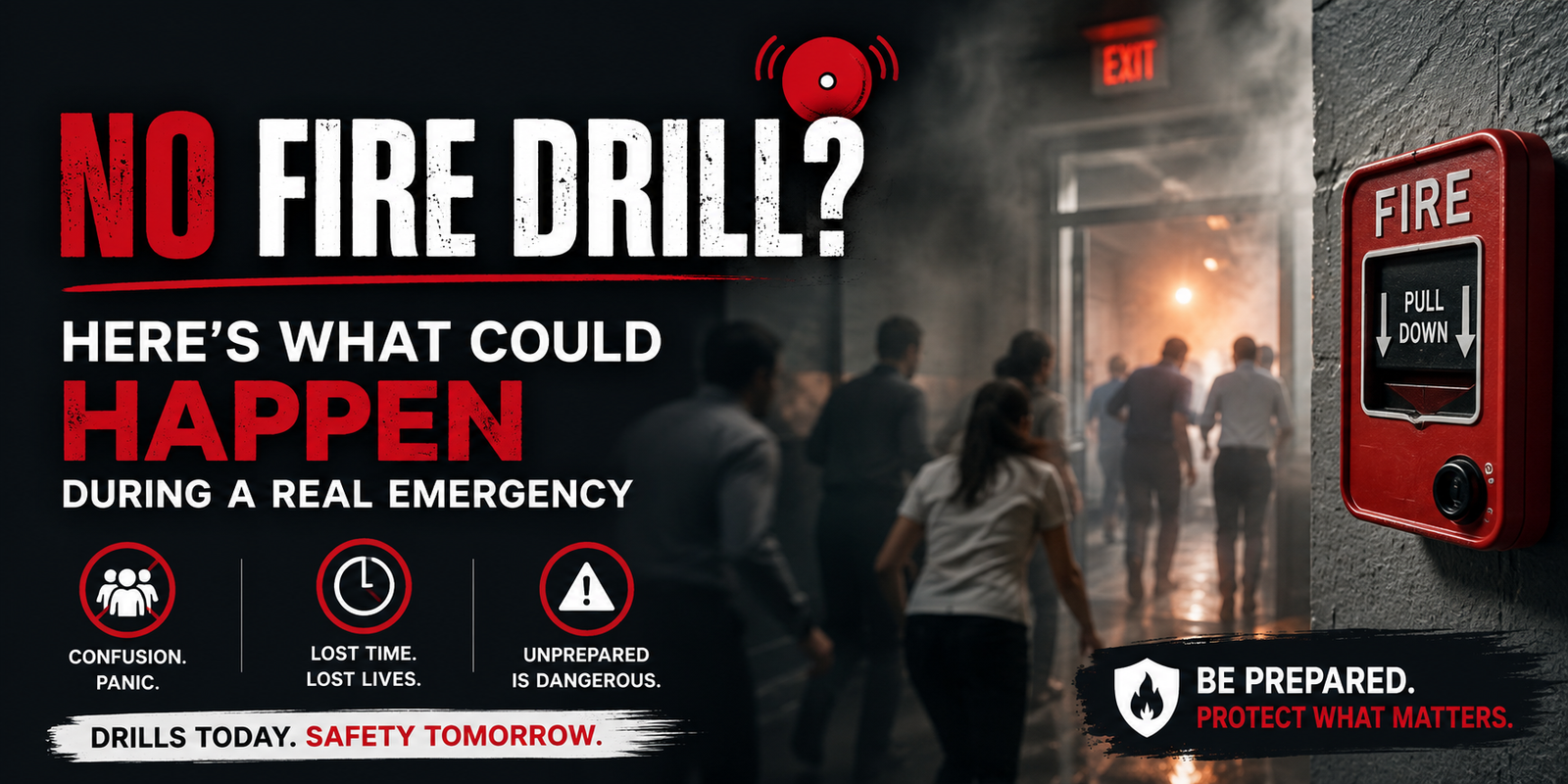
No Fire Drill? Here’s What Could Happen During Emergency

Most businesses invest in fire extinguishers, alarms, and CCTV systems, but many ignore one critical safety activity — fire drills. The truth is, no fire drill consequences can be far more dangerous than most people realize. During a real emergency, panic spreads within seconds, and without proper training, people often do not know where to go or what to do.

The biggest issue with no fire drill consequences is confusion. Employees may rush toward blocked exits, ignore safety instructions, or waste precious time collecting belongings instead of evacuating safely. In crowded workplaces, factories, schools, or residential buildings, this confusion can quickly turn into tragedy.

Many organizations assume emergencies will never happen to them. However, fires can start because of electrical faults, overheating equipment, gas leaks, or human error.

Why Fire Drills Matter More Than You Think

A fire drill is not just a routine activity done to satisfy compliance requirements. It is a life-saving exercise that prepares people to react calmly under pressure. The importance of fire drill programs becomes clear during actual emergencies, where every second matters.

Regular drills help people:

  • Identify the nearest emergency exits
  • Understand evacuation procedures
  • Learn how to respond without panic
  • Improve coordination during emergencies
  • Reduce evacuation time significantly

When employees repeatedly practice emergency procedures, their response becomes faster and more organized during real incidents.

Panic Is the First Danger During a Fire

One of the biggest risks during a fire emergency is panic. Smoke, alarms, and sudden chaos can cause people to freeze or make dangerous decisions.

Without proper preparation, employees may:

  • Run toward elevators
  • Crowd a single exit
  • Ignore safety instructions
  • Push others while escaping
  • Return inside to collect valuables

This is where emergency evacuation preparedness becomes essential. Proper planning and regular drills help people stay calm and move safely toward designated assembly points.

Delayed Response Can Cost Lives

In many real fire incidents, the damage becomes severe not because the fire was uncontrollable, but because evacuation started too late.

When people are unfamiliar with emergency procedures:

  • Valuable evacuation time is lost
  • Rescue operations become difficult
  • Firefighters face additional risks
  • Smoke inhalation injuries increase

A trained workforce reacts immediately when alarms sound. They know evacuation routes, emergency contacts, and assembly locations. This is why organizations must focus on proper workplace fire safety training rather than relying only on firefighting equipment.

Small Mistakes Become Big Disasters

Even minor confusion during an emergency can create life-threatening situations. For example:

-Blocked Exit Routes

Employees who never participated in drills may not know alternative escape routes if the main exit is blocked.

-Miscommunication

Without clear instructions, people may spread incorrect information, increasing panic across the workplace.

-Unsafe Firefighting Attempts

Some individuals may try to control the fire without proper training, putting themselves and others in danger.

A strong fire emergency response plan helps businesses assign responsibilities clearly and ensure everyone understands their role during a crisis.

Fire Drills Help Find Hidden Safety Gaps

One major benefit of conducting drills is identifying weaknesses before a real emergency occurs.

During drills, organizations often discover:

  • Locked emergency exits
  • Faulty alarm systems
  • Poor evacuation coordination
  • Lack of employee awareness
  • Unsafe assembly areas

These issues may remain unnoticed until a real fire happens. Conducting regular drills improves overall mock fire drill safety awareness and helps organizations fix safety gaps early.

Legal and Financial Risks of Ignoring Fire Drills

Ignoring fire drills can also create serious legal and financial problems for businesses.

Companies may face:

  • Heavy penalties from authorities
  • Insurance claim complications
  • Business interruption losses
  • Reputation damage
  • Legal action after accidents

Many fire safety regulations require organizations to conduct periodic fire drills and employee safety training. Failure to comply can lead to severe consequences after an incident.

Real Emergencies Never Give Warning Signs

Fires do not happen according to schedules. A small electrical spark, overheated machine, or unattended equipment can trigger a major emergency within minutes.

During such situations, preparation becomes the only difference between safe evacuation and chaos. Organizations that conduct regular drills build confidence among employees and create a safer working environment for everyone.

The reality is simple — no fire drill consequences are often discovered only after a disaster happens. By then, it may already be too late.

Conclusion

Imagine being trapped inside a smoke-filled building with alarms ringing everywhere, but nobody knows where to go. That fear, confusion, and panic are exactly what regular fire drills are meant to prevent.

As employees, residents, students, or business owners, we all expect safety during emergencies. But safety does not happen automatically — it comes from preparation, awareness, and practice. Ignoring fire drills may save a few minutes today, but during a real emergency, those lost minutes could cost lives.

A simple drill may feel routine, but in reality, it prepares people to survive when every second matters.

NBC 2026 fire safety

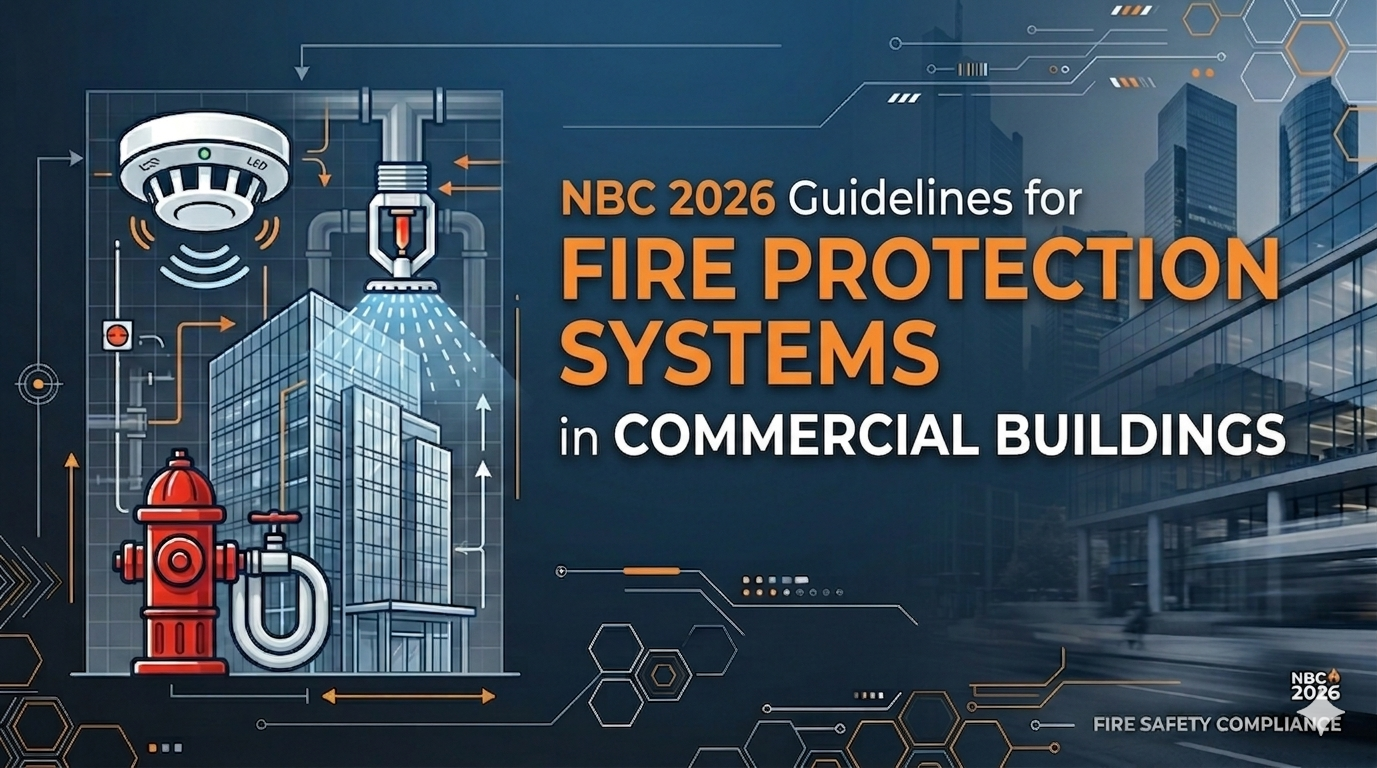
NBC 2026 Guidelines for Fire Protection Systems

Commercial buildings are becoming larger, smarter, and more crowded every year. With this growth, fire protection has become more important than ever. The latest NBC 2026 fire safety guidelines aim to improve protection standards for offices, malls, hotels, IT parks, and other commercial spaces across India. Businesses must now focus on better planning, advanced fire detection, and faster emergency response systems.

The updated NBC 2026 fire safety regulations introduce stricter requirements for evacuation planning, firefighting equipment, and system maintenance. These new standards are designed to reduce fire risks and protect both property and human life. For every building owner, following NBC 2026 fire safety rules is no longer optional—it is a key part of modern safety management.

In this blog, we will explore the latest NBC 2026 requirements for fire alarm, sprinkler, and hydrant installations in commercial buildings and understand how these systems improve overall safety.

Why NBC 2026 Matters for Commercial Buildings

Commercial spaces often contain expensive equipment, electrical systems, large workforces, and heavy public movement. Even a small fire incident can lead to major financial losses and safety hazards.

The National Building Code 2026 focuses on stronger prevention methods and faster emergency response. The new guidelines encourage property owners to install reliable protection systems and maintain them regularly. This helps businesses improve safety standards while meeting legal requirements.

The updated code also supports better emergency planning for high-rise structures, shopping complexes, warehouses, and office buildings.

Updated Guidelines for Fire Alarm Systems

Modern fire alarm systems play a major role in detecting fire at an early stage. NBC 2026 emphasizes the importance of advanced detection devices in commercial buildings.

The updated code recommends:

  • Addressable fire alarm panels for faster identification of fire locations
  • Smoke and heat detectors in critical areas
  • Automatic audio and visual warning systems
  • Integration with emergency evacuation systems
  • Regular inspection and testing schedules

A properly designed alarm system helps occupants react quickly during emergencies. Faster alerts can significantly reduce injuries and property damage.

Importance of Sprinkler Systems Under NBC 2026

Automatic sprinkler systems are now considered essential in many commercial properties, especially high-rise and high-occupancy buildings.

NBC 2026 highlights the need for:

  • Adequate water storage capacity
  • Proper sprinkler coverage in all critical zones
  • High-quality piping and valves
  • Automatic activation during temperature rise
  • Routine maintenance and pressure testing

Sprinklers can control fires in their early stages before they spread across floors or sections. This improves occupant safety and supports faster firefighting operations.

Fire Hydrant System Requirements

Reliable fire hydrant systems are another important part of commercial building protection. NBC 2026 introduces stricter recommendations for hydrant placement and accessibility.

Key requirements include:

  • Easy access for firefighters
  • Proper water pressure throughout the building
  • Hydrant coverage on every floor
  • Clearly marked hose reels and landing valves
  • Regular maintenance and inspection

An effective hydrant network allows emergency teams to respond quickly and control fire spread more efficiently.

Focus on Commercial Fire Safety

The main goal of NBC 2026 is to improve overall commercial fire safety standards in India. The code promotes better coordination between detection systems, suppression systems, and evacuation planning.

Commercial buildings are now expected to:

  • Conduct regular fire drills
  • Train employees on emergency response
  • Maintain clear evacuation routes
  • Perform periodic fire audits
  • Upgrade outdated systems when required

These measures help reduce panic during emergencies and improve safety for employees, visitors, and emergency responders.

Building Fire Compliance Is Now More Important

Every commercial property owner must understand the importance of building fire compliance under the new regulations. Non-compliance can result in penalties, operational delays, and higher safety risks.

Following NBC 2026 standards can help businesses:

  • Improve occupant safety
  • Reduce property damage risks
  • Meet Fire NOC requirements
  • Build customer trust
  • Ensure smoother insurance approvals

Compliance is not only about following rules. It is about creating a safer environment for everyone inside the building.

How Businesses Can Prepare for NBC 2026

Commercial property owners should begin reviewing their existing fire protection systems immediately. Conducting professional fire safety audits can help identify gaps in alarms, sprinklers, hydrants, and evacuation systems.

Businesses should also:

  • Upgrade outdated fire protection equipment
  • Schedule routine maintenance
  • Train staff regularly
  • Ensure proper documentation
  • Work with certified fire safety professionals

Early preparation can make the transition to the new code much easier.

Conclusion

NBC 2026 introduces stronger and smarter fire protection standards for commercial buildings across India. From advanced detection technology to improved sprinkler and hydrant requirements, the updated guidelines focus on faster response and better life safety.

Building owners who invest in proper fire protection systems today will be better prepared for future compliance requirements. Adopting these standards is a smart step toward safer commercial spaces, reduced risks, and improved emergency readiness.

fire extinguisher pressure gauge red

Why Your Fire Extinguisher Pressure Gauge Shows Red Suddenly?

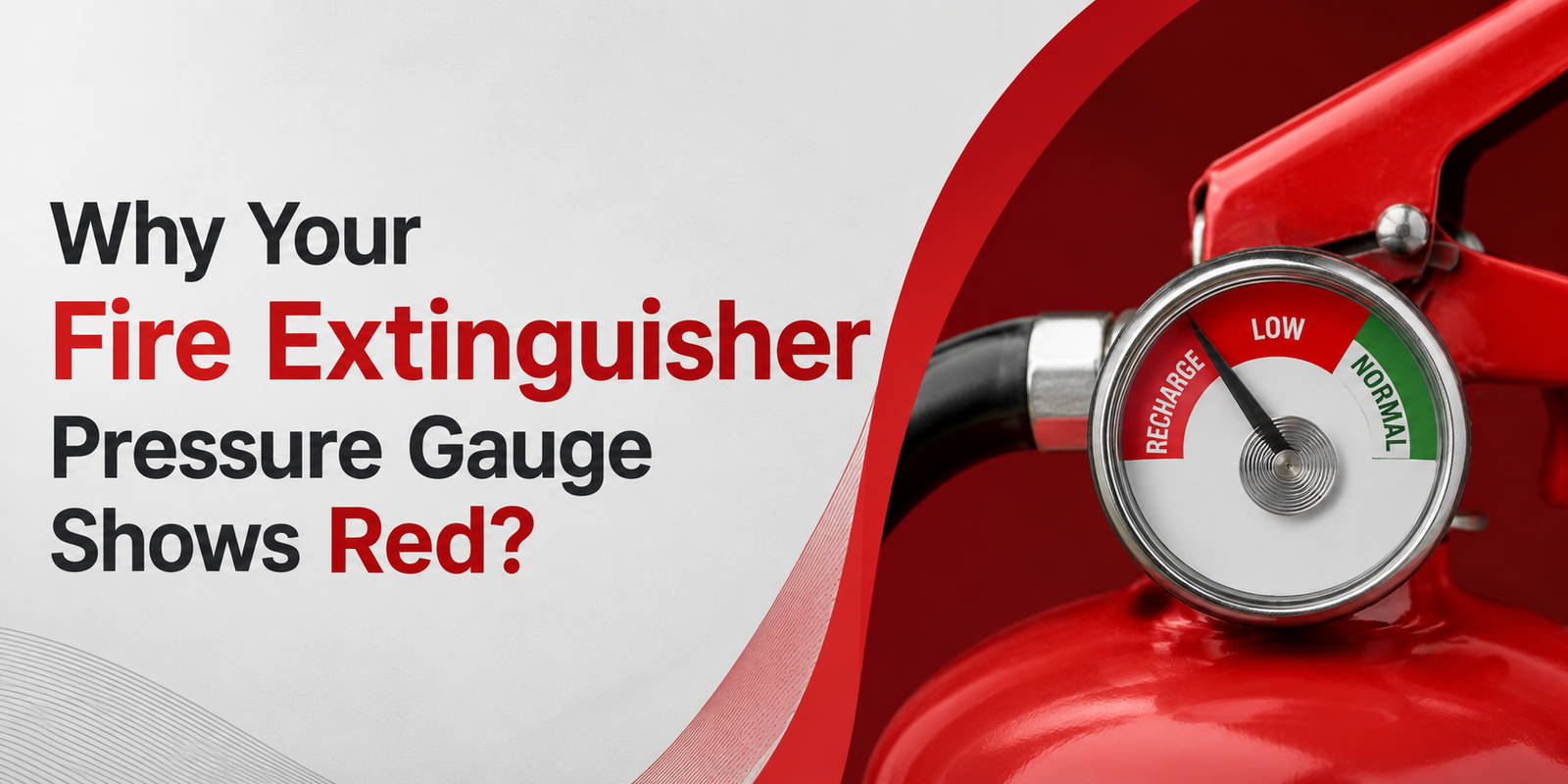
Have you ever checked your fire extinguisher and noticed the needle pointing toward the red zone? Many people ignore it, assuming the extinguisher will still work during an emergency. But that small indicator can become a major safety risk when a fire actually breaks out. A fire extinguisher pressure gauge red warning is not something businesses, housing societies, or homeowners should overlook.

When the fire extinguisher pressure gauge red mark appears, it usually means the extinguisher is either over-pressurized or under-pressurized. In both cases, the extinguisher may fail to operate properly during a fire emergency. Unfortunately, many offices and residential buildings only discover this issue when it is too late.

If your fire extinguisher pressure gauge red indicator is visible, immediate inspection and servicing are important. Understanding why this happens can help you avoid equipment failure, compliance issues, and unnecessary risks to life and property.

What Does the Red Zone on a Fire Extinguisher Mean?

The pressure gauge on a fire extinguisher is designed to show whether the internal pressure is at a safe operating level. Normally, the needle should stay in the green zone. When it moves to the red area, it indicates a problem with the internal pressure.

An extinguisher gauge red indication can mean:

  • Low internal pressure
  • Gas leakage
  • Damaged valve or seal
  • Temperature-related pressure changes
  • Overfilled extinguisher cylinder

Any of these issues can prevent the extinguisher from functioning effectively during a fire emergency.

Common Reasons Your Fire Extinguisher Shows Red

1. Loss of Pressure Over Time

One of the most common causes is gradual pressure loss. Even when not used, extinguishers can slowly lose pressure because of minor leaks or worn-out components. This often results in a low pressure fire extinguisher, making it unreliable during emergencies.

2. Lack of Regular Inspection

Ignoring periodic inspections is another major reason behind pressure issues. Routine fire extinguisher maintenance helps identify damaged gauges, leaks, rust, and expired cylinders before they become dangerous.

3. Temperature Exposure

Extreme heat or direct sunlight can affect the internal pressure of extinguishers. Similarly, storing extinguishers in very cold areas can reduce pressure levels. Sudden pressure fluctuations may push the needle into the red zone.

4. Expired or Old Extinguishers

Old extinguishers may lose their effectiveness with time. Internal components wear out, seals become weak, and pressure retention decreases. Regular servicing and timely replacement are essential for safety compliance.

5. Need for Refilling

After even partial usage, extinguishers may require a fire extinguisher refill to restore proper pressure and extinguishing capability. Many people mistakenly assume a partially used extinguisher is still ready for emergencies.

Why You Should Never Ignore a Red Pressure Gauge

A faulty extinguisher can create a false sense of safety. During a fire incident, every second matters. If the extinguisher fails to discharge properly, the fire can spread rapidly and cause severe damage.

Ignoring abnormal fire extinguisher pressure levels can also lead to:

  • Fire safety compliance violations
  • Failed fire audits
  • Increased property damage risks
  • Safety hazards for employees and residents

This is why regular inspections and servicing should always be part of your building’s fire safety plan.

How Often Should Fire Extinguishers Be Checked?

Experts recommend monthly visual inspections and annual professional servicing. During inspections, always check:

  • Pressure gauge status
  • Safety pin condition
  • Hose damage
  • Cylinder leakage
  • Expiry date

If the gauge needle is outside the green zone, immediate servicing is recommended.

Signs Your Fire Extinguisher Needs Immediate Service

Watch for these warning signs:

  • Needle pointing toward red
  • Rust or corrosion on cylinder
  • Broken safety seal
  • Leakage near nozzle
  • Physical dents or damage

These indicators suggest the extinguisher may not function properly during an emergency.

Final Thoughts

A fire extinguisher is one of the most important first-response safety devices in any building. But it can only protect lives and property if it is properly maintained and ready to use. A red pressure gauge is a warning sign that should never be ignored.

Regular inspections, timely refilling, and professional servicing can ensure your extinguishers remain reliable when emergencies occur. Whether you manage an office, factory, warehouse, shop, or housing society, proactive fire safety measures can prevent serious losses.

Looking for the best fire extinguisher company in Pune or reliable fire extinguisher refilling services in Pune?

Contact Oustfire today.

📞 Call: 9324259477
📧 Email: sales@oustfire.com

fire audit for businesses

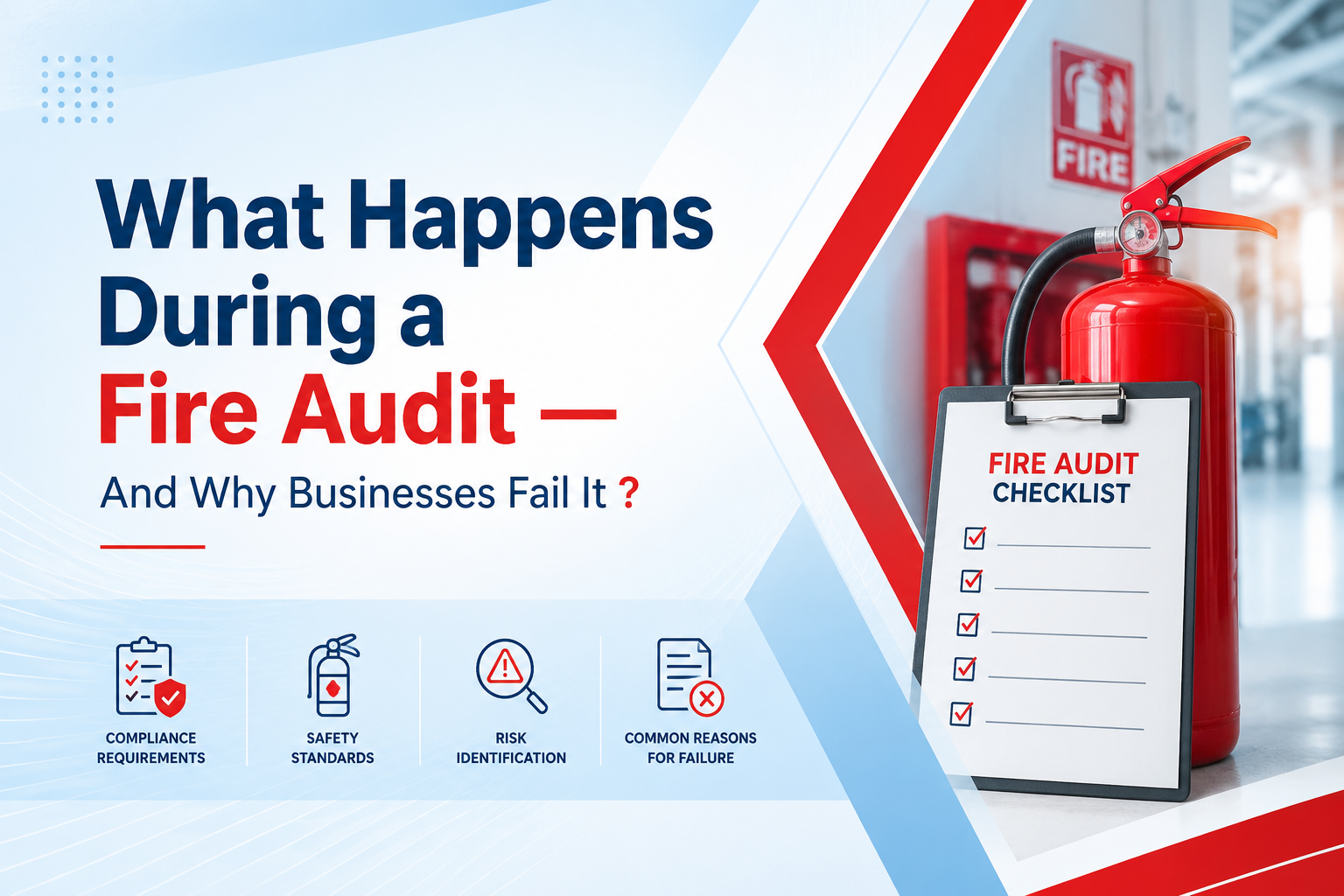
What Happens During a Fire Audit — And Why Businesses Fail It ?

Fire accidents can damage property, stop business operations, and put lives at risk within minutes. That is why every company today must understand the importance of a fire audit for businesses. Many organizations believe they are fully protected until an actual inspection reveals serious safety gaps. A proper fire audit for businesses helps identify hidden hazards, improve emergency preparedness, and ensure legal compliance. Whether it is a small office, warehouse, factory, or commercial building, a professional fire audit for businesses can prevent costly mistakes before they turn into disasters.

Unfortunately, many companies fail fire audits because they ignore basic safety measures, delay maintenance, or do not train employees properly. In this blog, we will explain what happens during a fire audit and the most common reasons businesses fail it.

What Is a Fire Audit?

A fire audit is a detailed inspection conducted to evaluate the fire safety systems, emergency preparedness, and overall safety standards of a building or workplace. The goal is to identify risks and ensure the property follows fire safety regulations.

A professional audit checks everything from extinguishers and alarms to emergency exits and evacuation plans.

What Happens During a Fire Audit?

1. Inspection of Fire Safety Equipment

Auditors first check all firefighting equipment such as:

They verify whether the equipment is working properly, serviced regularly, and installed in the right locations.

2. Review of Emergency Exit Routes

Blocked or poorly marked exits are one of the biggest safety concerns. Auditors inspect:

  • Emergency exit accessibility
  • Exit signage visibility
  • Staircase safety
  • Emergency lighting systems

Businesses often fail because exit pathways are blocked with furniture or storage items.

3. Evaluation of Electrical Safety

Electrical faults are among the leading causes of workplace fires. During a commercial fire inspection, auditors examine:

  • Overloaded circuits
  • Damaged wiring
  • Unsafe extension boards
  • Electrical panel conditions

Poor maintenance can easily become a fire hazard.

4. Verification of Safety Documents

Auditors also review important records, including:

  • Fire equipment maintenance logs
  • Employee fire drill reports
  • Fire NOC documents
  • Emergency response plans

Missing or outdated documents can create compliance issues.

5. Employee Fire Safety Awareness Check

A building may have advanced safety systems, but untrained employees can still increase risk. Auditors check whether staff members know:

  • How to use fire extinguishers
  • Emergency evacuation procedures
  • Fire reporting methods
  • Assembly point locations

This is a major part of maintaining workplace fire safety compliance.

Why Businesses Fail Fire Audits

-Ignoring Regular Maintenance

Many companies install fire systems but forget regular servicing. Non-functional extinguishers or alarms immediately raise red flags during inspections.

-Blocked Emergency Exits

Emergency exits must remain clear at all times. Even temporary obstructions can result in audit failure.

-Lack of Staff Training

Employees who panic during emergencies or do not know evacuation procedures indicate poor preparedness.

-Expired Fire Extinguishers

Expired or damaged extinguishers are among the most common fire safety issues found during audits.

-Poor Storage Practices

Storing flammable materials near electrical systems or heat sources increases fire risk significantly.

-Incomplete Fire Safety Planning

Businesses without a proper fire risk assessment for companies often fail to identify hidden dangers within their premises.

Common Fire Safety Violations Found During Audits

Some of the most frequent common fire safety violations include:

  • Missing fire extinguisher signage
  • Non-functional smoke detectors
  • Locked emergency exits
  • Faulty electrical wiring
  • Lack of evacuation maps
  • Improper chemical storage

Even small violations can lead to penalties and serious safety risks.

Importance of a Fire Safety Audit Checklist

Using a proper fire safety audit checklist helps businesses stay prepared throughout the year. A checklist ensures that:

  • Equipment inspections happen regularly
  • Safety records remain updated
  • Emergency systems stay operational
  • Staff training is conducted on time

Regular audits reduce risk and improve workplace safety standards.

How Businesses Can Pass a Fire Audit

Here are some practical tips:

  • Conduct regular fire drills
  • Service fire equipment on schedule
  • Train employees on emergency response
  • Keep exits clear and visible
  • Inspect electrical systems regularly
  • Update safety documents frequently

A proactive approach always improves audit performance.

Final Thoughts

Fire audits are not just about following rules. They are about protecting employees, customers, property, and business continuity. A failed audit can lead to penalties, operational shutdowns, and increased fire risk. Taking fire safety seriously today can prevent major losses tomorrow.

Looking for best fire audit services in Navi Mumbai?

📞 Call: 9324259477
📧 Mail: sales@oustfire.com