Fire Safety Solutions in Navi Mumbai

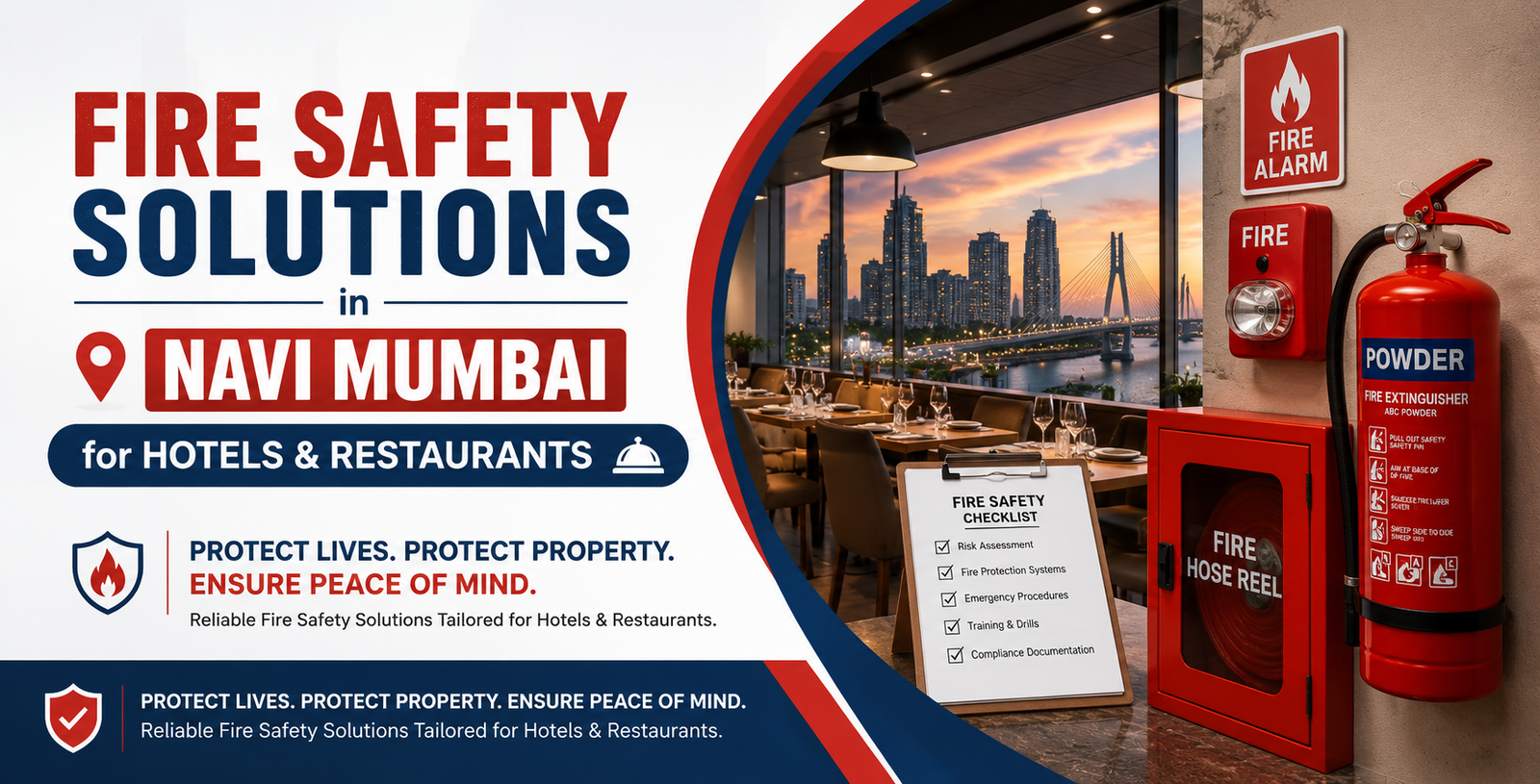
Fire Safety Solutions in Navi Mumbai for Hotels & Restaurants

Are you looking for the best fire safety solutions in navi mumbai for your hotel, restaurant, café, or hospitality business? In today’s fast-growing hospitality industry, ensuring proper fire protection is no longer optional. From commercial kitchens and banquet halls to luxury hotels and rooftop restaurants, every property requires advanced fire safety solutions in navi mumbai to protect guests, staff, and valuable assets. Choosing reliable fire safety solutions in navi mumbai  can help businesses reduce fire risks, improve emergency preparedness, and comply with fire safety regulations without compromising customer experience.

Why Fire Safety Is Crucial for Hotels & Restaurants

Hotels and restaurants face higher fire risks compared to many other businesses. Commercial kitchens, electrical equipment, gas pipelines, decorative lighting, and crowded indoor spaces can quickly turn small incidents into major emergencies.

A minor kitchen spark or electrical short circuit can result in:

  • Property damage
  • Business shutdown
  • Legal penalties
  • Loss of customer trust
  • Serious injuries

This is why hospitality businesses must invest in professional fire prevention and emergency response systems before accidents occur.

Common Fire Risks in Hospitality Businesses

-Kitchen Fire Hazards

Restaurants and hotel kitchens operate continuously with gas burners, oil fryers, ovens, and exhaust systems. Grease buildup and overheating equipment are among the leading causes of commercial kitchen fires.

-Electrical Overloads

Hotels use centralized air conditioning, lighting systems, elevators, and electronic appliances that increase electrical load. Poor wiring maintenance can create dangerous fire hazards.

-Emergency Exit Blockage

Many restaurants and banquet venues fail to maintain clear emergency exits, which can create panic during emergencies.

-Lack of Maintenance

Ignoring periodic inspection of extinguishers, detectors, and hydrant systems can reduce the effectiveness of safety systems during critical situations.

Essential Fire Safety Systems Every Hotel & Restaurant Needs

Modern smoke detectors and alarm panels help identify fire incidents at an early stage.

Advanced Fire alarm systems Navi Mumbai are designed to provide quick alerts and improve evacuation response time.

These systems are especially important for:

  • Hotels
  • Banquet halls
  • Fine dining restaurants
  • Cloud kitchens
  • Resorts

Fire Extinguishers for Different Fire Types

Different fire hazards require different extinguishers:

Regular inspection and refilling ensure the equipment remains operational during emergencies.

Automatic Fire Fighting Systems

Modern hospitality properties now prefer automatic sprinkler and suppression solutions that activate instantly during emergencies. Professionally installed Fire fighting systems help control flames before they spread across guest rooms, kitchens, or storage areas.

Emergency Exit Planning & Signage

Emergency lighting, illuminated exit signs, and evacuation maps help guests safely exit the building during smoke or power failure situations.

Benefits of Professional Fire Safety Services

-Improved Guest Safety

Customers prefer hotels and restaurants that prioritize safety and emergency preparedness.

-Regulatory Compliance

Proper systems help businesses comply with local fire department norms and avoid penalties.

-Reduced Property Damage

Quick detection and suppression systems minimize fire spread and financial losses.

-Better Business Reputation

A safe business environment builds customer trust and strengthens brand credibility.

Importance of Regular Fire Safety Maintenance

Installing fire systems alone is not enough. Routine servicing and inspections are equally important for long-term safety.

Professional Fire safety equipment services include:

  • Fire extinguisher refilling
  • Alarm testing
  • Hydrant inspection
  • Smoke detector maintenance
  • Emergency lighting checks

Regular maintenance ensures every component functions correctly during emergencies.

Choosing the Right Fire Safety Partner in Navi Mumbai

When selecting a fire protection company, businesses should consider:

  • Industry experience
  • Certified technicians
  • AMC support
  • Emergency response capability
  • Compliance expertise

Reliable providers offering Hotel fire safety services understand the unique requirements of hospitality properties and recommend customized solutions for maximum protection.

Similarly, businesses seeking advanced Restaurant fire protection solutions should focus on kitchen suppression systems, gas leak detection, and proper ventilation safety measures.

Fire Safety Trends in Modern Hospitality Businesses

Many hotels and restaurants are now adopting smart technologies such as:

  • Wireless smoke detectors
  • IoT-based monitoring systems
  • Automated sprinklers
  • Smart emergency alerts
  • Remote fire monitoring

These innovations improve response time and help management monitor safety systems in real time.

Final Thoughts

Fire safety is one of the most important investments for hotels and restaurants in Navi Mumbai. From guest protection and legal compliance to business continuity and reputation management, proper fire protection systems play a vital role in every hospitality business.

Whether you operate a luxury hotel, café, banquet hall, rooftop restaurant, or commercial kitchen, implementing advanced fire prevention measures can significantly reduce risks and improve operational safety. Partnering with experienced professionals ensures your property remains protected, compliant, and prepared for emergencies at all times.

Fire risks in Mumbai industrial areas

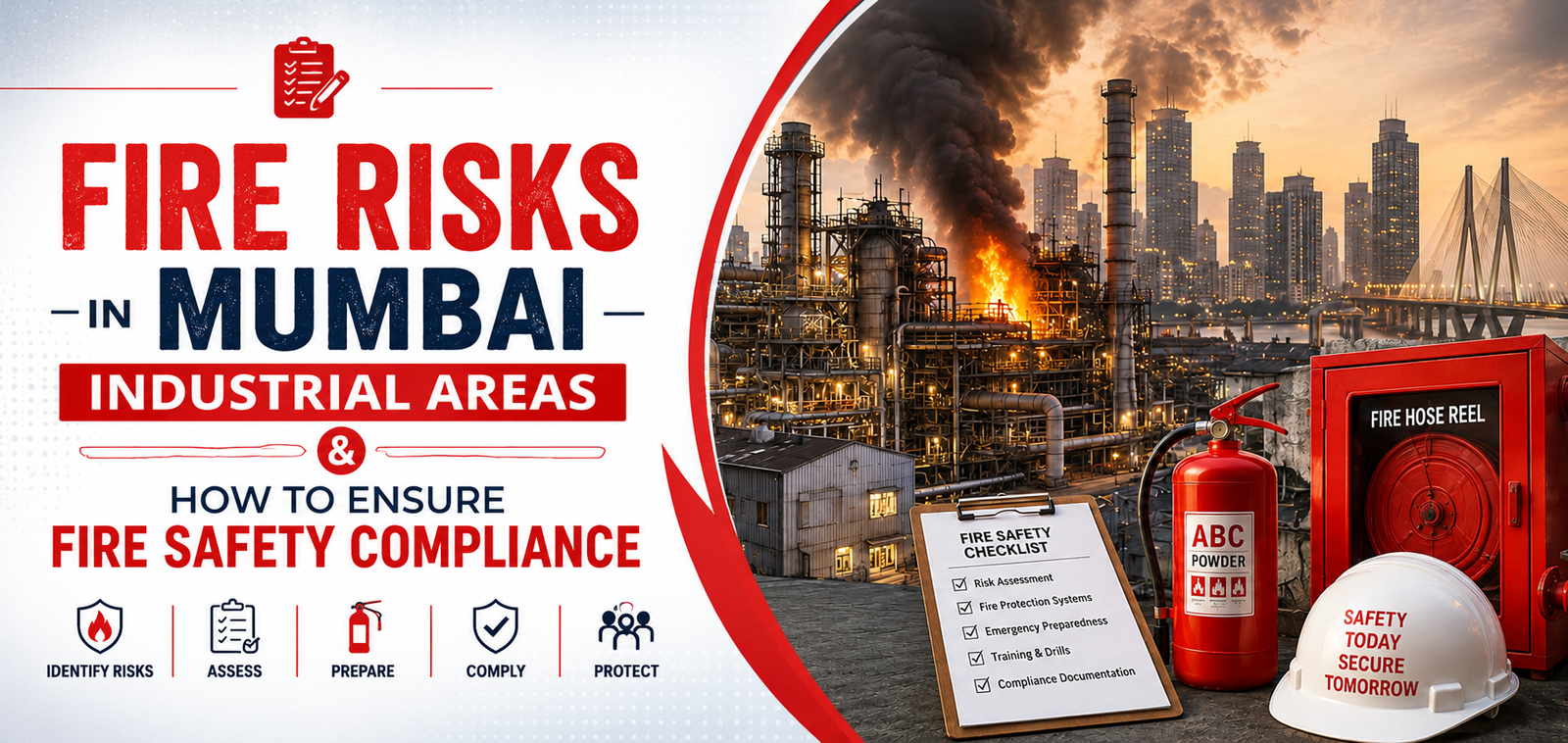
Fire Risks in Mumbai Industrial Areas & How to Ensure Fire Safety Compliance

Mumbai’s industrial landscape is fast-paced, high-output, and constantly evolving—but with growth comes responsibility. Fire risks in Mumbai industrial areas are a serious concern due to dense infrastructure, heavy machinery, and hazardous materials. Businesses operating in such environments must prioritize safety, not just to protect assets but to save lives. Ignoring Fire risks in Mumbai industrial areas can lead to devastating consequences, including financial losses, legal penalties, and operational shutdowns.

Industrial hubs like MIDC zones, warehouses, and manufacturing units face daily exposure to fire hazards. Understanding Fire risks in Mumbai industrial areas and implementing proactive strategies is the key to ensuring uninterrupted operations and long-term compliance.

Common Causes of Industrial Fires in Mumbai

Industrial fires rarely happen by accident—they are usually the result of overlooked risks. Here are the most common triggers:

  • Electrical Failures: Faulty wiring, overloaded circuits, and poor maintenance are leading causes.
  • Flammable Materials: Improper storage of chemicals, fuels, and gases increases fire vulnerability.
  • Human Error: Lack of training, negligence, and unsafe handling practices.
  • Machinery Overheating: Continuous usage without maintenance can spark fires.
  • Poor Housekeeping: Accumulation of waste, dust, and debris fuels fire spread.

Identifying these risks early helps industries stay ahead of potential disasters.

Why Fire Safety Compliance in Mumbai Industries is Non-Negotiable

Fire safety compliance in Mumbai industries is not just a legal requirement—it’s a business necessity. Authorities like the Fire Department and local municipal bodies mandate strict adherence to safety norms.

Non-compliance can result in:

  • Heavy penalties and legal action
  • Suspension of business operations
  • Rejection of fire NOC
  • Increased insurance premiums

Compliance ensures your workplace is prepared, protected, and legally secure.

Fire Safety Services in Mumbai: Your First Line of Defense

Professional Fire safety services in Mumbai play a crucial role in minimizing risks. From installation to maintenance, these services ensure your systems are always operational.

Key offerings include:

  • Fire extinguisher installation and refilling
  • Fire alarm and detection systems
  • Hydrant and sprinkler systems
  • Emergency evacuation planning
  • Annual Maintenance Contracts (AMC)

Partnering with experts like Oustfire ensures your safety systems meet all regulatory standards.

Industrial Fire Prevention Measures in Mumbai

Prevention is always better than cure—especially when it comes to fire hazards. Implementing industrial fire prevention measures in Mumbai can drastically reduce risk levels.

Effective strategies include:

  • Regular inspection of electrical systems
  • Safe storage of flammable substances
  • Installation of fire-resistant materials
  • Routine fire drills and staff training
  • Clear emergency exit signage and access

A proactive approach not only prevents fires but also builds a culture of safety within the organization.

Fire Audit and Compliance for Factories in Mumbai

A professional Fire audit and compliance for factories in Mumbai is essential to identify hidden risks and ensure readiness. Fire audits evaluate your current systems, highlight gaps, and provide actionable recommendations.

What a fire audit includes:

  • Risk assessment of premises
  • Evaluation of fire protection systems
  • Compliance check with local fire laws
  • Documentation and reporting
  • Guidance for fire NOC approval

Regular audits keep your facility aligned with safety standards and ready for inspections.

How to Stay Ahead of Fire Risks in Mumbai Industrial Areas

To truly safeguard your business from Fire risks in Mumbai industrial areas, consistency is key. Safety is not a one-time task—it’s an ongoing commitment.

  • Schedule periodic maintenance
  • Train employees regularly
  • Upgrade outdated systems
  • Maintain proper documentation
  • Work with certified fire safety professionals

Taking these steps ensures your business remains compliant, secure, and resilient.

Conclusion: Don’t Wait for a Fire to Act

Fire hazards don’t announce themselves—they strike when least expected. Businesses that ignore safety today often pay a heavy price tomorrow. Tackling Fire risks in Mumbai industrial areas requires awareness, action, and accountability.

Investing in the right systems, following compliance norms, and partnering with trusted experts can make all the difference. Make fire safety a priority today—because protection isn’t an expense, it’s a responsibility that safeguards your people, property, and future.

residential fire evacuation

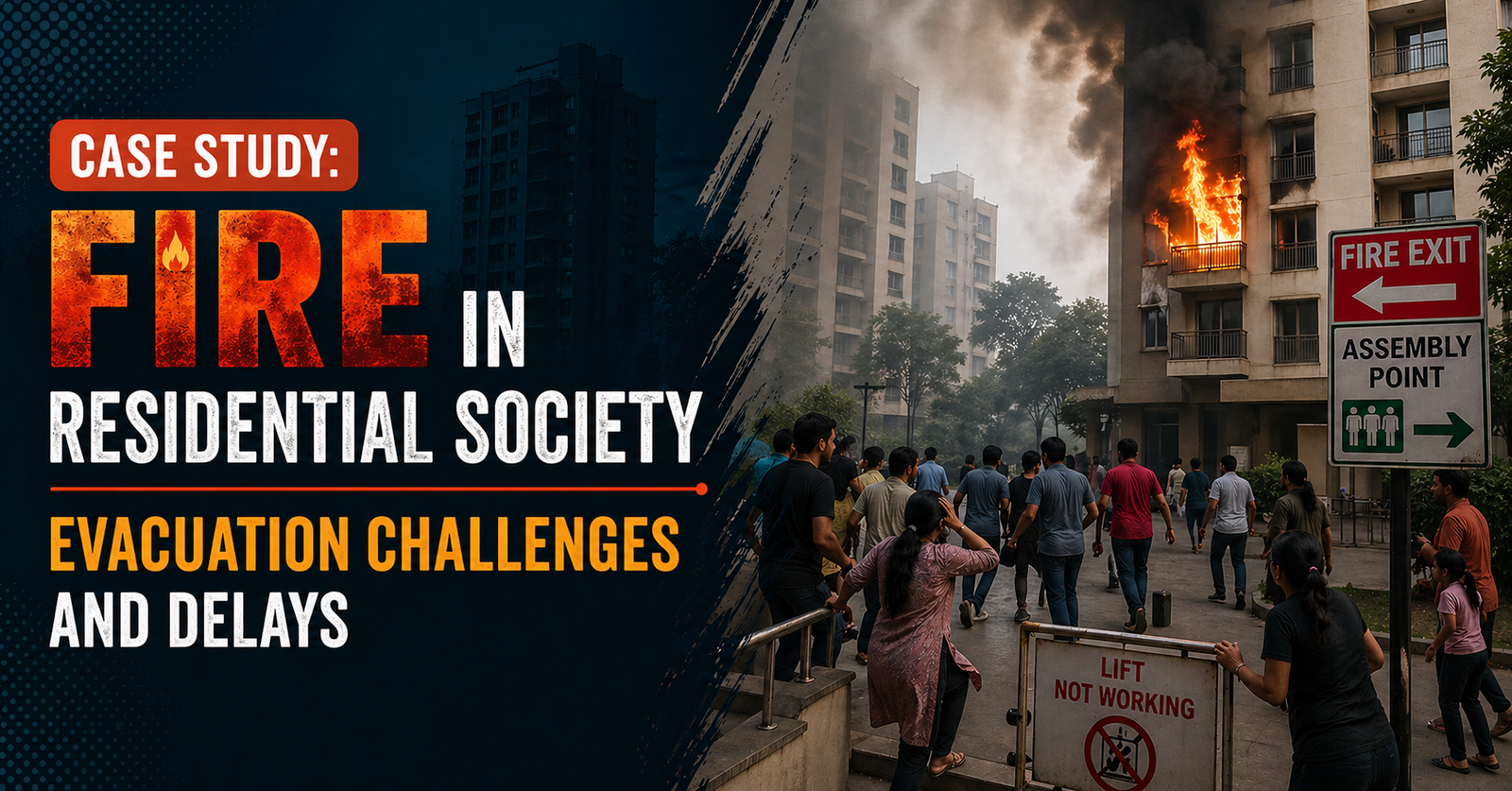
Case Study: Fire in Residential Society – Evacuation Challenges and Delays

It was an ordinary evening—until smoke began filling the corridors. Incidents like these remind us that residential fire evacuation is not just a safety protocol, but a life-saving necessity. In many societies, people assume they are prepared, but when panic strikes, even basic residential fire evacuation becomes chaotic and delayed. The reality is harsh—without proper planning, residential fire evacuation can turn into confusion, putting hundreds of lives at risk within minutes.

Incident Overview: What Happened in Pune

In a residential society located in Wakad, Pune, a fire broke out in the basement parking area due to an electrical short circuit in a two-wheeler. Within minutes, thick smoke started spreading through the building shafts and staircases. Residents from multiple floors were trapped, unable to understand the severity of the situation initially.

The incident quickly exposed gaps in society fire safety, as there was no immediate clarity on evacuation procedures or emergency coordination.

The Escalation: How the Fire Spread

The fire itself was initially small—but the smoke turned deadly. Due to poor ventilation and lack of smoke control systems, toxic fumes spread rapidly across floors. Many residents delayed evacuation, assuming it was a minor issue.

This hesitation resulted in a significant building evacuation delay, which made the situation worse. Families with children and elderly members struggled to navigate smoke-filled corridors, leading to panic and disorientation.

System & Human Failures

As the situation intensified, multiple failures became evident:

  • The fire alarm system either didn’t trigger on time or was ignored
  • Fire extinguishers were either inaccessible or not maintained
  • Residents were unaware of emergency exits and assembly points

This clearly highlighted a major fire safety system failure, where installed systems existed—but didn’t function effectively during a real emergency.

At the same time, the lack of training impacted fire emergency response, as residents and staff were unsure how to react quickly and correctly.

Root Cause Analysis: What Went Wrong

A deeper look into the incident revealed multiple contributing factors:

  • Lack of regular fire drills and awareness sessions
  • Poor maintenance of firefighting equipment
  • Absence of clear evacuation signage and guidance
  • Underestimation of apartment fire risk, especially in parking areas

The biggest issue wasn’t just the fire—it was the unpreparedness that allowed the situation to escalate.

What Could Have Prevented This?

This incident could have been controlled much earlier with the right measures:

  • Regular fire extinguisher inspection and refilling
  • Functional alarm and detection systems
  • Clearly marked evacuation routes
  • Conducting periodic mock drills for residents
  • Professional fire safety audits

Implementing these steps ensures that residential fire evacuation becomes faster, smoother, and more effective when it matters most.

Conclusion: Safety Is Not Optional—It’s Urgent

This case study is a wake-up call for every residential society. Fires don’t wait—and neither should your preparedness. What happened in Wakad could happen anywhere. The difference between safety and disaster often comes down to awareness, maintenance, and quick action.

Don’t wait for an incident to expose the gaps. Strengthen your systems, train your people, and prioritize fire safety today—because in an emergency, every second counts, and every delay can cost lives.

fire safety system failure reasons

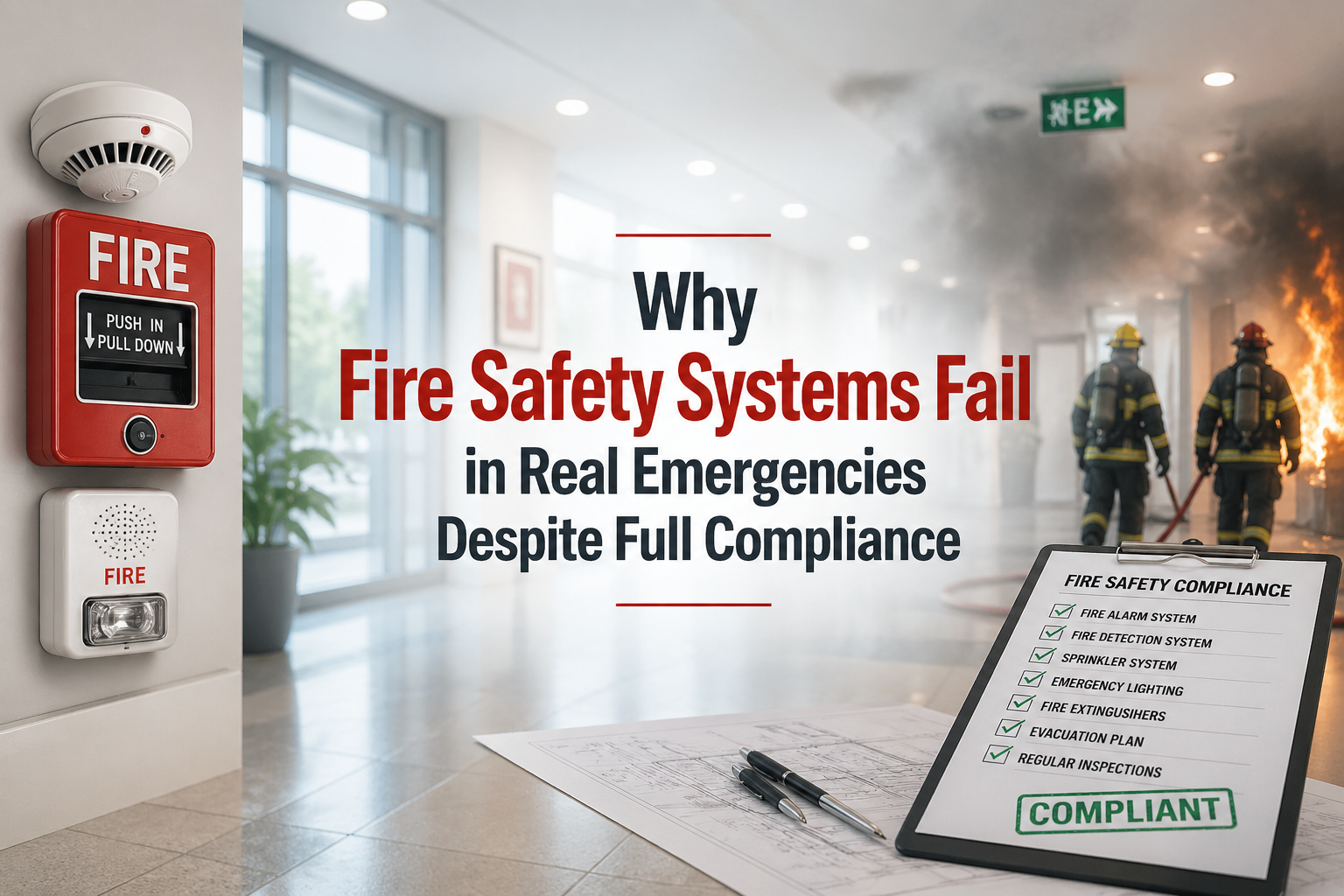
Why Fire Safety Systems Fail in Real Emergencies Despite Full Compliance

Many building owners and safety managers assume that once a system is “compliant,” it is fully reliable. However, real-world incidents often tell a different story. The fire safety system failure reasons are more complex than just maintenance or installation issues. In fact, understanding fire safety system failure reasons is critical because even compliant buildings experience unexpected breakdowns during emergencies. Most importantly, ignoring fire safety system failure reasons can lead to delayed response, system malfunction, and increased risk to human life when it matters the most.

From high-rise offices to residential complexes, compliance certificates often create a false sense of security. But emergencies do not follow documentation—they expose real performance gaps.

Compliance vs Real-World Performance: The Hidden Gap

A major misconception in fire safety is that compliance equals readiness. While regulations ensure minimum standards, they do not always guarantee performance under stress conditions. This is where most failures begin.

Many systems are tested in controlled environments, but emergencies are chaotic, fast-changing, and unpredictable. This gap between design expectations and real-life performance often becomes the root cause of failure.

One of the most overlooked compliant fire safety systems failure causes is over-dependence on periodic inspections without real-time stress testing.

Why Fire Systems Fail Even When They Are “Approved”

Even certified systems can fail due to multiple interconnected issues:

  • Lack of integration between fire alarms and suppression systems
  • Delayed signal transmission during power failures
  • Poor calibration of sensors in dusty or humid environments
  • Human delay in responding to alerts

This explains why fire alarms fail during emergencies even when they are fully installed and certified. Often, the system works in isolation but fails when multiple components must respond together under pressure.

Maintenance Is Not the Only Problem

Many assume maintenance is the only factor behind failure. However, the reality is broader. Structural design, system integration, and human behavior all play critical roles.

In many cases, maintenance logs are updated, but actual performance checks are not conducted under simulated emergency conditions. This leads to a false assumption of safety readiness.

This is where we often see gaps in fire protection system performance, especially in older buildings where upgrades are partial or inconsistent.

Real-World Emergency Breakdown: What Actually Happens

During actual emergencies, fire safety systems are expected to perform in seconds. However, delays of even 30–60 seconds can be critical.

A typical breakdown includes:

  • Fire detection delay due to sensor blind spots
  • Alarm activation without evacuation coordination
  • Sprinkler systems activating late or unevenly
  • Communication failure between control rooms and occupants

This real incident fire safety system breakdown analysis shows that the issue is not always system absence—it is system inefficiency under pressure.

Human Factor: The Most Unpredictable Element

Even the most advanced systems depend on human response. Panic, confusion, and lack of training can override automated safety protocols.

For example, occupants may ignore alarms assuming false triggers. Security staff may delay activation of manual overrides. These behavioral delays can completely neutralize system advantages.

The Compliance Illusion in Modern Buildings

Today’s buildings often pass inspections but still fail during real emergencies. This creates what experts call the “compliance illusion”—a belief that certification equals safety.

In reality, compliance checks focus on documentation, not dynamic emergency simulation. This leads to unnoticed vulnerabilities in evacuation flow, system synchronization, and emergency communication.

Such limitations of fire safety compliance in buildings highlight why periodic audits alone are not enough.

Why System Integration Matters More Than Individual Components

A fire safety system is not just alarms or sprinklers—it is an interconnected network. If one component fails, the entire chain is affected.

Common integration issues include:

  • Fire alarm not linked to ventilation shutdown
  • Sprinklers not synced with alarm triggers
  • Emergency exits not illuminated automatically
  • Central control panel delays in data processing

This interconnected failure often becomes one of the leading fire safety system failure reasons in high-density buildings.

Training and Awareness: The Missing Layer

Even advanced systems cannot compensate for lack of awareness. Regular fire drills, evacuation training, and role-based responsibilities are essential.

Without training:

  • Occupants hesitate during evacuation
  • Emergency routes become congested
  • Panic spreads faster than the fire itself

This human delay often determines the final outcome more than the system itself.

How Modern Fire Safety Can Improve Reliability

To reduce failures, organizations must go beyond compliance and focus on resilience:

  • Conduct real-time simulation drills
  • Integrate AI-based monitoring systems
  • Upgrade legacy detection systems
  • Ensure cross-system communication testing
  • Train occupants regularly for emergency response

Only then can the gap between compliance and actual performance be reduced.

Conclusion

Fire safety is not just about installation—it is about performance under pressure. Many buildings today are compliant on paper but vulnerable in reality. The true challenge lies in understanding that safety systems are only as strong as their weakest interaction point.

Instead of relying solely on certifications, organizations must continuously evaluate real-world readiness. Because in emergencies, it is not the system on record that matters—it is the system that actually works.

society fire safety checklist

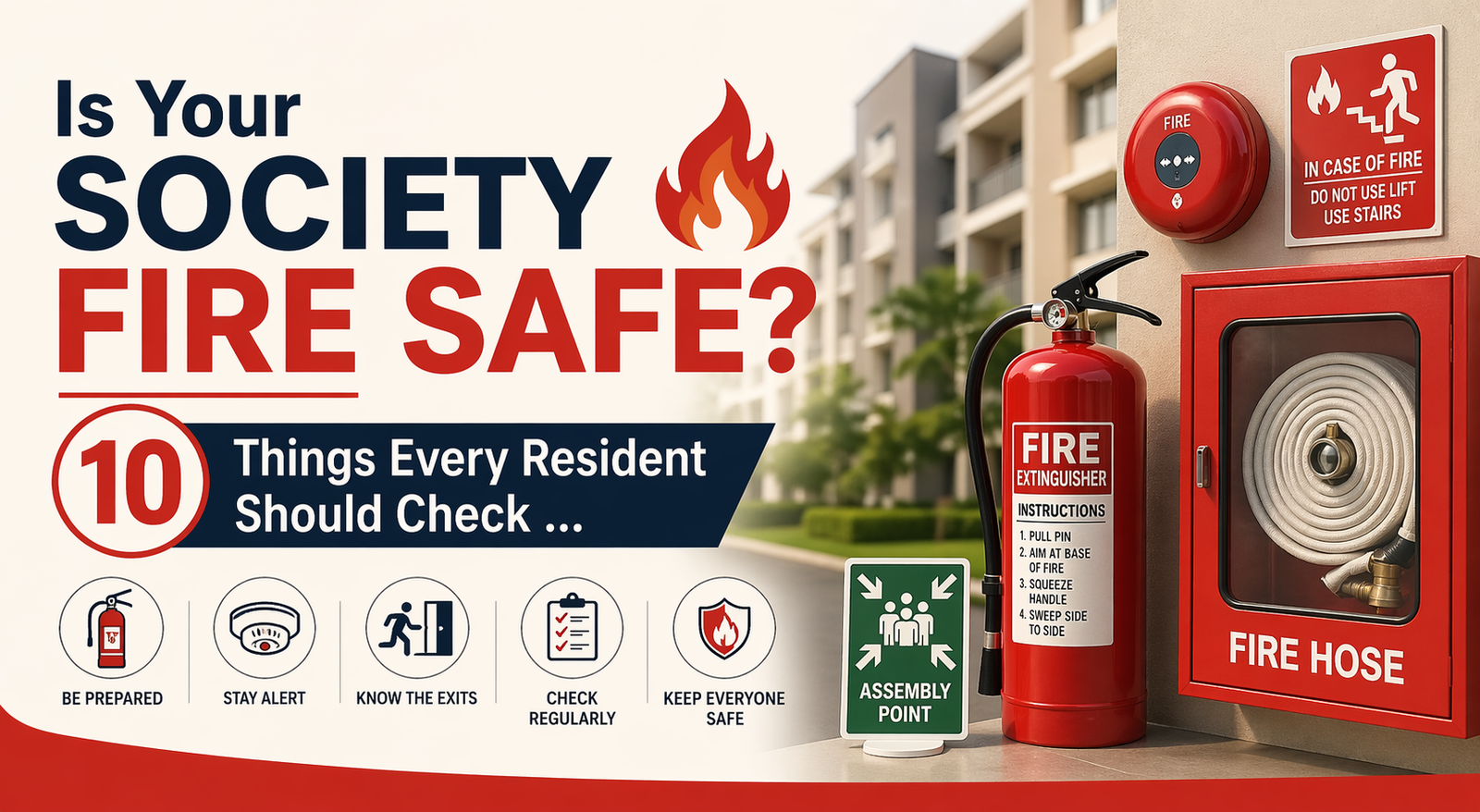
Is Your Society Fire Safe? 10 Things Every Resident Should Check

Are you truly safe in your own home, or are hidden fire risks putting your entire building at risk? Every resident should take a moment to review a proper society fire safety checklist, because ignoring fire hazards can have devastating consequences. A well-prepared society fire safety checklist not only saves lives but also ensures compliance with safety norms. In fact, following a structured society fire safety checklist is one of the simplest ways to protect your family and your neighbors.

1. Are Fire Extinguishers Installed and Functional?

Fire extinguishers are your first line of defense during a fire emergency. Check whether they are placed on every floor and in common areas like parking zones and lobbies. It’s equally important to ensure they are regularly serviced and not expired. A non-functional extinguisher is as good as having none.

2. Is There a Working Fire Alarm System?

An effective fire alarm system can save lives by providing early warning. Make sure your society has a properly installed and regularly tested alarm system. Residents should also be familiar with the alarm sound and know how to respond immediately.

3. Are Emergency Exits Clear and Accessible?

Blocked or locked emergency exits are one of the biggest hazards in residential buildings. Staircases and exit routes should always be free from obstacles like furniture, cycles, or storage items. Following proper residential building fire safety rules ensures these exits remain usable during emergencies.

4. Are Fire Drills Conducted Regularly?

Fire drills are not just for offices—they are crucial for residential societies too. Regular drills help residents understand evacuation procedures and reduce panic during real incidents. They also reveal gaps in the current safety plan.

5. Is Electrical Wiring Well Maintained?

Faulty wiring is a leading cause of residential fires. Regular inspections should be conducted to identify loose connections, overloaded circuits, or outdated wiring systems. Residents should avoid using damaged appliances or illegal connections.

6. Are Fire Hydrants and Hose Reels Working?

Fire hydrants and hose reels are essential for controlling fires before they spread. Ensure they are easily accessible and maintained properly. Many societies install them but fail to keep them operational over time.

7. Is Basement Parking Safe?

Parking areas often become fire hazards due to fuel leaks and improper storage. Make sure there are no flammable materials stored in parking zones. Adequate ventilation and fire detection systems should be in place, especially in high-rise building fire safety India standards.

8. Are LPG Cylinders and Kitchens Safe?

Improper handling of LPG cylinders can lead to dangerous explosions. Residents should regularly check for gas leaks and ensure proper ventilation in kitchens. Simple precautions can prevent major accidents.

9. Does Your Society Follow Safety Compliance?

Every residential complex must adhere to society fire safety requirements set by local authorities. This includes approvals, safety audits, and installation of necessary firefighting equipment. Non-compliance can put all residents at risk.

10. Are Residents Aware and Trained?

Even the best systems fail if people don’t know how to use them. Awareness programs and training sessions should be conducted to educate residents. A well-informed community is the strongest defense against fire hazards and forms a complete fire safety checklist for residents.

Conclusion

Fire safety is not just a checklist—it’s a shared responsibility. While management plays a role in infrastructure and compliance, residents must stay alert and proactive. Revisiting your society fire safety checklist regularly can help you identify risks early and take corrective action. A safe society is not built overnight, but through consistent awareness, maintenance, and participation.

Don’t wait for an emergency to realize the importance of fire safety. Start checking today—because when it comes to fire, prevention is always better than cure.

fire extinguisher selection guide

Fire Extinguisher Selection Guide: Matching Fire Classes with the Right Equipment

Stop Guessing. Start Choosing Right

A fire doesn’t give you a warning. It doesn’t wait for instructions. It spreads in seconds—and in that moment, the only thing standing between control and catastrophe is the right extinguisher. Sounds dramatic? It should.

Most people think any extinguisher will do the job. That’s the biggest mistake. Using the wrong one can actually make the fire worse, faster, and more dangerous. That’s exactly why this fire extinguisher selection guide exists—to help you act smart, not just fast.

In this fire extinguisher selection guide, you’ll discover how different fires demand different responses, why guessing is risky, and how choosing the right equipment can literally save lives and property. Because a proper fire extinguisher selection guide is not just about compliance—it’s about survival.

Understanding Fire: Not All Fires Are the Same

Before choosing an extinguisher, you need to understand one simple truth:Fire behaves differently depending on what’s burning.

That’s where fire classes come in.

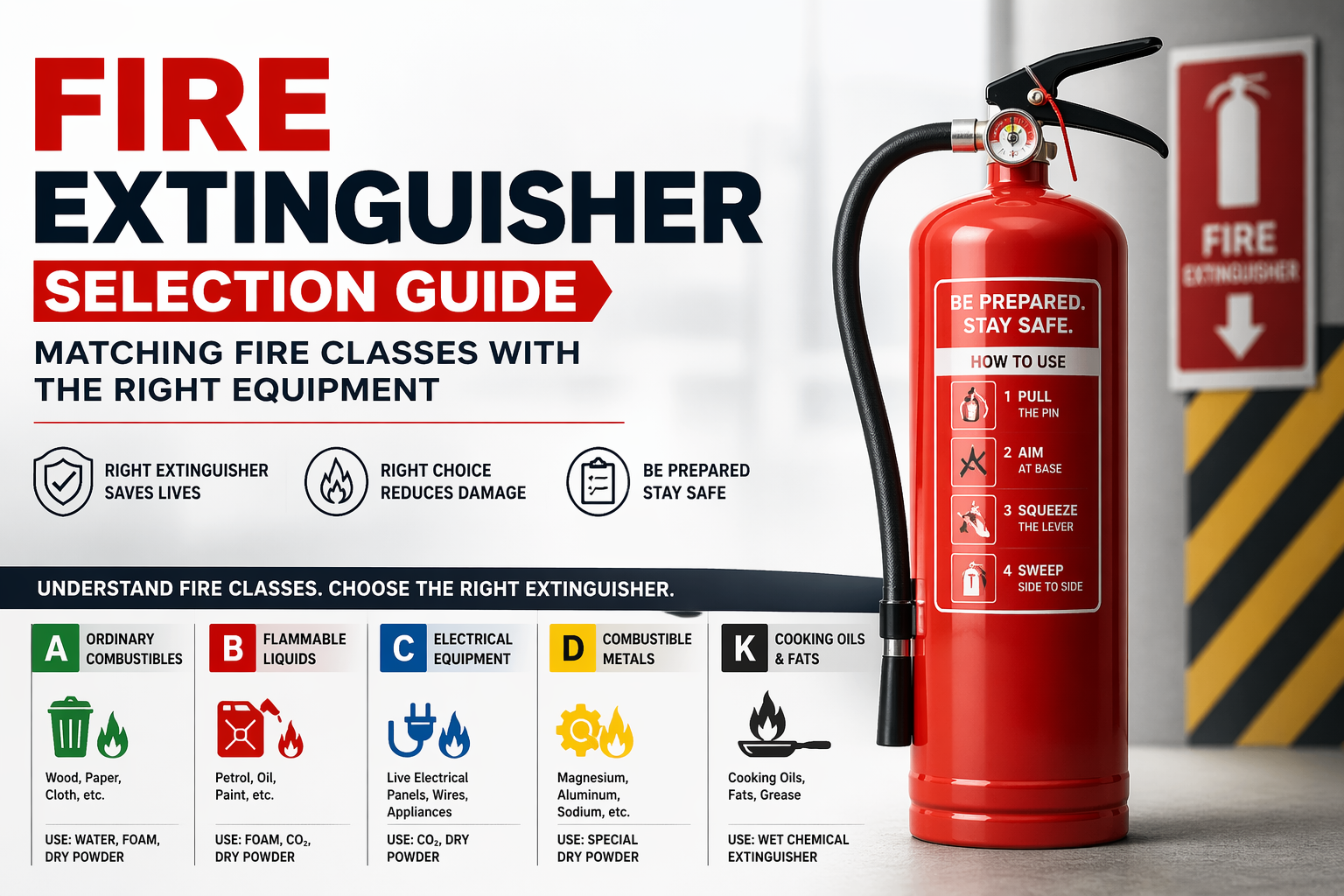
📊 Fire Classes and What They Mean

  • Class A – Ordinary combustibles (wood, paper, cloth)
  • Class B – Flammable liquids (petrol, diesel, paint)
  • Class C – Electrical fires (live equipment)
  • Class D – Metals (magnesium, aluminum)
  • Class K/F – Cooking oils and fats

Knowing this is the foundation of any fire classes and extinguishers chart—and without it, you’re just guessing.

Types of Fire Extinguishers and Their Uses

Now let’s match fire types with the right tools. Because choosing wrong isn’t just ineffective—it can be dangerous.

💧 Water Extinguishers

  • Best for: Class A fires
  • Avoid: Electrical and flammable liquid fires
  • Why: Water spreads liquid fires and conducts electricity

🌫️ Foam Extinguishers

  • Best for: Class A & B fires
  • Use case: Offices, warehouses
  • Why: Forms a blanket over flammable liquids

🧪 Dry Powder Extinguishers (ABC Type)

  • Best for: Multi-purpose use (A, B, C fires)
  • Most common in: Industrial and commercial areas
  • Why: Versatile and fast-acting

🍳 Wet Chemical Extinguishers

  • Best for: Kitchen fires (Class K/F)
  • Use in: Restaurants, canteens
  • Why: Cools and prevents re-ignition

How to Choose the Right Fire Extinguisher

Choosing isn’t random—it’s strategic. Here’s how to do it right:

1. Identify Your Risk Area

Is it an office? Warehouse? Kitchen? Electrical room? Each environment demands a different solution.

2. Understand the Fire Load

What materials are present? Paper? Chemicals? Oil? Electricity?

3. Check Compliance Requirements

Local fire safety laws often mandate specific extinguishers.

4. Train Your Team

Even the best extinguisher is useless if no one knows how to use it.

5. Keep It Accessible & Maintained

Blocked or expired extinguishers = zero protection.

This is the real essence of how to choose the right fire extinguisher—not just buying one, but choosing wisely.

The Biggest Mistake People Make

Buying a single extinguisher and assuming it covers everything.

Reality? It doesn’t. Different fire scenarios require different solutions. That’s why understanding fire extinguisher types for different fires is critical—not optional.

Real Talk: Why This Matters More Than You Think

Imagine this:

An electrical panel catches fire. Someone grabs a water extinguisher. Within seconds, it turns into a shock hazard.

Now imagine the same situation—with the right extinguisher. Contained. Controlled. No damage escalation.

That’s the power of the right choice.

Conclusion: Don’t Just Install—Understand

Fire safety isn’t about ticking a box—it’s about making the right decisions before a crisis hits.

This fire extinguisher selection guide isn’t just information—it’s a practical tool to protect lives, assets, and businesses. The right extinguisher, used correctly, can stop a disaster before it begins.

So next time you see a fire extinguisher on the wall, ask yourself:
“Is this the right one… for the fire I might face?”

Because in fire safety, the difference between having and having the right one is everything.

fire extinguisher failure reasons

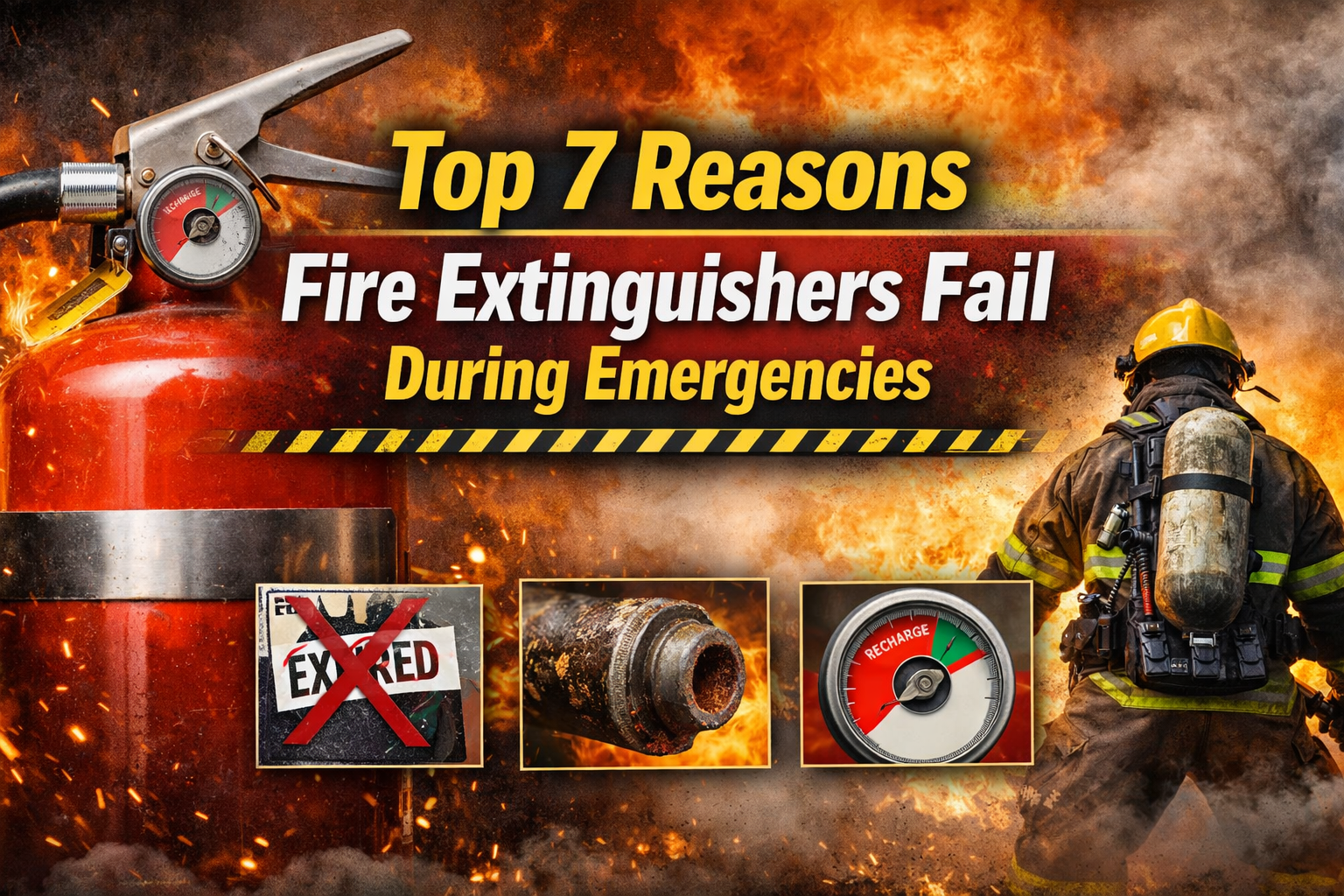
Top 7 Reasons Fire Extinguishers Fail During Emergencies

When a fire breaks out, a fire extinguisher is often the first line of defense. But what happens when it doesn’t work? Understanding the fire extinguisher failure reasons can be the difference between a small incident and a devastating disaster. Many people assume extinguishers will always function perfectly, yet several hidden fire extinguisher failure reasons can render them useless at critical moments. Knowing these fire extinguisher failure reasons is essential for every home, office, and industrial space.

Let’s break down the most common causes and how you can avoid them.

1. Lack of Regular Maintenance

One of the biggest fire extinguisher maintenance issues is neglect. Extinguishers require periodic inspection to ensure they are fully functional. Without maintenance:

  • Pressure levels may drop
  • Seals can weaken
  • Internal components may corrode

Tip: Schedule monthly visual checks and annual professional servicing.

2. Expired or Outdated Equipment

Fire extinguishers don’t last forever. Over time, their effectiveness reduces due to:

  • Chemical degradation
  • Loss of pressure
  • Wear and tear

Ignoring expiry dates is one of the top fire extinguisher not working causes during emergencies.

3. Incorrect Type of Fire Extinguisher

Not all fires are the same. Using the wrong extinguisher can make things worse. This is one of the key why fire extinguishers fail in emergencies scenarios:

  • Water extinguishers on electrical fires = dangerous
  • Foam on oil fires = ineffective

Tip: Always match extinguisher type (A, B, C, K) with fire risk.

4. Blocked or Damaged Nozzle

A clogged or damaged nozzle prevents the extinguishing agent from discharging properly. Common causes include:

  • Dust accumulation
  • Insect nests
  • Physical damage

This is among the most overlooked common fire extinguisher problems.

5. Loss of Pressure

Fire extinguishers rely on internal pressure to release the extinguishing agent. If pressure drops:

  • The extinguisher won’t discharge
  • The spray may be too weak

Checking the pressure gauge regularly helps avoid such fire extinguisher failure reasons.

6. Improper Storage Conditions

Where you store your extinguisher matters. Exposure to:

  • Extreme heat
  • Moisture
  • Direct sunlight

can damage internal components and reduce effectiveness. This contributes significantly to fire safety equipment failure reasons.

7. Lack of User Training

Even a perfectly working extinguisher can fail if the user doesn’t know how to operate it. Panic and improper handling lead to:

  • Delayed response
  • Incorrect usage technique

Remember the PASS method:

  • Pull the pin
  • Aim at the base
  • Squeeze the handle
  • Sweep side to side

Final Thoughts: Don’t Let Failure Cost You Everything

A fire extinguisher is only as reliable as the care and knowledge behind it. Most failures aren’t due to manufacturing defects—they’re preventable mistakes. By understanding these risks and taking proactive steps, you ensure your safety equipment works when you need it most.

Because in an emergency, seconds matter—and a failed extinguisher is not an option. Stay prepared, stay protected.

Fire safety system maintenance

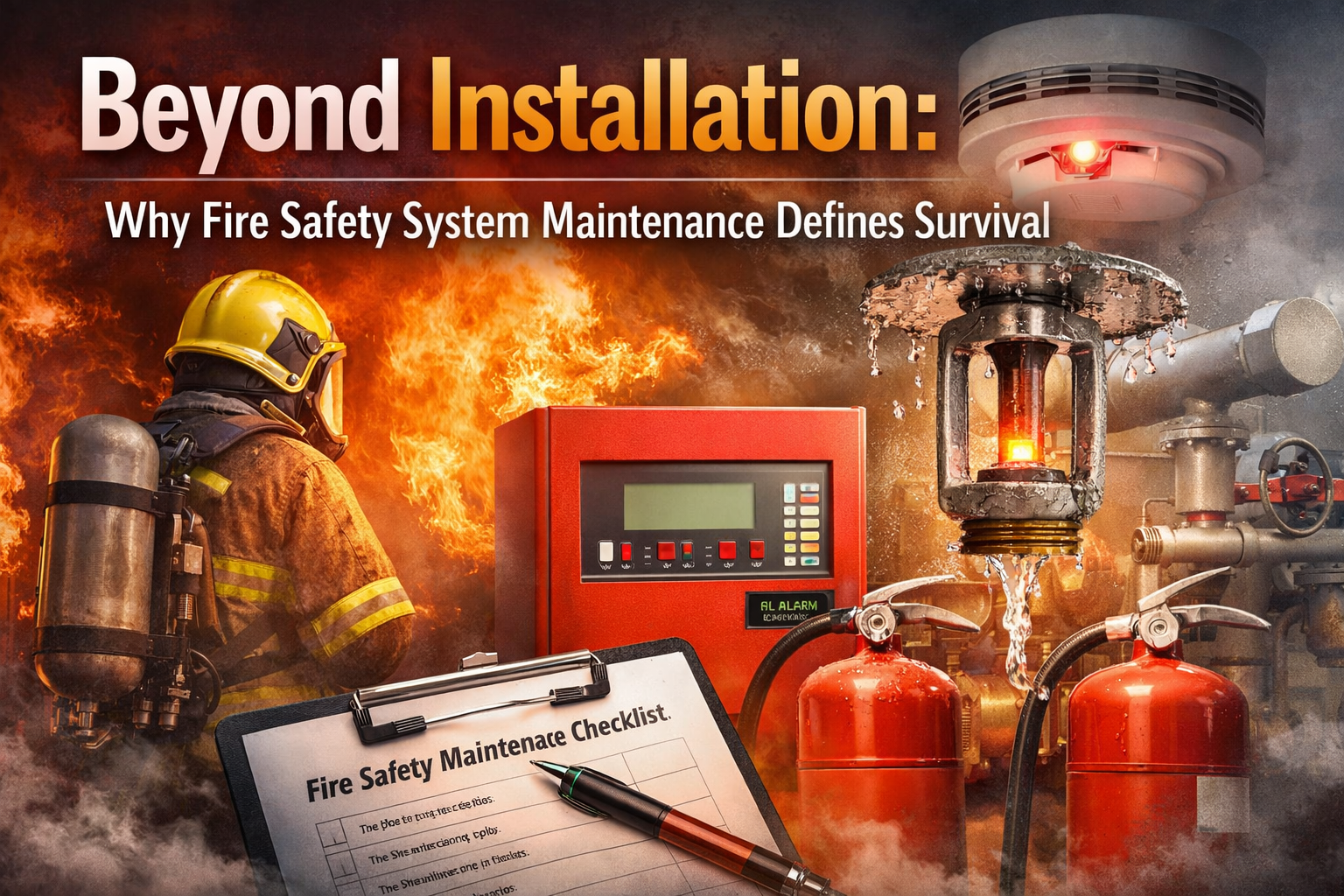
Beyond Installation: Why Fire Safety System Maintenance Defines Survival

Most organizations believe that once a fire protection system is installed, their responsibility ends there. But the reality is far more dangerous. Fire safety system maintenance is not just an optional task—it is the backbone of real protection. Without proper upkeep, even the most advanced systems can fail when they are needed the most. This is why fire safety system maintenance plays a critical role in ensuring safety, compliance, and survival during emergencies. Ignoring fire safety system maintenance can turn life-saving equipment into silent hazards waiting to fail.

Installation Is Just the Beginning

Installing fire safety systems such as alarms, sprinklers, and extinguishers is only the first step. Over time, these systems are exposed to dust, corrosion, electrical faults, and environmental wear and tear. Without regular checks, their efficiency drops significantly.

This is where the importance of fire safety system maintenance becomes clear. A well-maintained system ensures that every component—from sensors to suppression units—functions exactly as intended during a crisis.

Hidden Risks of Poor Maintenance

Neglected fire systems don’t just stop working—they create a false sense of security. Here are some common hidden risks:

  • Blocked sprinkler heads due to dirt or paint
  • Dead batteries in fire alarms
  • Corroded pipes and valves
  • Faulty detection sensors
  • Expired or under-pressurized extinguishers

These issues often go unnoticed until an actual emergency occurs. By then, it’s too late.

Regular fire protection system servicing helps identify and fix these problems before they escalate into disasters.

Why Maintenance Defines Survival

During a fire emergency, seconds matter. A delayed alarm or a failed sprinkler system can mean the difference between containment and catastrophe.

Here’s how maintenance directly impacts survival:

1. Immediate Detection

Properly maintained alarms detect smoke or heat instantly, giving occupants crucial time to evacuate.

2. Effective Fire Suppression

Well-serviced sprinkler systems activate without delay, controlling or extinguishing the fire before it spreads.

3. System Reliability Under Pressure

In emergencies, systems operate under extreme conditions. Only regularly maintained equipment can withstand this pressure.

This is why fire safety system maintenance is not just about compliance—it’s about saving lives.

The Role of Preventive Maintenance

Waiting for a system to fail is never a strategy. Preventive maintenance ensures issues are identified early and resolved before they become critical.

A strong preventive maintenance for fire systems approach includes:

  • Routine inspections
  • Performance testing
  • Cleaning and calibration
  • Replacement of worn-out parts
  • System upgrades when needed

Preventive care not only improves reliability but also extends the lifespan of fire safety equipment.

What Should a Maintenance Checklist Include?

A structured maintenance plan ensures nothing is overlooked. A proper fire safety equipment maintenance checklist should cover:

Following a checklist helps maintain consistency and ensures all critical components are regularly evaluated.

Critical Systems That Need Regular Attention

Certain fire safety components require special focus due to their importance:

-Fire Alarms

Regular testing ensures sensors and alert systems function correctly during emergencies.

-Sprinkler Systems

Clogged or damaged sprinklers can fail to activate, allowing fires to spread rapidly.

This is why fire alarm and sprinkler maintenance must never be ignored. These systems are often the first line of defense in any fire incident.

Compliance Is Not Enough

Many businesses treat fire safety as a compliance requirement rather than a safety priority. While certifications and approvals are important, they do not guarantee system readiness.

Real safety goes beyond pa perwork. It requires consistent monitoring, testing, and improvement. Maintenance ensures that systems are not just compliant—but truly functional when needed.

The Cost of Neglect

Skipping maintenance may save money in the short term, but the long-term consequences can be devastating:

  • Property damage worth millions
  • Business downtime and financial loss
  • Legal penalties and liabilities
  • Loss of human lives

Investing in maintenance is far more cost-effective than dealing with the aftermath of a fire disaster.

How Experts Make the Difference

Professional fire safety experts bring technical knowledge, advanced tools, and experience to the table. They can identify risks that are often missed during basic inspections.

Expert servicing ensures:

  • Accurate fault detection
  • Compliance with safety standards
  • Reliable system performance
  • Peace of mind for occupants and management

Conclusion

Fire safety does not end with installation—it begins there. Systems that are not maintained properly can fail silently, putting lives and property at serious risk. The difference between safety and disaster often lies in how well your systems are maintained.

Regular inspections, timely servicing, and a proactive approach ensure that your fire protection systems perform when it matters the most. In the end, it’s not just about equipment—it’s about preparedness, reliability, and survival.

Because when a fire strikes, only a well-maintained system can truly protect.

Hidden fire risk workplace

Case Study: The Hidden Fire Risk That Destroyed an Entire Workplace

A hidden fire risk workplace can silently exist in any organization, waiting to cause irreversible damage. In this case study, we uncover how a hidden fire risk workplace went unnoticed until it led to a devastating incident. This real-world example highlights how ignoring a hidden fire risk workplace can result in financial loss, operational shutdown, and risk to human lives.

The Incident: What Happened?

A mid-sized manufacturing unit was operating smoothly until a sudden fire broke out late in the evening. Within minutes, flames spread across the facility, damaging machinery, raw materials, and critical infrastructure.

The shocking part? The fire didn’t start from a major fault—it began from a small electrical issue that escalated due to poor safety measures.

Identifying the Workplace Fire Hazards

Post-incident analysis revealed multiple workplace fire hazards that had been ignored over time:

  • Overloaded electrical circuits

  • Improper storage of flammable materials

  • Lack of routine safety inspections

  • Absence of early warning systems

These risks are often overlooked but can quickly turn dangerous.

Common Causes of Office Fires

This case clearly reflects some of the common causes of office fires, including:

  • Electrical malfunctions

  • Negligence in equipment maintenance

  • Human error

  • Lack of awareness and training

Even a minor spark can escalate into a major disaster if preventive measures are not in place.

Where Fire Safety Failed

The biggest issue was poor fire safety in the workplace. The organization lacked:

  • Functional fire extinguishers

  • Smoke detection systems

  • Emergency evacuation plans

  • Trained personnel to handle fire emergencies

Because of these gaps, the fire could not be controlled in its early stages.

Lessons in Industrial Fire Risk Prevention

This incident highlights the critical importance of industrial fire risk prevention. Businesses must:

  • Conduct regular fire audits

  • Install proper fire detection and suppression systems

  • Ensure electrical systems are maintained

  • Train employees on fire safety protocols

Ignoring these steps can lead to catastrophic outcomes.

Importance of Fire Safety Equipment

One of the biggest takeaways from this case study is the importance of fire safety equipment.

If the workplace had basic tools like fire extinguishers or sprinkler systems, the fire could have been controlled within seconds. Instead, the absence of such equipment allowed the fire to spread uncontrollably.

The Hidden Risk That Changed Everything

The real issue was a Hidden fire risk workplace condition—an unnoticed electrical fault combined with poor safety preparedness. Later analysis confirmed that this Hidden fire risk workplace could have been easily identified and fixed during routine inspections.

Conclusion

This case study serves as a powerful reminder that fire risks are not always visible—but their impact can be devastating. A small oversight can lead to massive losses, operational downtime, and even loss of life.

Businesses must prioritize fire safety, invest in the right equipment, and conduct regular risk assessments. Identifying and eliminating hidden risks today can prevent disasters tomorrow.

Don’t wait for a fire to expose your vulnerabilities—act before it’s too late.

Fire Safety Compliance Audit

Fire Safety Compliance Audits: How They Prevent Major Industrial Disasters

Industrial fires can cause severe damage to businesses and put employees at serious risk. Many industrial disasters occur because safety hazards are ignored or safety systems are not properly maintained. This is why a Fire Safety Compliance Audit plays a crucial role in industrial safety management. A Fire Safety Compliance Audit helps organizations identify hidden fire hazards and evaluate whether their safety systems meet regulatory standards. By conducting a Fire Safety Compliance Audit, industries can detect risks early and implement preventive measures before a minor issue becomes a major disaster.

Modern industries operate with complex machinery, electrical systems, and flammable materials. Without regular safety checks, these environments can quickly become high-risk zones.

What is a Fire Safety Compliance Audit?

A fire safety audit is a systematic evaluation of an organization’s fire protection systems, emergency preparedness, and overall safety practices. It helps industries ensure that their facilities follow proper fire safety standards and regulations.

During an audit, experts inspect fire detection systems, firefighting equipment, evacuation plans, and electrical installations. They also check whether employees are trained to respond to fire emergencies.

Industries that conduct regular audits maintain stronger Industrial Fire Safety Compliance, which helps them reduce risks and operate safely.

Common Causes of Industrial Fires

Many industrial fires occur due to preventable safety failures. These incidents often happen because of poor maintenance, human error, or ignored warning signs.

Some common causes include:

-Electrical short circuits

-Overloaded power systems

-Improper storage of flammable materials

-Lack of employee safety training

-Blocked emergency exits

Regular safety reviews help organizations detect these risks early and avoid serious incidents.

Key Areas Checked During Fire Safety Audit for Factories

A professional Fire Safety Audit for Factories evaluates several important safety components within the facility.

-Fire Detection Systems

Smoke detectors, heat detectors, and alarm systems must function properly to provide early warnings. Auditors check whether these systems are correctly installed and regularly tested.

-Fire Protection Equipment

Fire extinguishers, hydrants, and sprinkler systems are inspected to ensure they are accessible and fully operational. Proper maintenance records are also verified.

-Emergency Evacuation Plans

Every industrial facility must have a clear evacuation strategy. Auditors review exit routes, signage, assembly points, and evacuation drills to ensure employees can safely exit during emergencies.

-Electrical Safety

Electrical faults are one of the most common fire hazards in industries. Auditors inspect wiring systems, electrical panels, and equipment maintenance to reduce the risk of short circuits.

Importance of Fire Safety Regulations

Governments enforce strict Fire Safety Regulations for Industries to prevent catastrophic incidents. These regulations require industries to install fire protection systems, conduct regular safety checks, and train employees in emergency procedures.

Compliance with these regulations ensures safer workplaces and helps organizations avoid penalties or legal issues.

Role of Industrial Fire Risk Assessment

An important part of any safety audit is Industrial Fie Risk Assessment. This process identifies potential fire hazards within the workplace and evaluates how likely they are to cause damage.

Risk assessments help organizations prioritize improvements. For example, outdated electrical systems or improper chemical storage may require immediate corrective action.

By addressing these risks early, industries can significantly reduce the chances of fire emergencies.

Workplace Fire Safety Inspection for Continuous Safety

Routine Workplace Fire Safety Inspection helps maintain safety standards even after an audit is completed. These inspections ensure that fire protection equipment remains functional and safety procedures continue to be followed. Regular inspections also help employees stay aware of fire prevention practices and emergency response procedures.

How Fire Safety Audits Prevent Industrial Disasters

Fire safety audits play a vital role in preventing large-scale industrial disasters. They help organizations identify risks before they escalate into emergencies.

Some key benefits include:

  • Early detection of fire hazards

  • Improved emergency preparedness

  • Proper maintenance of fire protection systems

  • Compliance with safety regulations

  • Protection of employees and infrastructure

Industries that prioritize safety audits create a safer working environment and reduce the likelihood of costly accidents.

Conclusion

Major industrial fires rarely occur without warning. In most cases, small safety issues exist long before the disaster happens. A well-planned Fire Safety Compliance Audit helps industries identify these hidden dangers and correct them before they lead to serious consequences.

Instead of reacting after an accident, organizations must focus on prevention through regular audits and safety evaluations. When industries prioritize fire safety compliance, they protect not only their infrastructure and operations but also the lives of their employees. In today’s high-risk industrial environments, proactive fire safety audits are the key to preventing tomorrow’s disasters.