fire sprinkler system

How Fire Sprinkler System Can Control Fire in Just Seconds

Imagine this: a small spark turns into flames, smoke begins to rise, and before anyone can react—one fire sprinkler system activates instantly. Within seconds, it releases water directly onto the heat source, stopping the flames from spreading. This powerful fire sprinkler system doesn’t wait for a fire to grow. Instead, it detects danger instantly and takes action faster than any human could. That is the real strength of a fire sprinkler system, making it one of the most trusted safety solutions for homes, offices, and industries.

How Fire Sprinklers Work to Stop Fire Instantly

Many people think all sprinklers in a building go off at once—not true! Only the sprinkler near the fire activates. This is how fire sprinkler system technology is designed to be smart and efficient. When heat reaches around 68°C, the heat-sensitive bulb inside the automatic fire sprinkler bursts and releases water directly onto the fire. This quick reaction helps to stop fire before it grows into something unmanageable.

Sprinklers don’t just control fire—they prevent panic, protect property, and save lives.

Why Sprinklers Are Faster Than Firefighters

Firefighters typically take a few minutes to arrive after the alarm. But a sprinkler reacts instantly, even before the alarm rings. This is why it’s considered one of the best fire safety equipment options for both residential and commercial spaces.

Once activated, it cools down the flames, reduces smoke, and stops fire from spreading to nearby rooms or floors. In many cases, only a single sprinkler head is enough to manage the situation.

The Benefits of Fire Sprinklers

There are many benefits of fire sprinklers, and the biggest one is automatic fire control without human action. No need to find fire extinguishers or search for help—a sprinkler takes charge immediately. They are affordable, low maintenance, and highly effective. Insurance companies even offer discounts for buildings with sprinklers due to their high safety rating.

Fire Sprinklers: A Reliable Fire Protection System

A good fire protection system should be fast, automatic, and reliable—and sprinklers do exactly that. Whether it’s a home kitchen, a hotel, office building, or warehouse, fire sprinklers stand guard 24/7. They don’t sleep, they don’t panic, and they never get tired.

Conclusion

One small sprinkler. One big impact. In just a few seconds, it can control what could become a major disaster. Installing a fire sprinkler system is not just a safety choice—it’s a smart decision that protects lives, property, and peace of mind.

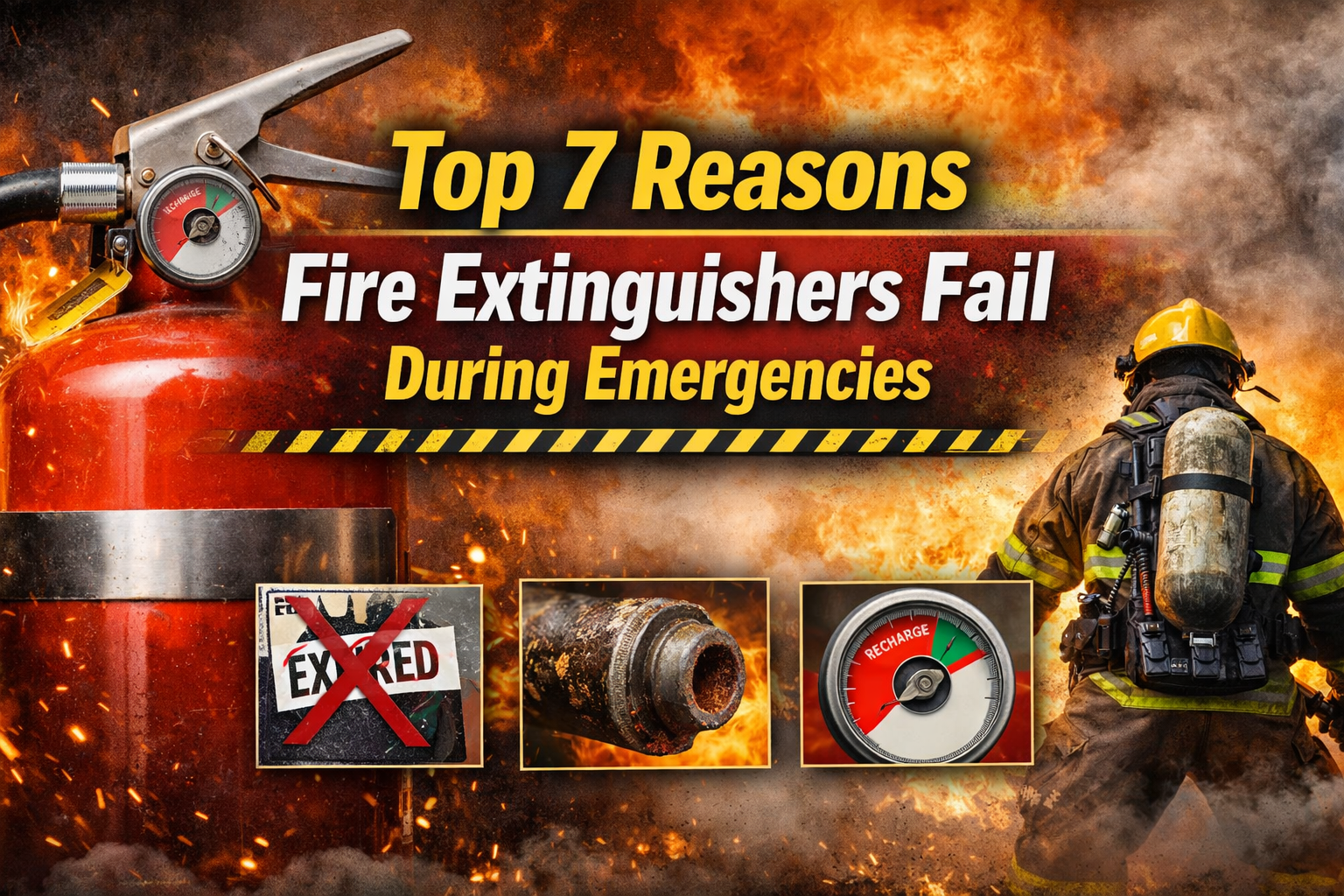
Fire Extinguisher

Fire Extinguisher: Protecting Your Home, Office & Workplace

When it comes to protecting lives and property, Fire extinguisher safety is not just an option—it’s a necessity. Whether you are at home, in the office, or at any workplace, Fire extinguisher safety plays a vital role in preventing small fires from turning into major disasters. Many people ignore basic Fire extinguisher safety, but it is one of the simplest and most effective ways to control fire incidents before they get out of hand. Having the right fire extinguisher can be the difference between a minor spark and a major tragedy.

Why Fire Extinguishers Matter Everywhere

A fire can break out anywhere—kitchen, electrical room, warehouse, or the workplace. That’s why understanding the Importance of fire extinguisher at home is crucial. In just a few seconds, a small flame can grow into a dangerous fire. A fire extinguisher, when used correctly, can stop a fire in its early stage and save lives, property, and valuables.

Types of Fire Extinguishers You Should Know

Not all fire extinguishers are designed for the same purpose. Knowing the Types of fire extinguishers helps in choosing the right one for your location.

-Water Fire Extinguisher – Best for paper, cloth, and wood fires.

-Foam Fire Extinguisher – Suitable for flammable liquids.

-CO₂ Fire Extinguisher – Ideal for electrical fires.

-Dry Powder Fire Extinguisher – Works on gas, liquid, and electrical fires.

-Wet Chemical Fire Extinguisher – Designed for kitchen oil and grease fires.

Having the right extinguisher type ensures maximum protection and prevents further damage.

Fire Extinguishers in Workplaces

Every office, shop, or commercial space must be equipped with Workplace fire safety equipment. Fire extinguishers should be placed at visible and accessible spots. Employees should be trained on how to use them, and regular safety inspections should be done. Fire extinguishers act as the first line of defense before fire alarms, sprinklers, or emergency teams arrive.

Fire Prevention Tips for Office Safety

Following simple Fire prevention tips for office can reduce the risk of fire accidents:

✔ Regularly check electrical wiring and equipment
✔ Avoid overloading sockets and extension cords
✔ Keep fire exits clear and functional
✔ Train employees to use fire extinguishers
✔ Install reliable fire detection and alarm systems

These small steps can lead to big safety results.

Fire Safety at Home

When it comes to Home fire protection solutions, installing fire extinguishers in the kitchen, garage, and near electrical panels is essential. Most home fires start in the kitchen due to cooking oil, gas leaks, or faulty appliances. With a fire extinguisher nearby, you can stop a fire before it spreads.

Final Thoughts

A fire does not knock before it strikes. But being prepared is in our hands.Whether it’s your home, office, or workplace — a fire extinguisher is not just a safety tool, it’s a life-saving shield. Investing in one today means protecting your tomorrow.Stay alert. Stay equipped. Stay safe!

Fire hydrant system maintenance

Why Regular Fire Hydrant System Maintenance is Crucial

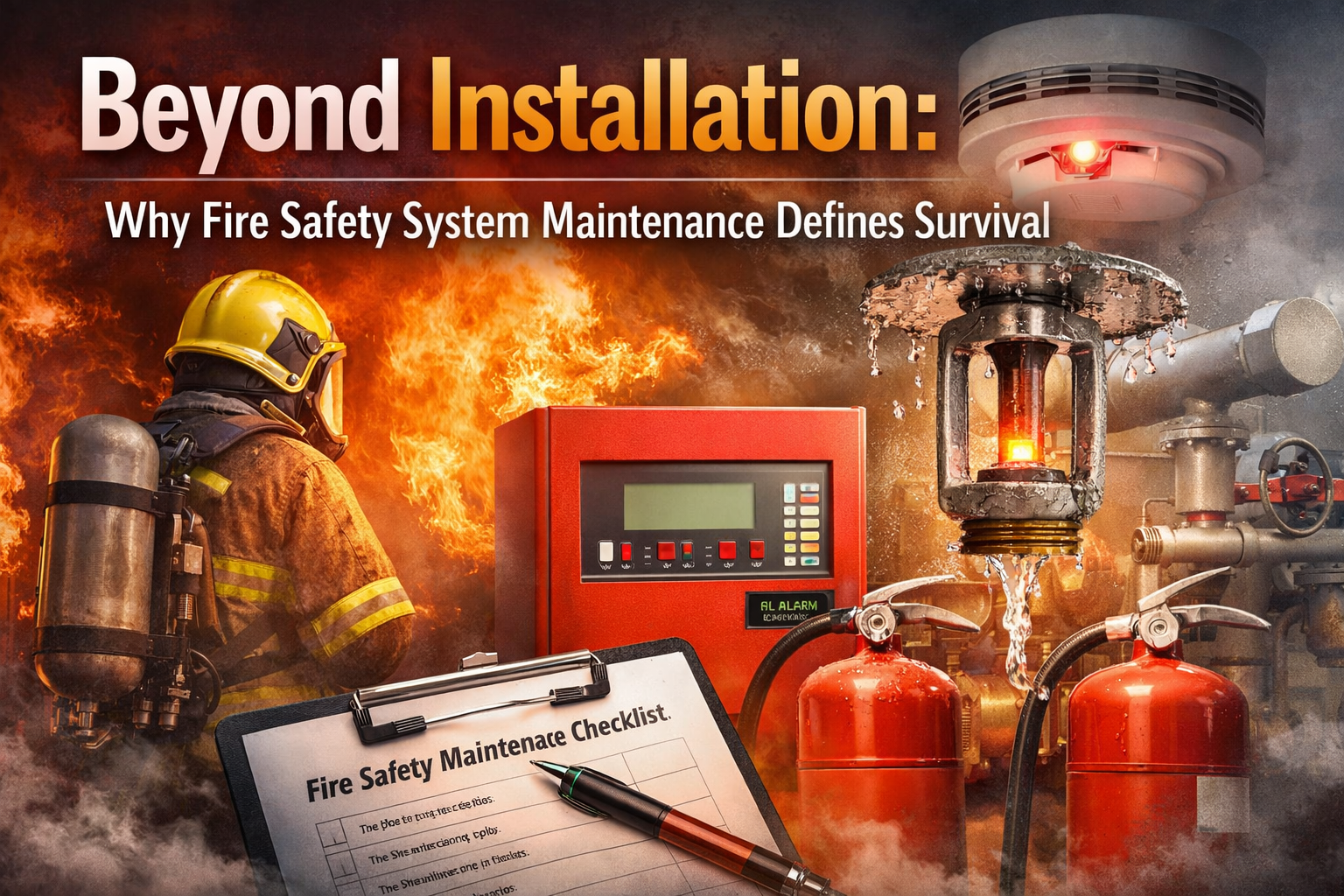
When it comes to protecting lives and property, Fire hydrant system maintenance plays a crucial role in ensuring that emergency response systems work flawlessly during a fire outbreak. Without proper Fire hydrant system maintenance, even the most advanced fire safety setup can fail at a critical moment. Regular Fire hydrant system maintenance not only keeps your building ready for emergencies but also ensures compliance with essential safety regulations. In addition, routine hydrant system inspection, fire protection maintenance, annual fire safety audit, and fire hydrant testing and servicing form the backbone of effective fire safety compliance — helping organizations stay both safe and legally compliant.

The Importance of Hydrant Systems in Fire Safety

A fire hydrant system is often the first line of defense during a fire emergency. It provides firefighters with immediate access to water, allowing them to tackle flames before they spread. However, these systems are only reliable if they are regularly maintained. Corrosion, leakages, and pressure irregularities can develop over time, rendering hydrants ineffective when they are needed most.

That’s why timely Fire hydrant system maintenance ensures every component—from pipes and valves to pressure gauges and pumps—remains in working condition, minimizing fire risks and ensuring readiness in any emergency.

Legal and Safety Compliance: A Non-Negotiable Factor

In India, fire safety regulations under the National Building Code (NBC) and local fire authorities mandate routine checks and certifications for hydrant systems. Failing to meet these requirements can result in penalties, closure notices, or even liability in case of a fire.

Organizations that prioritize Fire hydrant system maintenance not only protect their employees and assets but also demonstrate their commitment to fire safety compliance. A well-maintained system also makes it easier to pass annual audits and obtain safety certifications without last-minute hassles.

Steps to Ensure Proper Fire Hydrant System Maintenance

To maintain a reliable system, it’s essential to follow a structured maintenance plan:

  • Monthly Inspections: Check water pressure, valve operation, and overall system integrity.

  • Quarterly Servicing: Flush out debris, clean filters, and ensure hydrants are free from rust or blockages.

  • Annual Testing: Conduct a comprehensive flow test and pressure check to verify system performance.

  • Professional Servicing: Hire certified fire safety professionals for hydrant system inspection and fire hydrant testing and servicing to ensure compliance with all standards.

Routine fire protection maintenance not only ensures operational efficiency but also extends the life of your system and reduces long-term costs.

The Cost of Neglecting Fire Hydrant System Maintenance

Neglecting maintenance can have devastating consequences. A malfunctioning hydrant during an emergency can lead to uncontrolled fire spread, property loss, and even fatalities. Moreover, companies can face legal action and reputational damage for failing to maintain safety systems.
A small investment in regular servicing can prevent massive losses and ensure your facility remains prepared for any fire-related emergency.

Conclusion: Stay Safe, Stay Compliant

In the world of fire safety, prevention is always better than reaction. Regular Fire hydrant system maintenance is not just a legal obligation—it’s a moral responsibility to safeguard lives, assets, and your organization’s reputation. By scheduling timely inspections, audits, and servicing, you ensure your fire safety infrastructure stands strong when it matters the most.When it comes to fire protection, compliance begins with maintenance—and maintenance begins today.

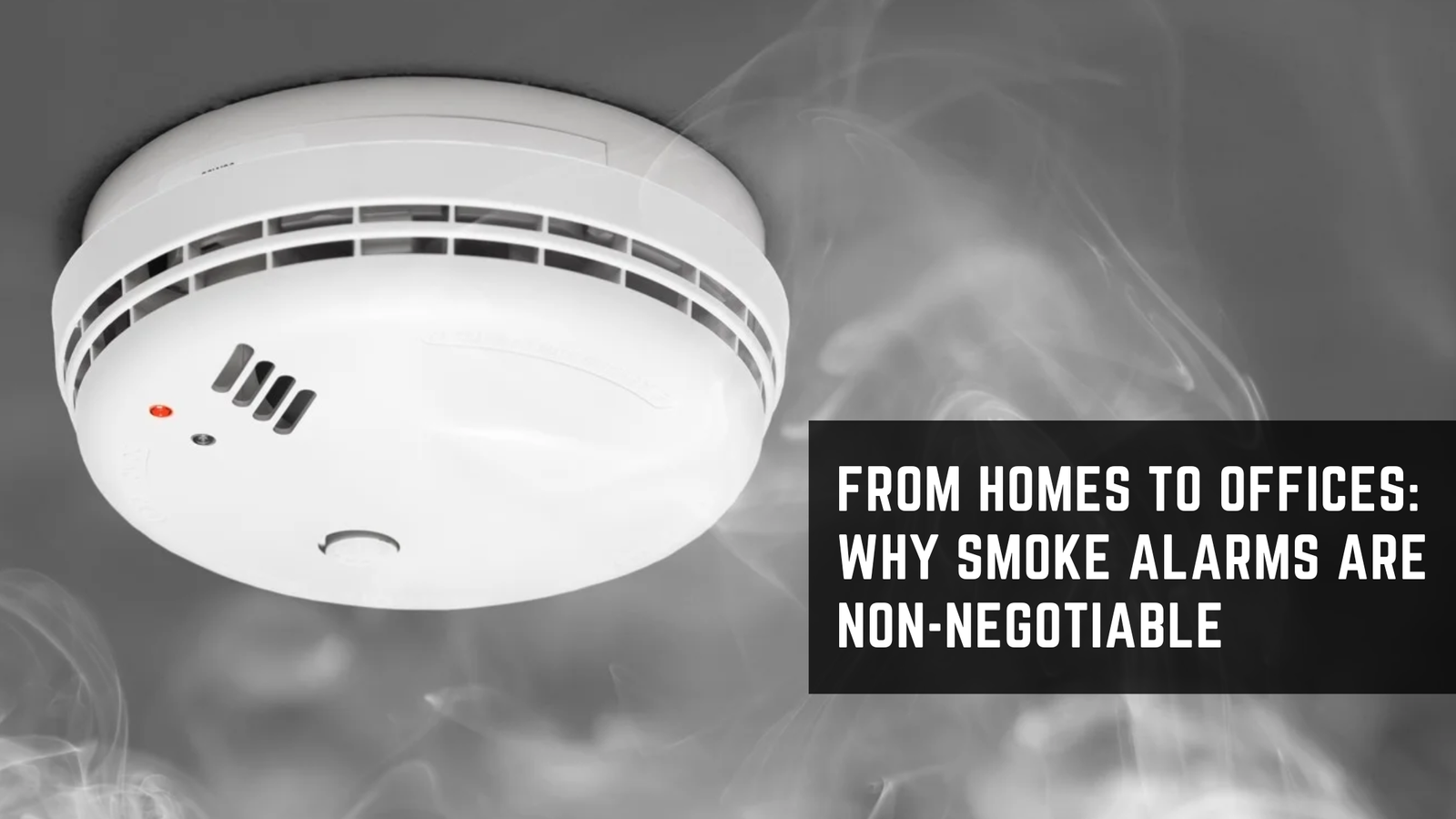
How Often Should You Test and Replace Smoke Alarm System?

When was the last time you checked your smoke alarm system? Most people forget it even exists—until it’s too late. A smoke alarm system isn’t just another device on your ceiling; it’s your silent guardian, your first line of defense when a fire breaks out. Whether it’s at home, in an office, or in an apartment, a properly functioning smoke alarm system can mean the difference between a close call and a tragedy. Unfortunately, many homeowners overlook routine testing and replacement, putting lives and property at unnecessary risk.

Why Testing Your Smoke Alarms Matters

The importance of smoke alarms cannot be overstated—they’re designed to detect danger before you even see smoke. According to fire safety experts, a working alarm can cut the risk of death in a house fire by more than half.
But the question is—how often should you test smoke alarms?

Experts recommend testing your smoke alarms at least once every month. Testing ensures the sensors, sounders, and power sources are all functioning correctly. Over time, dust, insects, or weak batteries can interfere with performance, making smoke detector maintenance crucial for your safety.

How to Test Smoke Alarm: A Step-by-Step Guide

Learning how to test smoke alarm devices is simple and takes less than five minutes. Here’s how to do it properly:

  1. Press and hold the test button on your alarm until you hear a loud siren.

  2. If the sound is weak or doesn’t activate, replace the batteries immediately.

  3. For interconnected systems, ensure all alarms in the network sound simultaneously.

  4. Use smoke simulation spray (available in safety stores) once or twice a year to test the sensors’ responsiveness.

Testing regularly gives you peace of mind, knowing that your fire safety equipment for home is reliable and ready to alert you in an emergency.

When to Replace Smoke Alarm Systems

Even the best alarms have a lifespan. Most devices are designed to work effectively for 8 to 10 years, after which their sensors start losing sensitivity. If you’re wondering when to replace smoke alarm, check the manufacturer’s date printed on the back of the device. If it’s over a decade old—replace it immediately.

Additionally, replace batteries once every 6 months, or sooner if your alarm gives out short beeps, which indicate a low battery. For lithium-powered smoke alarms, replacement might only be needed every 10 years, but regular checks are still essential.

Maintenance Tips to Keep Your Smoke Alarms Effective

Routine smoke detector maintenance ensures your alarms are always in working condition. Follow these easy tips to extend their life and efficiency:

  • Clean your alarms with a vacuum brush or soft cloth every 3 months to remove dust.

  • Keep them away from vents and fans, which can affect smoke detection.

  • Install alarms in key areas — bedrooms, hallways, kitchens, and near staircases.

  • Test monthly and replace batteries during daylight saving time changes (a great reminder).

Good maintenance ensures your fire safety equipment for home performs exactly when it’s needed most.

Why You Should Never Ignore a Beeping Alarm

That occasional “chirp” sound isn’t just annoying—it’s a warning. It might mean your battery is dying, or the system is reaching its end of life. Ignoring these signals could lead to disaster. Remember, the importance of smoke alarms lies in their ability to save lives—not just detect smoke. A few minutes spent maintaining them can prevent hours of heartbreak later.

Conclusion: A Small Habit That Saves Lives

In a world full of smart gadgets, none are as vital as your smoke alarm system. Regular testing, timely replacement, and proper maintenance form the foundation of any solid home safety plan. Take a few minutes every month to ensure your alarms are working—it’s a simple habit that could one day save your family, your property, and your peace of mind.

Make safety your priority. Check your smoke alarms today!

foam fire supression system

Why Every Factory Needs a Foam Fire Suppression System Today?

In today’s fast-paced industrial world, fire safety is no longer optional—it’s a necessity. Every second counts when a fire breaks out, and that’s where a Foam Fire Suppression System becomes a true lifesaver. Modern factories deal with flammable materials, machinery, and electrical equipment, all of which can turn a small spark into a large blaze within minutes. A Foam Fire Suppression System not only extinguishes flames rapidly but also prevents re-ignition, ensuring complete safety for people, property, and production. In fact, installing a Foam Fire Suppression System today is one of the smartest investments a factory can make to protect lives and maintain business continuity.

Unlike traditional fire extinguishers or sprinklers, foam-based systems are designed for high-risk industrial settings. They release a thick blanket of foam that cools down the fire and cuts off the oxygen supply. This dual action makes them incredibly effective in controlling fires caused by oil, chemicals, and other flammable substances—common hazards in factories across the globe. The truth is simple: without a reliable Foam Fire Suppression System, a single incident can halt production for weeks, cause massive financial losses, and even endanger lives.

The Growing Importance of Fire Safety in Industries

The need for Industrial Fire Safety has grown significantly over the years. With the increasing use of complex machinery and hazardous chemicals, the margin for error has become dangerously thin. Factory owners can no longer rely solely on manual firefighting tools or staff response. An automated system like foam suppression ensures instant activation at the first sign of danger, minimizing damage before human intervention is even needed.

Furthermore, foam systems provide excellent coverage across large areas. Whether it’s a manufacturing unit, paint booth, or storage facility, they ensure uniform protection without gaps. By addressing fires at the source, they safeguard not only the factory structure but also valuable inventory and equipment.

Key Benefits of a Foam Fire Suppression System

1.Rapid Fire Control

Foam systems act within seconds, suppressing flames faster than water-based systems. The foam forms a thick layer over the burning material, blocking oxygen and stopping the fire instantly.,/p>

2.Minimized Downtime

After a fire, resuming operations quickly is critical. Since foam leaves less residue than powders or chemicals, cleanup is easier, helping factories return to normal faster.

3.Automatic Activation

Modern systems come equipped with Automatic Fire Suppression technology. They detect heat or smoke and activate automatically, ensuring protection even when no one is around.

4.Protection for Sensitive Equipment

Foam is non-corrosive and safe for most machinery and electronics, making it ideal for industrial plants where sensitive devices are used.

5.Eco-Friendly and Cost-Effective

Compared to other chemical extinguishing agents, foam is environmentally friendly and cost-efficient in the long run. It reduces fire damage, lowering insurance premiums and repair costs.

Why Factory Fire Protection Should Be a Priority

Every factory is vulnerable to fire, regardless of its size or industry. However, the right Factory Fire Protection measures can drastically reduce the risks. Foam fire systems are designed to tackle the types of fires most common in factories—Class A (ordinary combustibles) and Class B (flammable liquids). From warehouses to production floors, they offer versatile protection that other systems simply can’t match.

Moreover, integrating foam systems with other Fire Safety Equipment such as detectors and alarms creates a robust safety network. This layered approach ensures that any fire outbreak is detected, controlled, and extinguished before it spreads.

Preventing the Unthinkable

When it comes to Fire Prevention in Industries, proactive measures always outweigh reactive solutions. Fires don’t just destroy property—they can claim lives, disrupt supply chains, and harm a company’s reputation. A small investment in fire suppression today can save millions tomorrow. Installing a foam system demonstrates a factory’s commitment to employee safety and environmental responsibility.

The Bottom Line: Safety is Not Optional

In an industrial setting, time and safety are everything. A Foam Fire Suppression System isn’t just another piece of equipment—it’s a vital shield that stands between your business and potential disaster. By investing in advanced fire protection technology, you’re not only complying with safety standards but also protecting your workforce, assets, and future.

If you haven’t yet upgraded your factory’s fire protection plan, now is the time. Don’t wait for a tragedy to highlight the importance of safety—take action today.

fire sprinkler system

Top 5 Benefits of Installing Fire Sprinklers System

When it comes to ensuring fire safety in buildings, installing a Fire Sprinkler System is one of the smartest and most cost-effective decisions any business can make. A Fire Sprinkler System not only provides immediate response during a fire emergency but also minimizes damage, safeguards lives, and helps meet legal safety standards. In today’s fast-paced commercial environments, every second counts — and having a reliable Fire Sprinkler System in place can make all the difference between a contained incident and a devastating loss.

Whether you own an office, warehouse, or shopping complex, investing in a robust sprinkler system is a key part of responsible Commercial Fire Protection. Let’s explore the top five benefits of installing fire sprinklers in commercial buildings and why every business should prioritize this essential safety feature.

1. Immediate Response and Automatic Activation

The biggest advantage of Automatic Fire Sprinklers is their quick, automatic response. Unlike manual firefighting methods that depend on human action, sprinklers detect heat and activate automatically. The moment a fire starts, these systems begin spraying water directly over the flames, effectively suppressing them before they spread.

This immediate reaction helps contain the fire in its early stages, minimizing potential injury and structural damage. In large commercial facilities where people may not instantly detect a fire, Automatic Fire Sprinklers provide crucial protection until emergency responders arrive.

2. Protects Lives and Reduces Fire-Related Injuries

When a fire breaks out in a commercial building, the safety of employees, visitors, and customers becomes the top priority. A properly installed Fire Sprinkler System can drastically reduce the risk of fatalities and injuries. Studies show that buildings equipped with sprinklers experience far fewer fire-related deaths compared to those without them.

By controlling the flames early, sprinklers allow occupants more time to evacuate safely. This proactive approach to Workplace Fire Prevention ensures that everyone in the building has a better chance of escaping unharmed — making it an essential investment in human safety.

3. Minimizes Property Damage and Business Losses

Fire incidents can cause massive financial losses, not only from property damage but also from downtime and disruption to business operations. A Fire Sprinkler System acts as the first line of defense, controlling fires before they escalate and cause extensive harm to assets, equipment, and infrastructure.

In most cases, sprinklers activate only in the area affected by the fire, limiting water damage while effectively extinguishing flames. This targeted response keeps repair costs low and enables businesses to resume operations quickly — a key factor in maintaining business continuity and reputation.

4. Low Maintenance and High Reliability

One of the most practical benefits of a Fire Sprinkler System is its low maintenance requirement. Once installed, these systems only need routine inspections and occasional testing to ensure proper function. Their reliability has been proven through decades of use in commercial, industrial, and residential settings.

Furthermore, modern sprinkler designs are aesthetically discreet and do not interfere with interior layouts or workplace aesthetics. For businesses that value both safety and style, fire sprinklers provide the perfect balance.

5. Compliance with Fire Safety Regulations

Every commercial building must adhere to fire safety codes and regulations set by local authorities. Installing a Fire Suppression System helps meet these requirements and ensures compliance with insurance and safety standards. Non-compliance can lead to fines, penalties, or even business closure.

Having a reliable sprinkler system not only satisfies legal obligations but also demonstrates your commitment to employee welfare and public safety. It reassures clients, visitors, and stakeholders that your facility prioritizes Fire Safety in Buildings.

Why Every Business Needs Fire Sprinklers

Many business owners underestimate how quickly a small fire can escalate. Even a short delay in response time can result in significant loss. Sprinklers provide around-the-clock protection — they never sleep, take breaks, or require manual operation. By ensuring immediate fire control, they save lives, reduce property loss, and strengthen your overall safety strategy.

Fire incidents can happen at any time, whether from electrical faults, kitchen mishaps, or flammable materials. With proper Commercial Fire Protection systems like sprinklers, you ensure that your business is always prepared.

Conclusion: A Smart Investment for Long-Term Safety

Installing a Fire Sprinkler System in your commercial building isn’t just about compliance — it’s about peace of mind. This single investment can prevent catastrophic losses, safeguard your people, and secure your property 24/7. In an age where safety equals sustainability, fire sprinklers stand as silent protectors, always ready to respond when it matters most.

Protect your workplace, your assets, and your future — invest in a reliable Fire Sprinkler System today and take the first step toward total fire protection.

Fire Safety Signs

The Role of Fire Safety Signs in Emergency Preparedness

In any workplace or public building, Fire Safety Signs play a critical role in ensuring the safety of occupants. These signs are not just mere visual aids; they are essential tools that guide people during emergencies, helping to prevent confusion and panic. From highlighting emergency exits to indicating fire-fighting equipment locations, Fire Safety Signs are indispensable in supporting an effective Emergency Preparedness strategy.

Properly designed and strategically placed signage helps individuals quickly locate escape routes, fire extinguishers, and first-aid equipment when every second counts. Businesses and organizations that prioritize clear and visible signage contribute significantly to overall Emergency Preparedness. A workplace without adequate fire safety signs risks delayed evacuations, increased injuries, and even fatalities during emergencies.

Types of Fire Safety Signs

There are several types of signs used to enhance safety and preparedness:

1.Emergency Preparedness Signs: These inform employees and visitors about safety protocols and emergency procedures. They often include instructions on what to do in case of a fire or other emergencies.

2.Fire Exit Signage: Highlighting exit routes is critical. These signs guide people to the nearest safe exit, ensuring orderly evacuation.

3.Workplace Safety Signs: These cover general safety rules in the workplace, including fire hazards, prohibited areas, and emergency contacts.

4.Fire Evacuation Plan Displays: Often posted on walls in strategic areas, these plans provide a visual layout of escape routes and assembly points, enabling quick and safe evacuations.

Importance of Safety Sign Compliance

Ensuring Safety Sign Compliance is not only a legal requirement in many countries but also a crucial aspect of risk management. Compliant signage guarantees that signs are visible, understandable, and consistent with safety standards. Regular inspections and updates to these signs ensure that new hazards are addressed, and employees remain aware of evolving emergency protocols.

Incorporating Fire Safety Signs into a comprehensive fire safety program promotes awareness, reduces response time, and can significantly decrease potential injuries or property damage during emergencies. Moreover, integrating these signs with fire drills and employee training reinforces their effectiveness, ensuring everyone knows how to react appropriately in a real emergency.

Conclusion

Ultimately, Fire Safety Signs are far more than simple visual cues; they are life-saving tools essential for effective Emergency Preparedness. By investing in proper signage, maintaining Safety Sign Compliance, and educating employees about their meanings and locations, organizations can create safer environments. Remember, in an emergency, clear guidance can make the difference between a safe evacuation and a chaotic situation. Ensuring the visibility and clarity of Fire Exit Signage, workplace safety signs, and fire evacuation plans should always be a top priority for any organization committed to protecting lives.

Kitchen supression system

Reliable Kitchen Fire Suppression System

A kitchen is the heart of any restaurant or food business—but it’s also one of the most fire-prone areas. With heat, oil, and open flames all working together, the risk of fire accidents is always high. That’s why every professional kitchen needs a Kitchen Fire Suppression System—a proven, automatic solution that detects and extinguishes fires before they spread. Installing a Kitchen Fire Suppression System ensures that your cooking space stays protected, your staff remains safe, and your business operations continue without interruption. Whether it’s a small eatery or a large-scale food chain, a Kitchen Fire Suppression System is not just a safety measure—it’s a mandatory protection layer for every commercial kitchen setup.

Why Every Restaurant Needs a Kitchen Fire Suppression System

In commercial kitchens, fires can start unexpectedly—from overheated oil, electrical faults, or flammable vapors. A Commercial kitchen suppression system is designed to tackle these hazards instantly. It uses advanced sensors to detect fire early and releases a special extinguishing agent that suppresses flames quickly without damaging equipment or contaminating food surfaces.

Traditional fire extinguishers might work manually, but suppression systems act automatically, saving crucial seconds during emergencies. This immediate response minimizes property damage, prevents downtime, and safeguards employees and customers alike.

How a Commercial Kitchen Suppression System Works

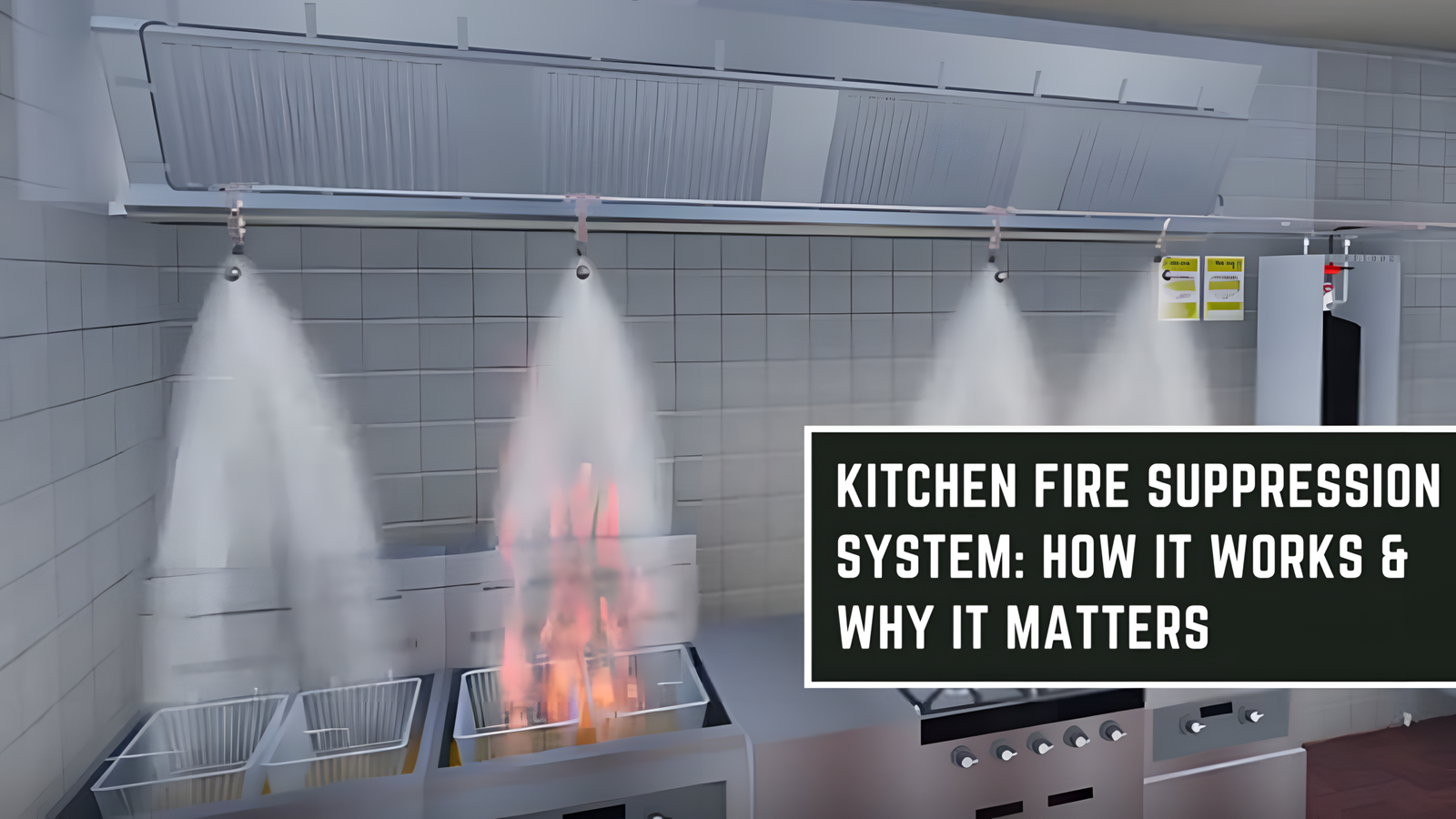
A Commercial kitchen suppression system typically includes heat sensors, detection nozzles, and an automatic agent discharge unit connected to your cooking range or hood. When excessive heat or flames are detected, the system activates instantly—shutting down fuel lines and spraying a wet chemical agent that quickly cools surfaces and prevents re-ignition.

The agent forms a protective layer over grease surfaces, effectively stopping the fire from restarting. This automatic action ensures that even if no one is around, your kitchen remains safe and your equipment stays intact.

Benefits of Restaurant Fire Suppression Solutions

-24/7 Protection: Continuous monitoring ensures immediate response during any fire emergency.

-Minimal Damage: Unlike traditional water sprinklers, these systems minimize mess and damage.

-Regulatory Compliance: Installing Restaurant fire suppression solutions helps meet NFPA and local safety standards.

-Ease of Maintenance: Periodic inspections keep the system reliable and performance-ready.

-Business Continuity: Reduces downtime and costly repairs after fire incidents.

Why Choose Automatic Kitchen Hood Suppression

Modern kitchens rely heavily on hoods for ventilation and safety. An Automatic kitchen hood suppression system is integrated directly into your kitchen hood, ensuring fires are controlled at their source. It detects heat, triggers the chemical discharge, and cuts off fuel supply automatically. This makes it ideal for busy restaurants where rapid cooking and high temperatures are part of daily operations.

Installing an Automatic kitchen hood suppression system demonstrates your commitment to safety, compliance, and employee well-being—while also protecting your investment and reputation.

Protect your kitchen, ensure safety and stay compliant with a reliable Kitchen Fire Suppression System. Trusted by professionals – Oustfire, your trusted partner in fire safety.

fire alarm system installation

Top 5 Mistakes to Avoid When Installing Fire Alarm Systems

When it comes to protecting lives and property, fire alarm system installation is one of the most critical steps every business and homeowner must take. A properly planned fire alarm system installation ensures that hazards are detected quickly, giving people the precious time they need to act. However, many mistakes during fire alarm system installation can weaken the system’s effectiveness, compromise safety, and even put you at risk of legal penalties. By understanding these errors, you can avoid costly setbacks and ensure your fire alarms work when it matters most.

In this blog, we’ll highlight the top five mistakes to avoid when installing fire alarm systems, along with practical tips to ensure your setup is both reliable and compliant.

1. Ignoring Fire Safety Compliance

One of the biggest mistakes during fire alarm installation is neglecting fire safety compliance. Every country and state has strict regulations regarding fire alarm placement, system design, and installation procedures. Failing to follow these codes not only risks fines and legal consequences but also puts lives at stake.

Before you begin installation, consult local fire codes and building standards. Hiring a certified installer ensures that your fire alarm system aligns with all compliance requirements. Proper documentation and compliance also protect you in case of audits or insurance claims.

2. Poor Planning of Device Placement

Many people underestimate the importance of strategic device placement in their fire protection system. Installing alarms too far from high-risk areas, like kitchens or electrical rooms, can delay detection. Similarly, placing alarms in areas prone to false triggers, such as near ventilation ducts, can cause unnecessary alarms and frustration.

To avoid this, start with a professional risk assessment. Identify high-risk zones and ensure alarms are positioned where smoke and heat are likely to travel. Proper placement guarantees faster response times and minimizes false alarms.

3. Neglecting Regular Fire Alarm Maintenance

Even the best fire alarm setup will fail if you ignore fire alarm maintenance. Over time, dust, electrical issues, and wear can reduce system sensitivity. A neglected system may not alert occupants in time during an emergency.

Establish a regular maintenance schedule, preferably with a certified service provider. This includes checking batteries, cleaning detectors, and ensuring wiring connections remain intact. By keeping up with maintenance, you extend the life of your fire alarms and ensure consistent reliability.

4. Overlooking the Role of Fire Alarm Testing

Another mistake is failing to conduct proper fire alarm testing after installation. Simply installing the system isn’t enough—you must verify that every device works correctly. Without testing, there’s no way to confirm that alarms, strobes, and control panels are operating as intended.

Testing should be carried out after installation and at regular intervals afterward. This step validates the system’s performance, helps identify potential faults, and ensures compliance with safety regulations.

5. Using Outdated or Inadequate Fire Safety Equipment

Investing in poor-quality or outdated fire safety equipment is another costly error. While it might seem like a budget-friendly option, cheap or obsolete devices often fail when needed the most. In today’s market, advanced alarm systems offer features such as wireless connectivity, smart monitoring, and integration with sprinklers or other protection devices.

Choose equipment that meets recognized safety standards and is suited to your building type. Partnering with trusted providers helps you avoid system failures and ensures your alarms remain effective for years to come.

Why Professional Support Matters

Avoiding these mistakes often requires expert knowledge and ongoing support. A professional installer ensures compliance, correct placement, and reliable integration of your fire protection system. Furthermore, experts can help you set up routine maintenance and guide you in choosing the best equipment for your needs.

At OustFire, we don’t just help with installation—we specialize in fire alarm repair and servicing to keep your systems running at peak performance. With our expertise, you can rest assured that your fire alarm systems remain reliable, compliant, and ready to protect.

Conclusion

Mistakes in fire alarm system installation can lead to devastating consequences, from non-compliance fines to system failure during emergencies. By prioritizing proper compliance, planning, maintenance, testing, and quality equipment, you can safeguard both lives and property. Don’t leave safety to chance—partner with trusted professionals who understand fire safety regulations and best practices.

Your fire alarm system is more than just an installation—it’s a life-saving investment. Make it count.

fire blanket

Fire Blankets : How They Work and When to Use Them

When it comes to fire safety, few tools are as simple yet effective as fire blankets. Unlike heavy extinguishers or complicated devices, fire blankets are easy to use, quick to deploy, and ideal for emergencies at home or the workplace. Whether in a kitchen, factory, or office, fire blankets provide a first line of defense that anyone can use in seconds. Their compact design makes them one of the most reliable and affordable fire safety solutions available today.

What Exactly Are Fire Blankets?

A fire blanket is a specially designed sheet made from fire-resistant materials such as fiberglass. It works by smothering flames and cutting off the oxygen supply, which is essential for fire to burn. This makes fire blankets extremely effective against small fires, particularly those caused by cooking oil, electrical sparks, or flammable liquids.

Unlike other fire safety equipment, fire blankets don’t require any maintenance or complicated instructions. All you need to do is pull it out of its case, cover the flames, and let the blanket do its job. This simplicity makes it a must-have tool in homes, restaurants, laboratories, and industrial spaces.

How Do Fire Blankets Work?

The mechanism of fire blankets is based on a simple principle—remove oxygen, and the fire cannot survive. Once placed over a fire, the blanket seals the flames, cooling them down and stopping them from spreading further.

This makes them especially useful for kitchen fire safety, where oil pan fires can spread quickly and cause severe damage. Using water in such situations is dangerous, but a fire blanket can instantly put out the flames without risk of splashing or spreading.

Fire blankets are also helpful in personal emergencies. For instance, if a person’s clothes catch fire, wrapping them in a fire blanket can prevent serious injuries and save lives. This unique application makes fire blankets not just a tool, but a fire emergency essential in every setting.

When Should You Use a Fire Blanket?

While fire blankets are highly effective, they are designed for small to medium fires. Here are the main situations when you should use one:

-Kitchen Fires: Fires caused by cooking oils, gas leaks, or electrical stoves can be controlled instantly.

-Clothing Fires: Wrapping a fire blanket around someone can stop flames on their body.

-Small Equipment Fires: Electrical appliances or machinery that suddenly catch fire can be covered before the flames spread.

However, if the fire has grown beyond a contained area, you should immediately evacuate and call the fire department. Fire blankets are designed as fire protection products for first response, not for large-scale firefighting.

Importance of Fire Safety Training

Having tools like fire blankets is important, but knowing how to use them effectively makes all the difference. Many people hesitate in emergencies because they are unsure of the right steps to take. This is where proper fire safety training plays a vital role.

Businesses, schools, and even households can benefit greatly from fire safety drills and awareness programs. Training ensures people know how to use a fire blanket confidently, along with other safety measures.

Why Fire Blankets Deserve a Place Everywhere?

Fire blankets stand out because of their versatility. They are easy to store, simple to use, and require no upkeep. Unlike fire extinguishers, they don’t expire, need refilling, or demand technical knowledge. This makes them perfect for homes, offices, hotels, restaurants, and industrial sites.

They also serve as an additional layer of protection when used alongside extinguishers and alarms. By equipping your space with fire blankets, you are not only complying with safety measures but also ensuring peace of mind for your family, employees, or customers.

Conclusion: Small Tool, Big Impact

In a world where fire accidents can happen anytime, having a fire blanket within reach is a smart and responsible choice. Compact yet powerful, these blankets can stop flames in seconds, protect lives, and reduce property damage. Whether for kitchens, workplaces, or personal safety, fire blankets prove that sometimes the simplest tools are the most effective.

So, don’t wait until an emergency strikes—invest in reliable fire blankets today and take a strong step toward better safety.