Fire Safety Compliance Audits: How They Prevent Major Industrial Disasters
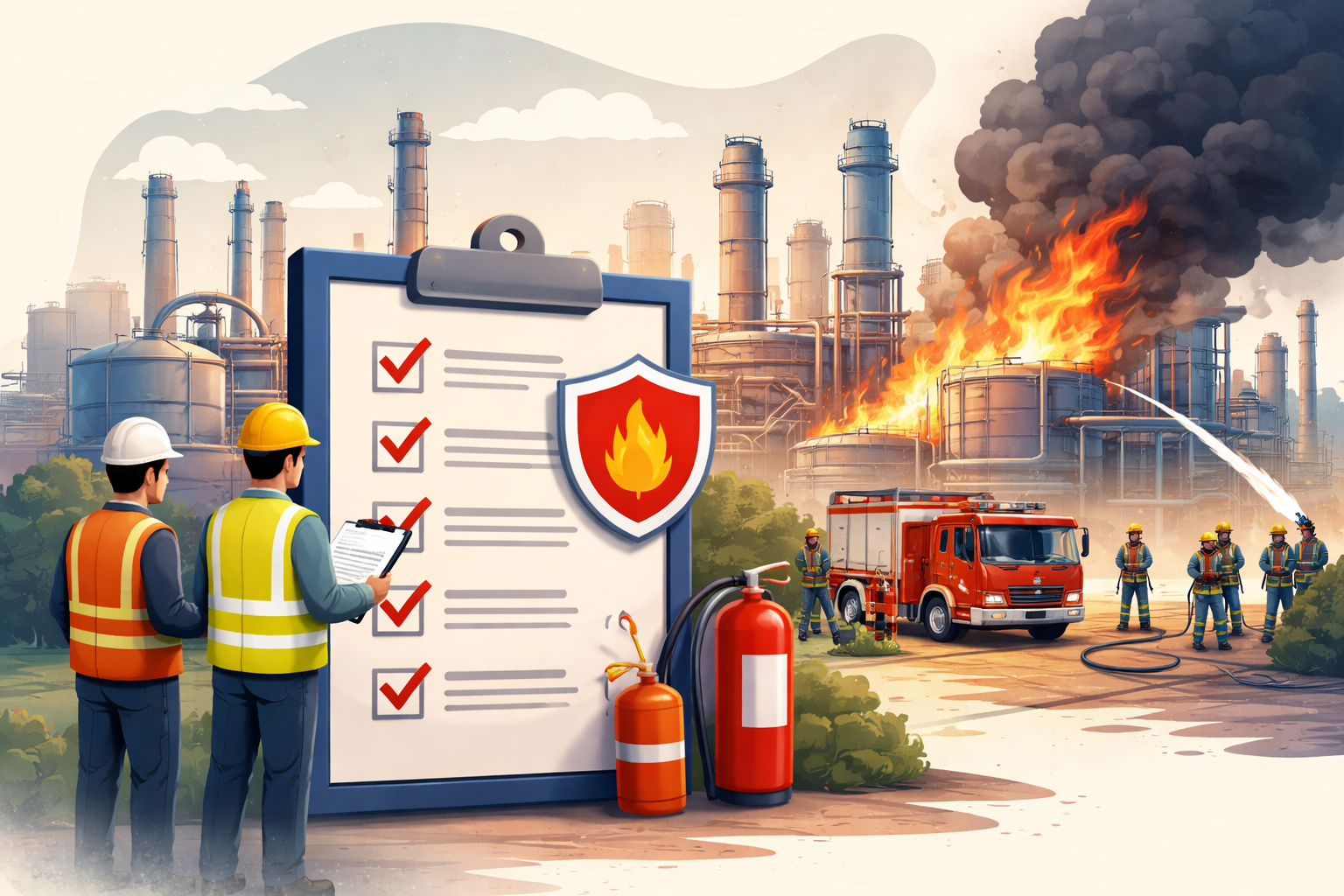
Industrial fires can cause severe damage to businesses and put employees at serious risk. Many industrial disasters occur because safety hazards are ignored or safety systems are not properly maintained. This is why a Fire Safety Compliance Audit plays a crucial role in industrial safety management. A Fire Safety Compliance Audit helps organizations identify hidden fire hazards and evaluate whether their safety systems meet regulatory standards. By conducting a Fire Safety Compliance Audit, industries can detect risks early and implement preventive measures before a minor issue becomes a major disaster.
Modern industries operate with complex machinery, electrical systems, and flammable materials. Without regular safety checks, these environments can quickly become high-risk zones.
What is a Fire Safety Compliance Audit?
A fire safety audit is a systematic evaluation of an organization’s fire protection systems, emergency preparedness, and overall safety practices. It helps industries ensure that their facilities follow proper fire safety standards and regulations.
During an audit, experts inspect fire detection systems, firefighting equipment, evacuation plans, and electrical installations. They also check whether employees are trained to respond to fire emergencies.
Industries that conduct regular audits maintain stronger Industrial Fire Safety Compliance, which helps them reduce risks and operate safely.
Common Causes of Industrial Fires
Many industrial fires occur due to preventable safety failures. These incidents often happen because of poor maintenance, human error, or ignored warning signs.
Some common causes include:
-Electrical short circuits
-Overloaded power systems
-Improper storage of flammable materials
-Lack of employee safety training
-Blocked emergency exits
Regular safety reviews help organizations detect these risks early and avoid serious incidents.
Key Areas Checked During Fire Safety Audit for Factories
A professional Fire Safety Audit for Factories evaluates several important safety components within the facility.
-Fire Detection Systems
Smoke detectors, heat detectors, and alarm systems must function properly to provide early warnings. Auditors check whether these systems are correctly installed and regularly tested.
-Fire Protection Equipment
Fire extinguishers, hydrants, and sprinkler systems are inspected to ensure they are accessible and fully operational. Proper maintenance records are also verified.
-Emergency Evacuation Plans
Every industrial facility must have a clear evacuation strategy. Auditors review exit routes, signage, assembly points, and evacuation drills to ensure employees can safely exit during emergencies.
-Electrical Safety
Electrical faults are one of the most common fire hazards in industries. Auditors inspect wiring systems, electrical panels, and equipment maintenance to reduce the risk of short circuits.
Importance of Fire Safety Regulations
Governments enforce strict Fire Safety Regulations for Industries to prevent catastrophic incidents. These regulations require industries to install fire protection systems, conduct regular safety checks, and train employees in emergency procedures.
Compliance with these regulations ensures safer workplaces and helps organizations avoid penalties or legal issues.
Role of Industrial Fire Risk Assessment
An important part of any safety audit is Industrial Fie Risk Assessment. This process identifies potential fire hazards within the workplace and evaluates how likely they are to cause damage.
Risk assessments help organizations prioritize improvements. For example, outdated electrical systems or improper chemical storage may require immediate corrective action.
By addressing these risks early, industries can significantly reduce the chances of fire emergencies.
Workplace Fire Safety Inspection for Continuous Safety
Routine Workplace Fire Safety Inspection helps maintain safety standards even after an audit is completed. These inspections ensure that fire protection equipment remains functional and safety procedures continue to be followed. Regular inspections also help employees stay aware of fire prevention practices and emergency response procedures.
How Fire Safety Audits Prevent Industrial Disasters
Fire safety audits play a vital role in preventing large-scale industrial disasters. They help organizations identify risks before they escalate into emergencies.
Some key benefits include:
-
Early detection of fire hazards
-
Improved emergency preparedness
-
Proper maintenance of fire protection systems
-
Compliance with safety regulations
-
Protection of employees and infrastructure
Industries that prioritize safety audits create a safer working environment and reduce the likelihood of costly accidents.
Conclusion
Major industrial fires rarely occur without warning. In most cases, small safety issues exist long before the disaster happens. A well-planned Fire Safety Compliance Audit helps industries identify these hidden dangers and correct them before they lead to serious consequences.
Instead of reacting after an accident, organizations must focus on prevention through regular audits and safety evaluations. When industries prioritize fire safety compliance, they protect not only their infrastructure and operations but also the lives of their employees. In today’s high-risk industrial environments, proactive fire safety audits are the key to preventing tomorrow’s disasters.