
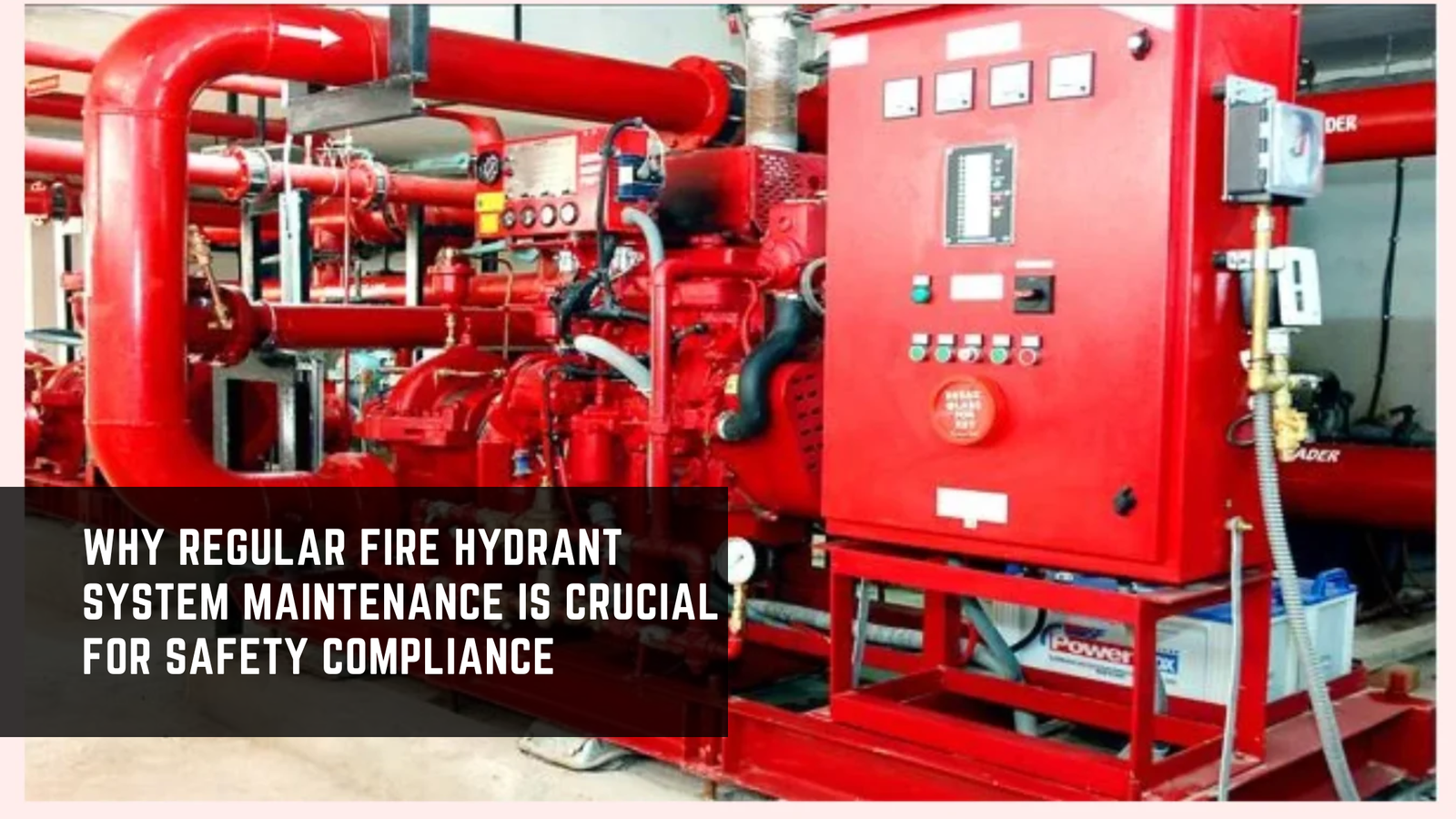
Why Regular Fire Hydrant System Maintenance is Crucial
When it comes to protecting lives and property, Fire hydrant system maintenance plays a crucial role in ensuring that emergency response systems work flawlessly during a fire outbreak. Without proper Fire hydrant system maintenance, even the most advanced fire safety setup can fail at a critical moment. Regular Fire hydrant system maintenance not only keeps your building ready for emergencies but also ensures compliance with essential safety regulations. In addition, routine hydrant system inspection, fire protection maintenance, annual fire safety audit, and fire hydrant testing and servicing form the backbone of effective fire safety compliance — helping organizations stay both safe and legally compliant.
The Importance of Hydrant Systems in Fire Safety
A fire hydrant system is often the first line of defense during a fire emergency. It provides firefighters with immediate access to water, allowing them to tackle flames before they spread. However, these systems are only reliable if they are regularly maintained. Corrosion, leakages, and pressure irregularities can develop over time, rendering hydrants ineffective when they are needed most.
That’s why timely Fire hydrant system maintenance ensures every component—from pipes and valves to pressure gauges and pumps—remains in working condition, minimizing fire risks and ensuring readiness in any emergency.
Legal and Safety Compliance: A Non-Negotiable Factor
In India, fire safety regulations under the National Building Code (NBC) and local fire authorities mandate routine checks and certifications for hydrant systems. Failing to meet these requirements can result in penalties, closure notices, or even liability in case of a fire.
Organizations that prioritize Fire hydrant system maintenance not only protect their employees and assets but also demonstrate their commitment to fire safety compliance. A well-maintained system also makes it easier to pass annual audits and obtain safety certifications without last-minute hassles.
Steps to Ensure Proper Fire Hydrant System Maintenance
To maintain a reliable system, it’s essential to follow a structured maintenance plan:
-
Monthly Inspections: Check water pressure, valve operation, and overall system integrity.
-
Quarterly Servicing: Flush out debris, clean filters, and ensure hydrants are free from rust or blockages.
-
Annual Testing: Conduct a comprehensive flow test and pressure check to verify system performance.
-
Professional Servicing: Hire certified fire safety professionals for hydrant system inspection and fire hydrant testing and servicing to ensure compliance with all standards.
Routine fire protection maintenance not only ensures operational efficiency but also extends the life of your system and reduces long-term costs.
The Cost of Neglecting Fire Hydrant System Maintenance
Neglecting maintenance can have devastating consequences. A malfunctioning hydrant during an emergency can lead to uncontrolled fire spread, property loss, and even fatalities. Moreover, companies can face legal action and reputational damage for failing to maintain safety systems.
A small investment in regular servicing can prevent massive losses and ensure your facility remains prepared for any fire-related emergency.
Conclusion: Stay Safe, Stay Compliant
In the world of fire safety, prevention is always better than reaction. Regular Fire hydrant system maintenance is not just a legal obligation—it’s a moral responsibility to safeguard lives, assets, and your organization’s reputation. By scheduling timely inspections, audits, and servicing, you ensure your fire safety infrastructure stands strong when it matters the most.When it comes to fire protection, compliance begins with maintenance—and maintenance begins today.