
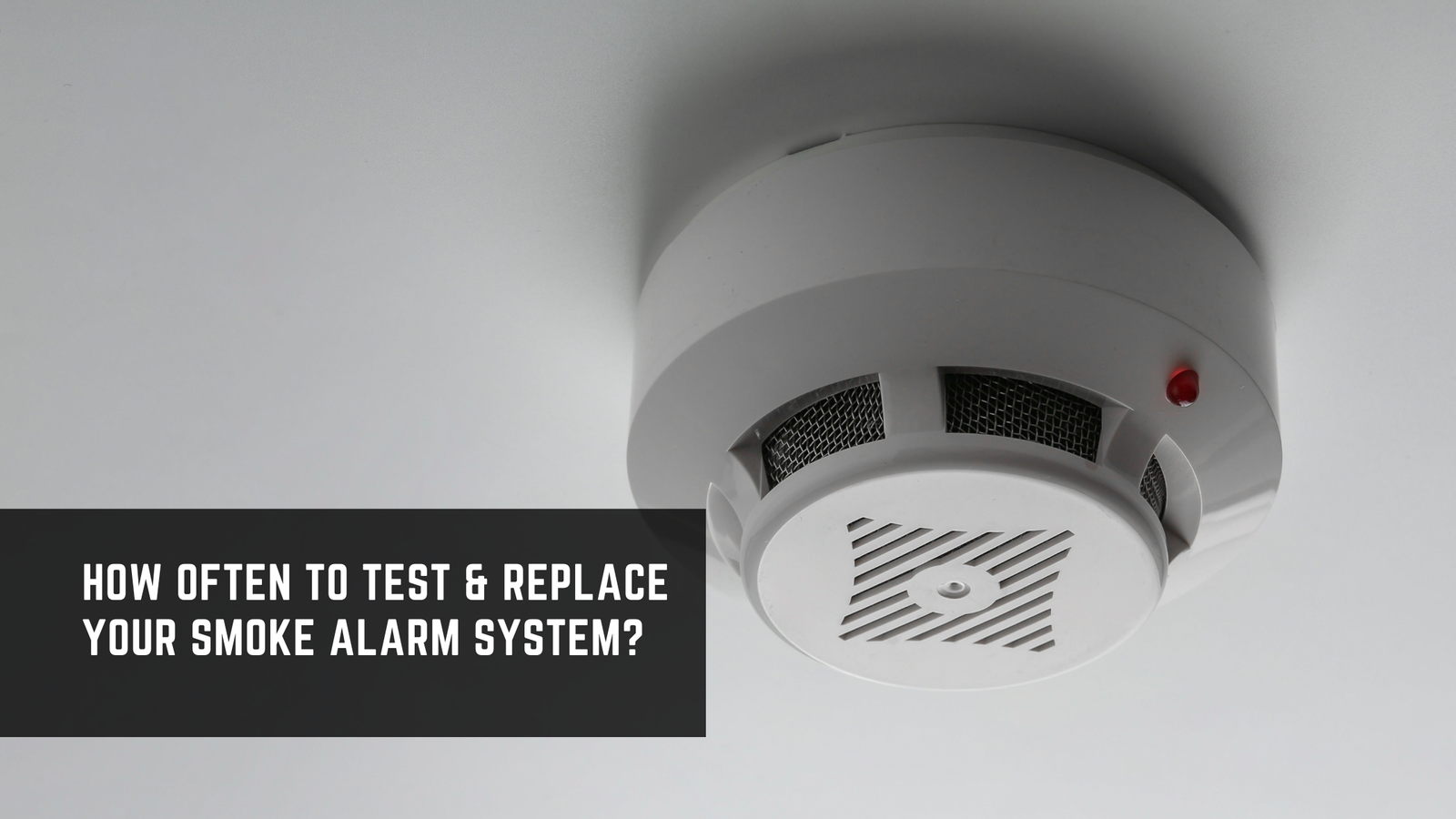
How Often Should You Test and Replace Smoke Alarm System?
When was the last time you checked your smoke alarm system? Most people forget it even exists—until it’s too late. A smoke alarm system isn’t just another device on your ceiling; it’s your silent guardian, your first line of defense when a fire breaks out. Whether it’s at home, in an office, or in an apartment, a properly functioning smoke alarm system can mean the difference between a close call and a tragedy. Unfortunately, many homeowners overlook routine testing and replacement, putting lives and property at unnecessary risk.
Why Testing Your Smoke Alarms Matters
The importance of smoke alarms cannot be overstated—they’re designed to detect danger before you even see smoke. According to fire safety experts, a working alarm can cut the risk of death in a house fire by more than half.
But the question is—how often should you test smoke alarms?
Experts recommend testing your smoke alarms at least once every month. Testing ensures the sensors, sounders, and power sources are all functioning correctly. Over time, dust, insects, or weak batteries can interfere with performance, making smoke detector maintenance crucial for your safety.
How to Test Smoke Alarm: A Step-by-Step Guide
Learning how to test smoke alarm devices is simple and takes less than five minutes. Here’s how to do it properly:
-
Press and hold the test button on your alarm until you hear a loud siren.
-
If the sound is weak or doesn’t activate, replace the batteries immediately.
-
For interconnected systems, ensure all alarms in the network sound simultaneously.
-
Use smoke simulation spray (available in safety stores) once or twice a year to test the sensors’ responsiveness.
Testing regularly gives you peace of mind, knowing that your fire safety equipment for home is reliable and ready to alert you in an emergency.
When to Replace Smoke Alarm Systems
Even the best alarms have a lifespan. Most devices are designed to work effectively for 8 to 10 years, after which their sensors start losing sensitivity. If you’re wondering when to replace smoke alarm, check the manufacturer’s date printed on the back of the device. If it’s over a decade old—replace it immediately.
Additionally, replace batteries once every 6 months, or sooner if your alarm gives out short beeps, which indicate a low battery. For lithium-powered smoke alarms, replacement might only be needed every 10 years, but regular checks are still essential.
Maintenance Tips to Keep Your Smoke Alarms Effective
Routine smoke detector maintenance ensures your alarms are always in working condition. Follow these easy tips to extend their life and efficiency:
-
Clean your alarms with a vacuum brush or soft cloth every 3 months to remove dust.
-
Keep them away from vents and fans, which can affect smoke detection.
-
Install alarms in key areas — bedrooms, hallways, kitchens, and near staircases.
-
Test monthly and replace batteries during daylight saving time changes (a great reminder).
Good maintenance ensures your fire safety equipment for home performs exactly when it’s needed most.
Why You Should Never Ignore a Beeping Alarm
That occasional “chirp” sound isn’t just annoying—it’s a warning. It might mean your battery is dying, or the system is reaching its end of life. Ignoring these signals could lead to disaster. Remember, the importance of smoke alarms lies in their ability to save lives—not just detect smoke. A few minutes spent maintaining them can prevent hours of heartbreak later.
Conclusion: A Small Habit That Saves Lives
In a world full of smart gadgets, none are as vital as your smoke alarm system. Regular testing, timely replacement, and proper maintenance form the foundation of any solid home safety plan. Take a few minutes every month to ensure your alarms are working—it’s a simple habit that could one day save your family, your property, and your peace of mind.
Make safety your priority. Check your smoke alarms today!