Kitchen Fire Suppression System: How It Works & Why It Matters
A kitchen fire suppression system is one of the most critical safety solutions for modern kitchens where open flames, hot oil, and electrical equipment operate together. A kitchen fire suppression system reacts faster than human response, controlling fires at their source before they spread. In high-risk cooking environments, a kitchen fire suppression system is not optional—it is a life-saving necessity.
From small cafés to large food courts, kitchen fires remain one of the leading causes of property loss and business shutdowns. Understanding how these systems work and why they matter can help prevent disasters before they begin.
Why Kitchen Fires Are So Dangerous
Kitchen fires escalate rapidly. Oil ignites faster than solid fuel, and water can make the situation worse. Once flames reach the exhaust hood or duct, fire can spread through the building in minutes.
This risk is even higher in a commercial kitchen fire suppression system environment, where continuous cooking, high temperatures, and heavy grease buildup are common. Without dedicated protection, a small flame can turn into a full-scale emergency.
How These Systems Work
Understanding how kitchen fire suppression systems work helps operators appreciate their importance. These systems are designed to detect, suppress, and contain fires automatically.
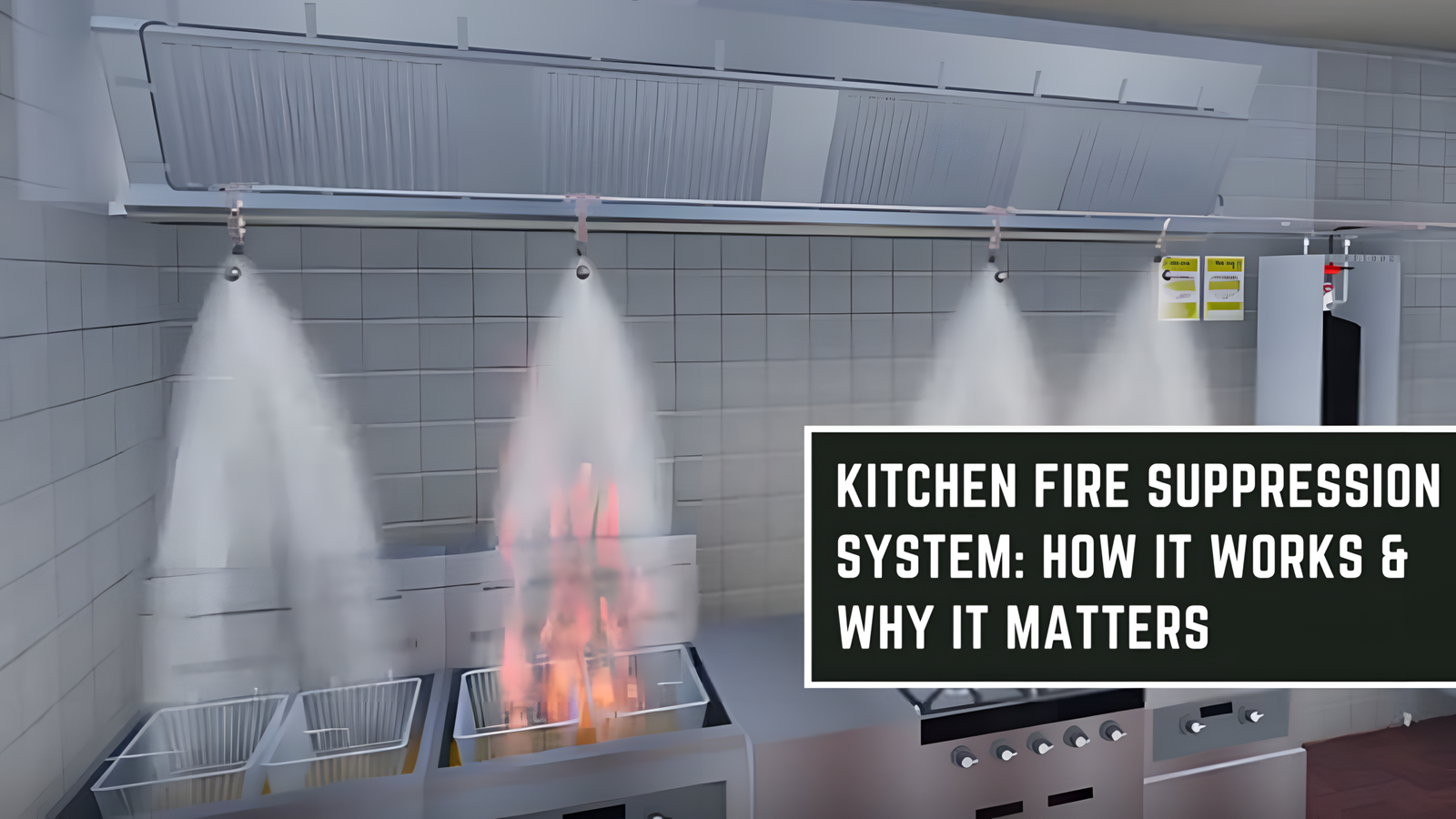
An automatic kitchen fire suppression system activates when heat sensors detect abnormal temperature rise. Once triggered, the system releases a wet chemical agent directly over the fire source.
This agent performs three actions at once:
-
Cools the flames
-
Smothers oxygen
-
Prevents re-ignition by sealing hot surfaces
Power and gas supplies are shut off automatically, stopping fuel from feeding the fire.
Built to Fight Grease Fires
Most kitchen fires involve cooking oils and fats. A grease fire suppression system is specifically designed to handle these hazards without spreading flames.Unlike water-based methods, wet chemical agents react with hot grease to form a foam-like barrier. This stops flames instantly and prevents flare-ups, which are common in oil fires.
Protection Where It Matters Most
The heart of fire risk lies above cooking equipment. A kitchen hood fire suppression system is installed inside hoods, ducts, and plenum areas where grease vapours accumulate.Strategically placed nozzles ensure full coverage of fryers, grills, ranges, and exhaust systems. This targeted design ensures fire is controlled before it reaches concealed spaces.
Why This System Matters for Businesses
Installing the right fire protection is not just about compliance—it’s about continuity.
A properly installed kitchen fire suppression system helps:
-
Protect lives and staff
-
Reduce downtime after incidents
-
Prevent costly property damage
-
Support insurance and regulatory compliance
Many fire safety regulations mandate these systems for commercial kitchens, making them both a legal and operational necessity.
Maintenance Is Just as Important
Even the best system needs regular inspection. Grease buildup, blocked nozzles, or damaged sensors can reduce effectiveness.
Routine servicing ensures the kitchen fire suppression system activates instantly when needed. Scheduled maintenance also helps meet local fire authority requirements and avoids penalties.
Conclusion
Kitchen fires strike without warning, but their impact doesn’t have to be devastating. A reliable suppression system acts as a silent guardian, ready to respond within seconds.
By understanding its function and importance, businesses can make informed decisions that protect people, property, and operations. When safety is built into the kitchen, confidence follows—every single day.