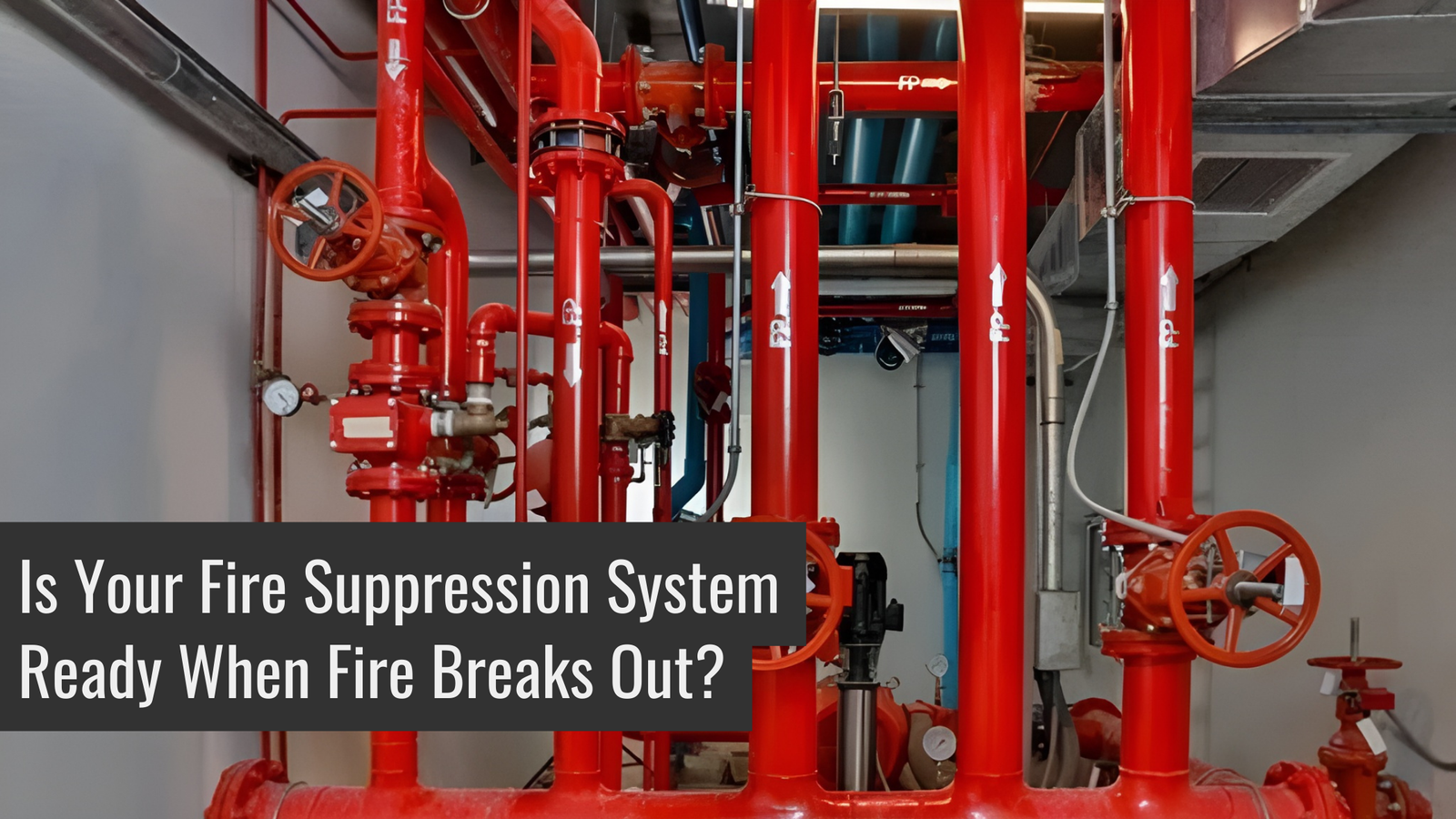
Is Your Fire Suppression System Ready When Fire Breaks Out?
Fire emergencies don’t come with warnings. When flames spread within seconds, the only thing standing between safety and disaster is a reliable fire suppression system. Yet many buildings assume their systems will work—without ever checking. Fire suppression system servicing is the backbone of fire preparedness, and without it, even the most advanced setup can fail. Fire suppression system servicing ensures your system responds instantly, effectively, and without hesitation. Simply installing equipment is not enough; fire suppression system servicing determines whether your protection is real or just an illusion.
In today’s fast-paced commercial and residential environments, preparedness is not optional. A system that fails during a fire is worse than having none at all.
Why Fire Suppression Systems Are Critical
The importance of fire suppression systems goes far beyond compliance. These systems are designed to control or extinguish fires before they escalate, reducing damage, injuries, and downtime.
Unlike portable extinguishers, suppression systems work automatically. They respond even when people are not present or panic sets in. This immediate response is what saves lives, protects assets, and prevents small incidents from becoming catastrophic losses.
The Hidden Risk of Poor Maintenance
Many property owners overlook fire suppression system maintenance, assuming systems will function forever once installed. In reality, components wear out, pressure drops, and sensors can malfunction over time.
Dust buildup, corrosion, blocked nozzles, or expired agents can silently compromise performance. Without regular upkeep, a system may activate too late—or not at all. Maintenance is not a cost; it is insurance against failure.
Are Commercial Properties Truly Prepared?
Large facilities face higher risks due to complex layouts, heavy electrical loads, and flammable materials. Commercial fire suppression systems are specifically designed to protect offices, hotels, kitchens, data centers, and industrial spaces.
However, complexity also means vulnerability. If even one section fails, the entire system’s effectiveness is reduced. Businesses that rely on uninterrupted operations must ensure their systems are always operational, tested, and ready to respond instantly.
Inspection: The Safety Check You Can’t Skip
A routine fire suppression system inspection identifies issues before they turn into emergencies. Inspections verify pressure levels, control panels, discharge mechanisms, and coverage areas.
More importantly, inspections confirm that systems meet current safety standards. Regulations evolve, and outdated systems may no longer provide adequate protection. Scheduled inspections help close these gaps and restore full operational readiness.
When Was Your System Last Serviced?
Even the best systems require professional attention. Fire suppression system servicing ensures worn components are replaced, detection elements are calibrated, and discharge mechanisms operate smoothly. It also confirms compatibility with your building’s layout and risk profile.
Skipping service intervals can result in delayed activation, incomplete coverage, or system failure during real emergencies. Fire suppression system servicing is not a one-time task—it is an ongoing commitment to safety.
Fire Readiness Is a Responsibility, Not a Choice
True fire safety system readiness means being prepared at all times—not just during audits or inspections. Fires can break out due to electrical faults, equipment failure, or human error. Readiness ensures that when something goes wrong, your system does exactly what it was designed to do.
Prepared buildings recover faster, protect lives, and avoid irreversible losses.
Final Thoughts: Don’t Test Your Luck With Fire
Fire doesn’t wait—and neither should you. A well-maintained suppression system can be the difference between a minor incident and a major tragedy. If you’re unsure about your system’s condition, now is the time to act. Safety isn’t proven during inspections; it’s proven when fire breaks out.
Is your fire suppression system ready—or are you hoping it will be?